
Standing Seam Metal Roofing in Flint, MI
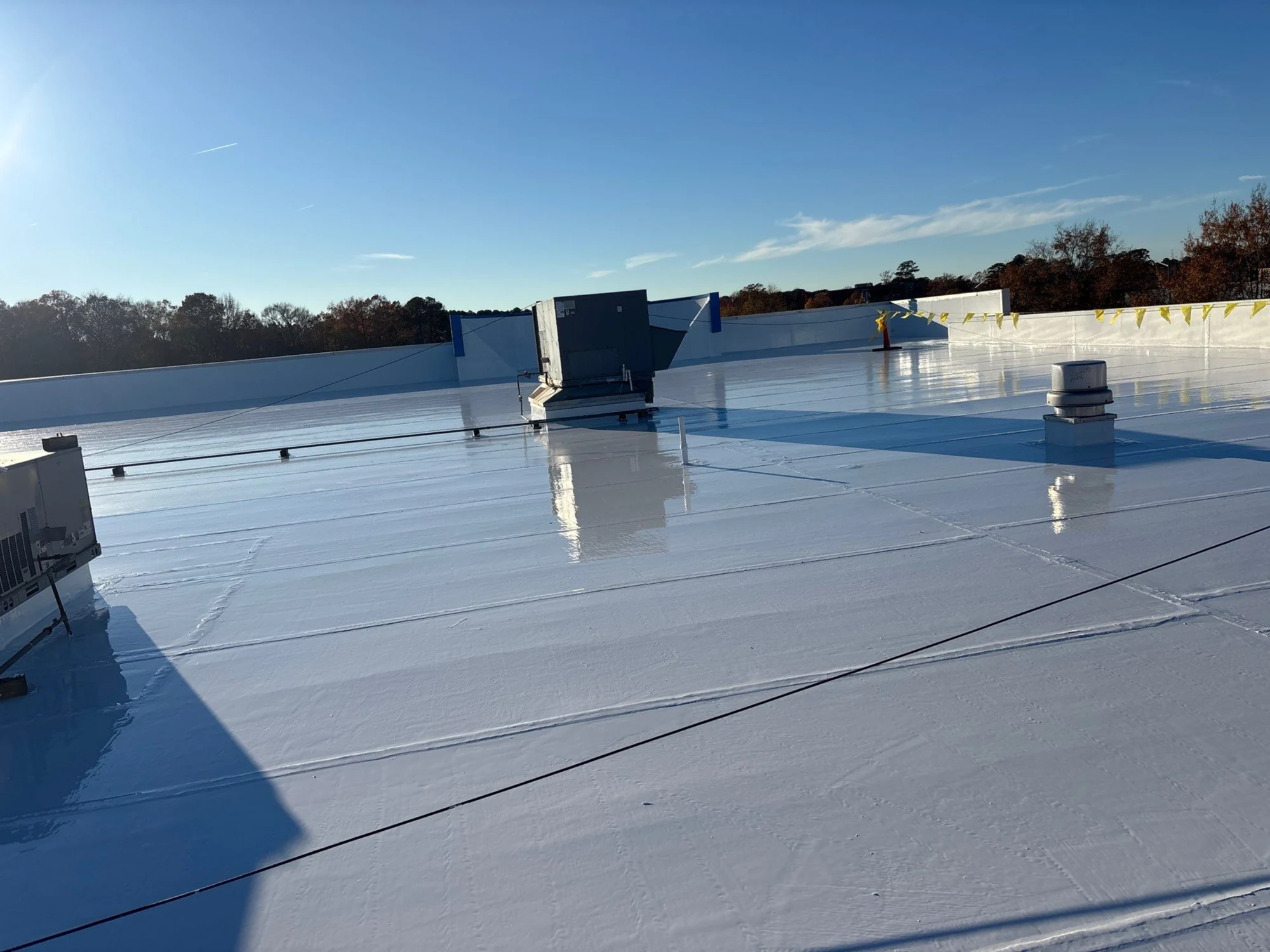
Standing Seam Metal for Sloped Roofs Across Genesee County
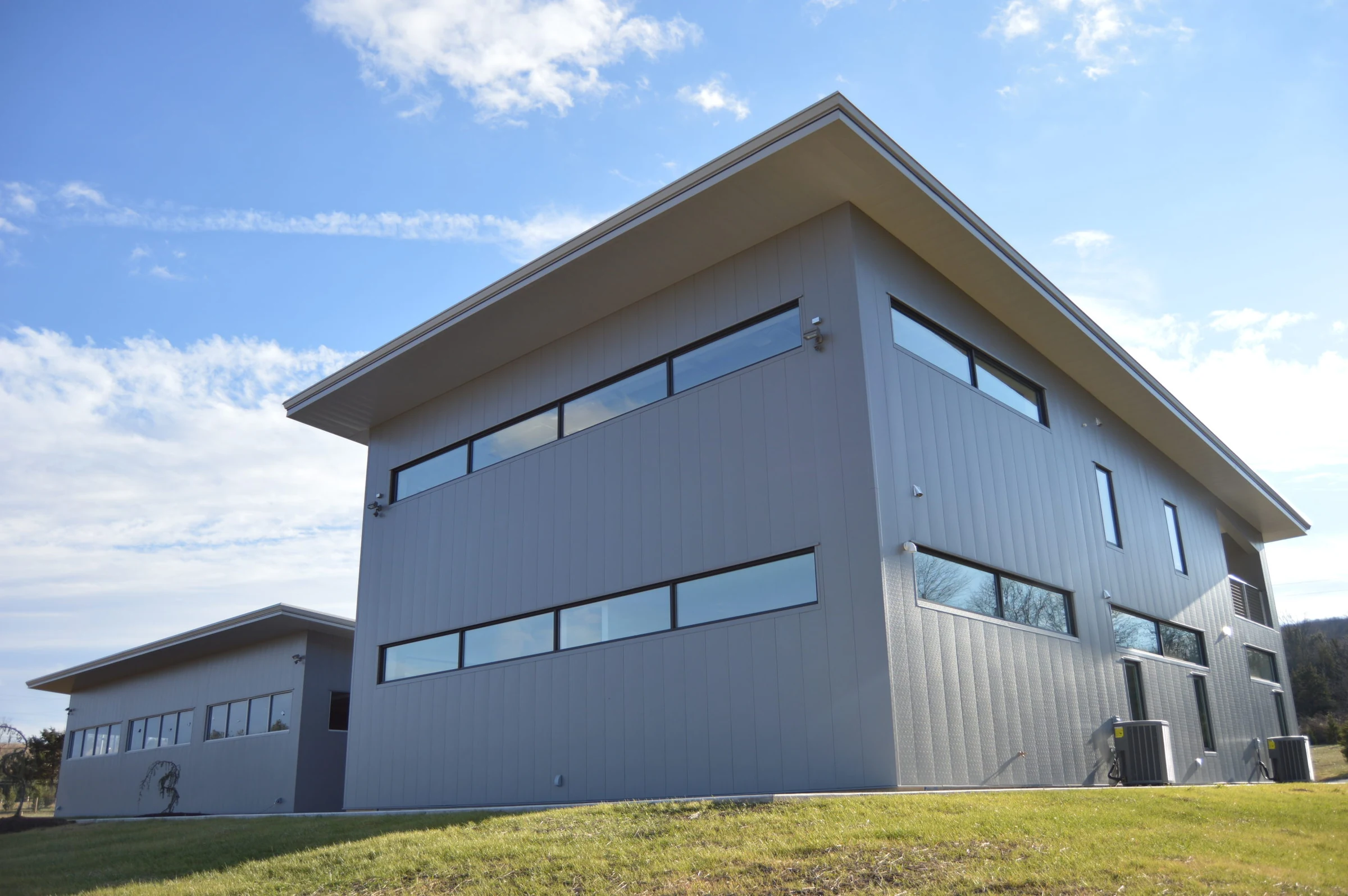
Standing seam comes up most on the sloped-roof side of our work — school buildings across Genesee County's townships, municipal buildings, and the entry canopies and sloped sections mixed into otherwise flat-roofed commercial buildings. Its concealed fastener design and clean snow-shedding performance make it a strong fit for a climate that puts real snow load on a roof for months at a time.
Snow Shedding Is the Whole Point Here
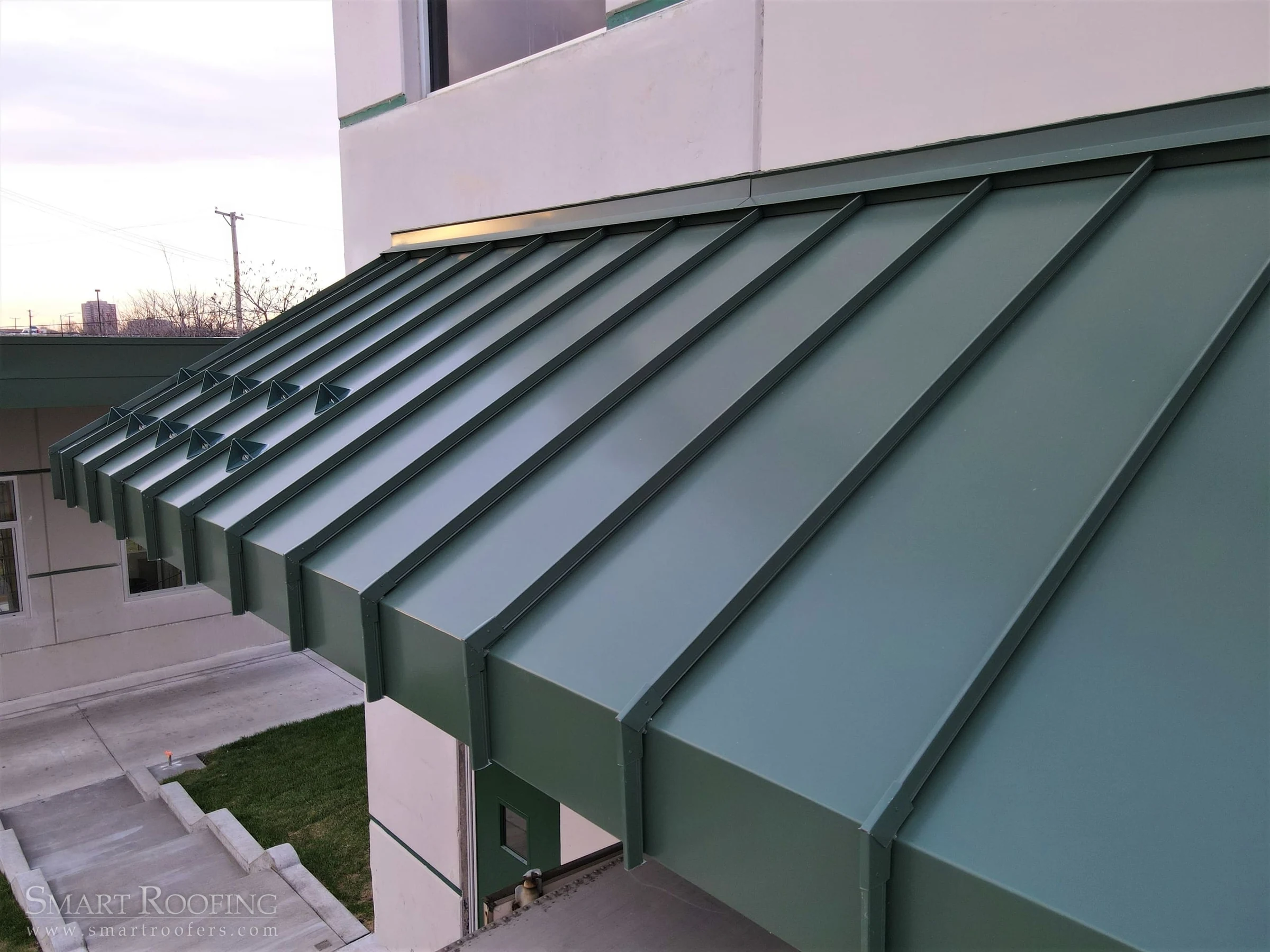
Genesee County gets enough wet, heavy snow most winters that how a roof handles accumulation matters as much as how it handles rain. Standing seam's raised, interlocking panel seams give snow and ice a smooth, low-friction surface to slide off rather than a fastener field for it to grip and pile against. That matters structurally — less sustained snow load on the roof deck — and it matters for water management, since snow that sheds cleanly doesn't sit and refreeze into ice at the eave the way it does on a roof where accumulation is uneven.
That same shedding behavior creates a real hazard at entries, walkways, and parking areas below a standing seam roof if snow guards aren't specified correctly. A sudden slide of several inches of wet snow off a metal roof onto a school entrance or a municipal building's front steps is a liability problem, beyond being a maintenance inconvenience. We spec snow retention systems based on roof pitch, panel type, and what's directly below the eave, not as an afterthought.
Oil Canning and Panel Flatness
Oil canning — the wavy, rippled appearance that shows up on flat panel sections under certain light — is mostly a cosmetic issue, but it's one owners notice and ask about, particularly on prominent buildings like school fronts or municipal facades. It's driven by panel gauge, substrate flatness, and installation tension more than by any single cause, and we manage it through panel selection and installation technique rather than promising a perfectly flat result on every gauge of metal, since some degree of oil canning is inherent to certain panel profiles regardless of installation quality.
Thermal Movement and Fastening at Concealed Clips
Standing seam's concealed clip fastening system allows panels to expand and contract with temperature swings without punching through the panel face, which is a real advantage over exposed-fastener metal roofing in a climate with the kind of daily and seasonal temperature range Genesee County sees. But that clip system has to be installed with the right spacing and float allowance for the specific panel length and thermal range, or the panels can bind and buckle over repeated freeze-thaw cycles instead of moving freely. We check clip spacing and panel attachment carefully on any installation, since this is one of the areas where installation quality matters more than material quality.
Ridge, Valley, and Penetration Detail
A standing seam field panel rarely leaks on its own. Almost every leak we trace on these roofs starts at a ridge cap, valley, or a penetration where a vent stack, HVAC curb, or satellite mount was added after the original installation. Ridge and valley details concentrate water flow from a large panel area into a narrow channel, and any gap in the closure strips or underlayment at that point becomes a leak path fast, especially once meltwater carrying grit and debris starts working through a small opening. We inspect these transition points closely on any standing seam roof, since they fail well before the panels themselves show any wear.
What We Inspect on an Existing Standing Seam Roof
- Seam integrity along panel joints, checking for separation or loosened clips
- Sealant condition at penetrations, ridge caps, and end laps
- Panel fastening at eaves and rakes, where wind uplift concentrates
- Snow guard condition and coverage relative to walkways below
- Coating condition and any coating failure allowing corrosion to start
- Signs of thermal movement stress at fixed attachment points
Metal Roofs on Institutional Buildings
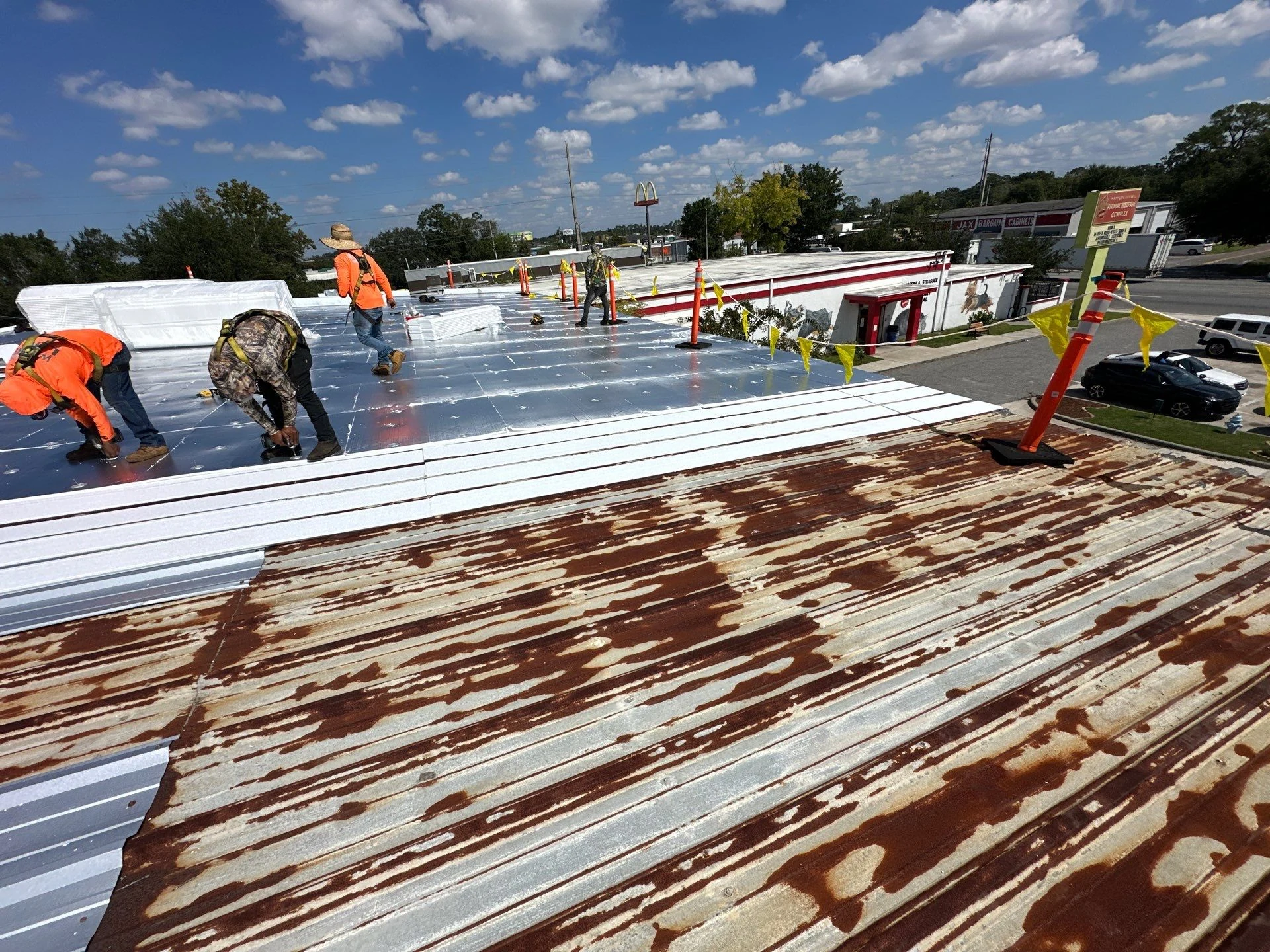
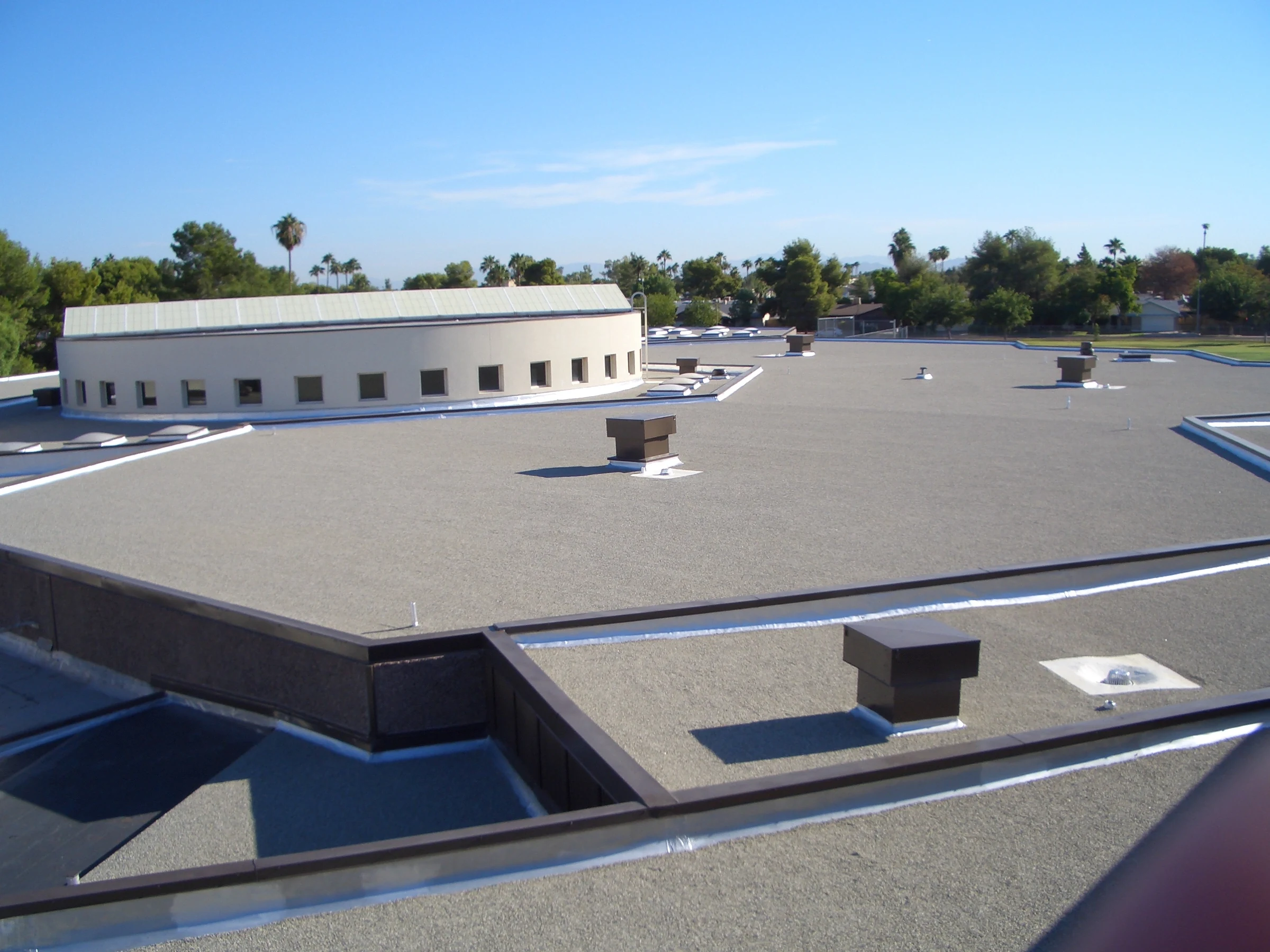
School districts and municipal facilities across the townships around Flint often specify standing seam for new construction and major renovations because of its long service life and low ongoing maintenance relative to membrane roofing, which matters on public budgets planning capital spend years in advance. We work within those procurement and budget cycles, providing the documentation and specification detail these projects typically require rather than a simplified quote meant for a private commercial building. For buildings with a mix of sloped metal sections and flat low-slope areas, we also handle the transition detailing between the two systems, which is often where leaks actually originate on mixed-roof buildings.
Standing Seam Metal Roofing Questions
Is standing seam worth the extra cost over exposed-fastener metal?
For most sloped commercial and institutional applications here, yes. The concealed fastener design avoids the fastener backout and sealant failure that limits exposed-fastener systems in a freeze-thaw climate, which translates to lower long-term maintenance cost.
Do I need snow guards on every standing seam roof?
Not every roof, but any standing seam section that sheds snow directly onto an entrance, walkway, parking area, or lower adjacent roof needs snow retention specified for the pitch and expected snow load.
Can standing seam be installed over an existing roof?
Sometimes, depending on the existing structure and deck condition. We evaluate the substrate before recommending a retrofit installation versus a full tear-off.
Why is my flat-panel roof showing wavy reflections?
That's typically oil canning, a cosmetic characteristic of certain panel profiles and gauges. It doesn't usually indicate a structural or performance problem, though panel selection can reduce its visibility on future installations.
How does standing seam handle Michigan's freeze-thaw cycling long term?
Well, when installed with correct clip spacing and thermal float allowance. The concealed fastener system is specifically designed to accommodate the expansion and contraction that freeze-thaw cycling causes.
Related
Ready to review the roof scope?
Let’s Talk About Your Commercial Roof
Share the building, roof history, known leaks or damage, access constraints, and schedule. We’ll start with the roof condition and the facility below it.