
Commercial Reroofing in Flint, MI
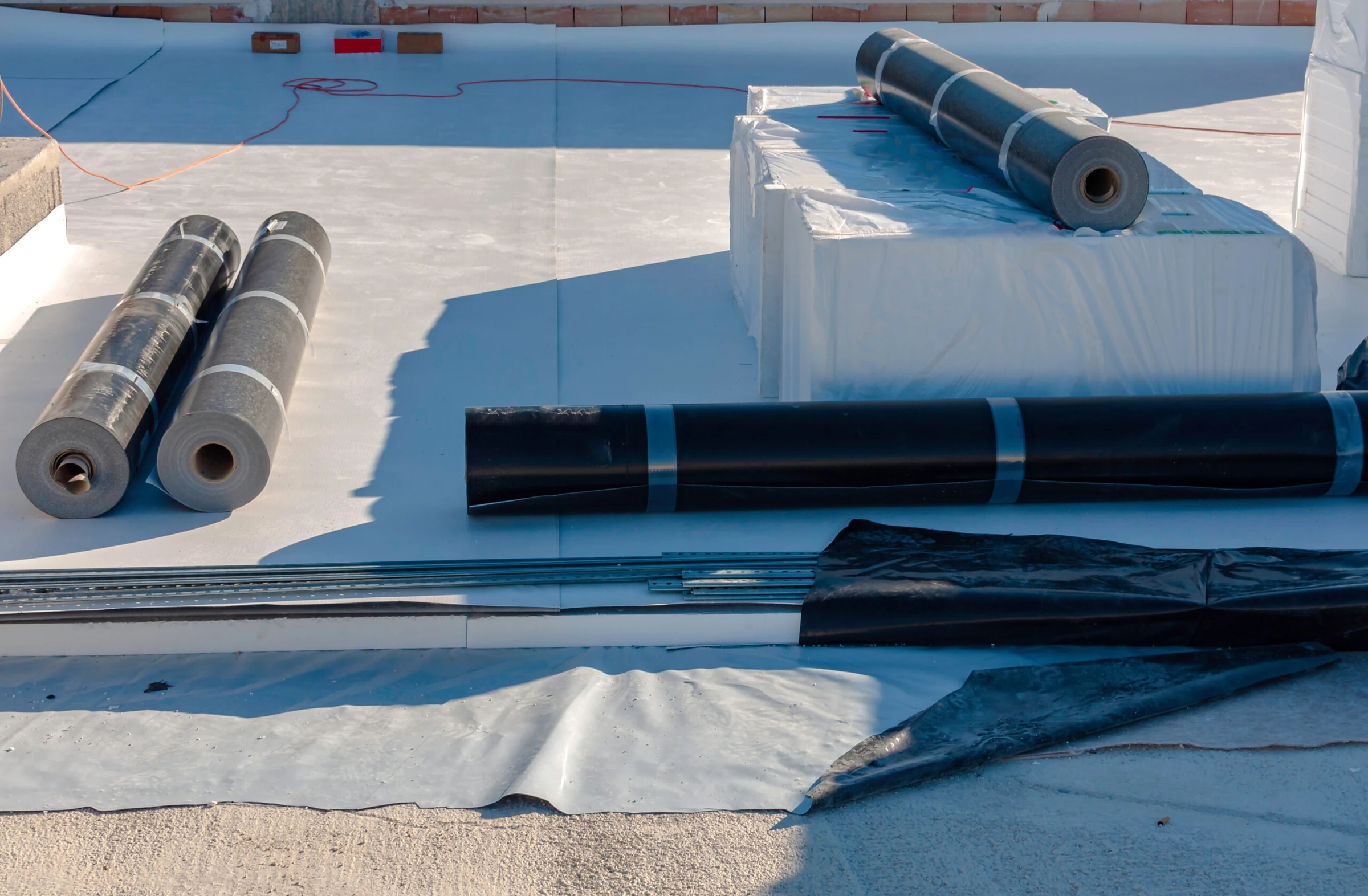
Full Reroofing Decisions for Flint-Area Commercial Buildings
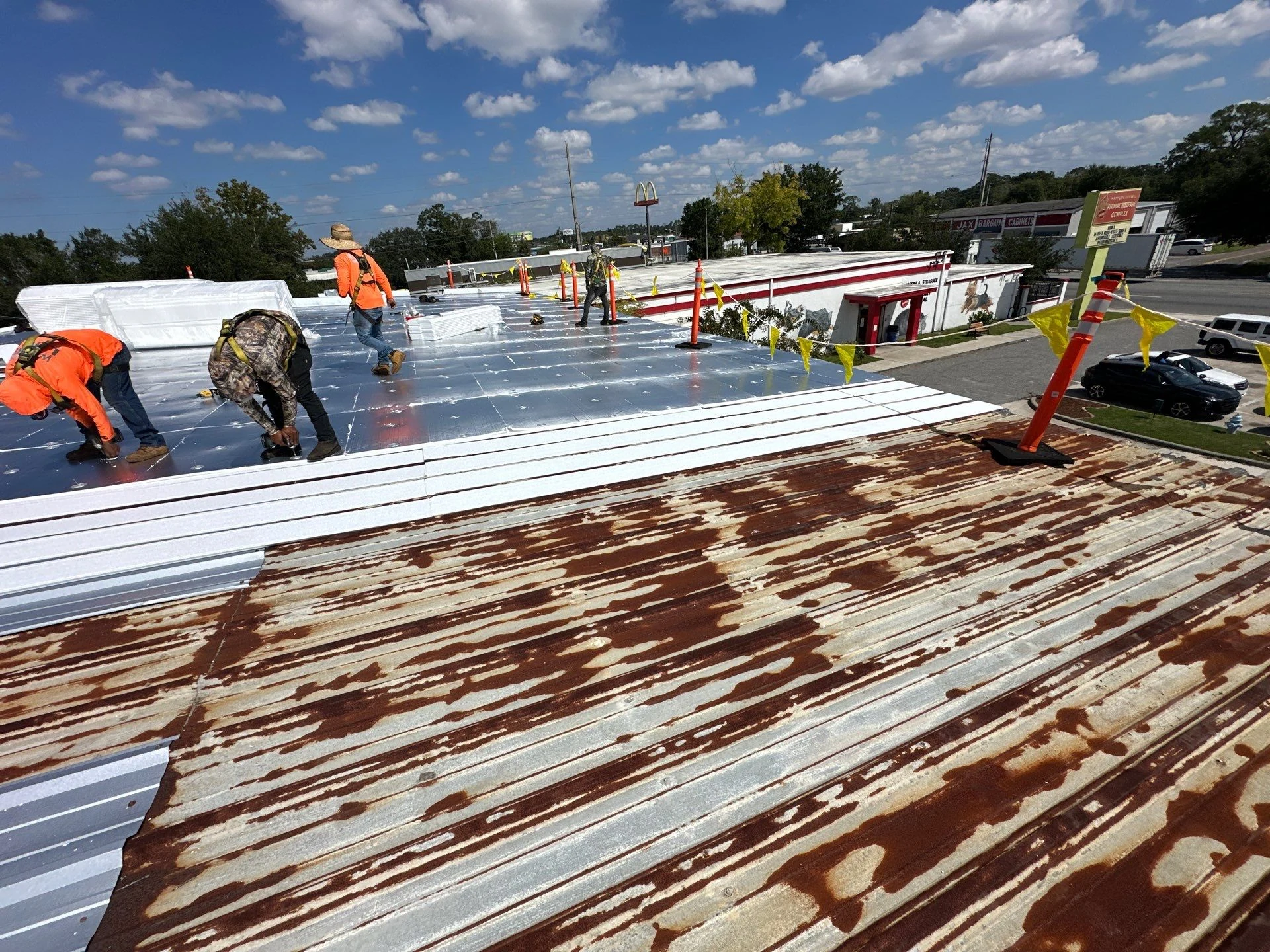
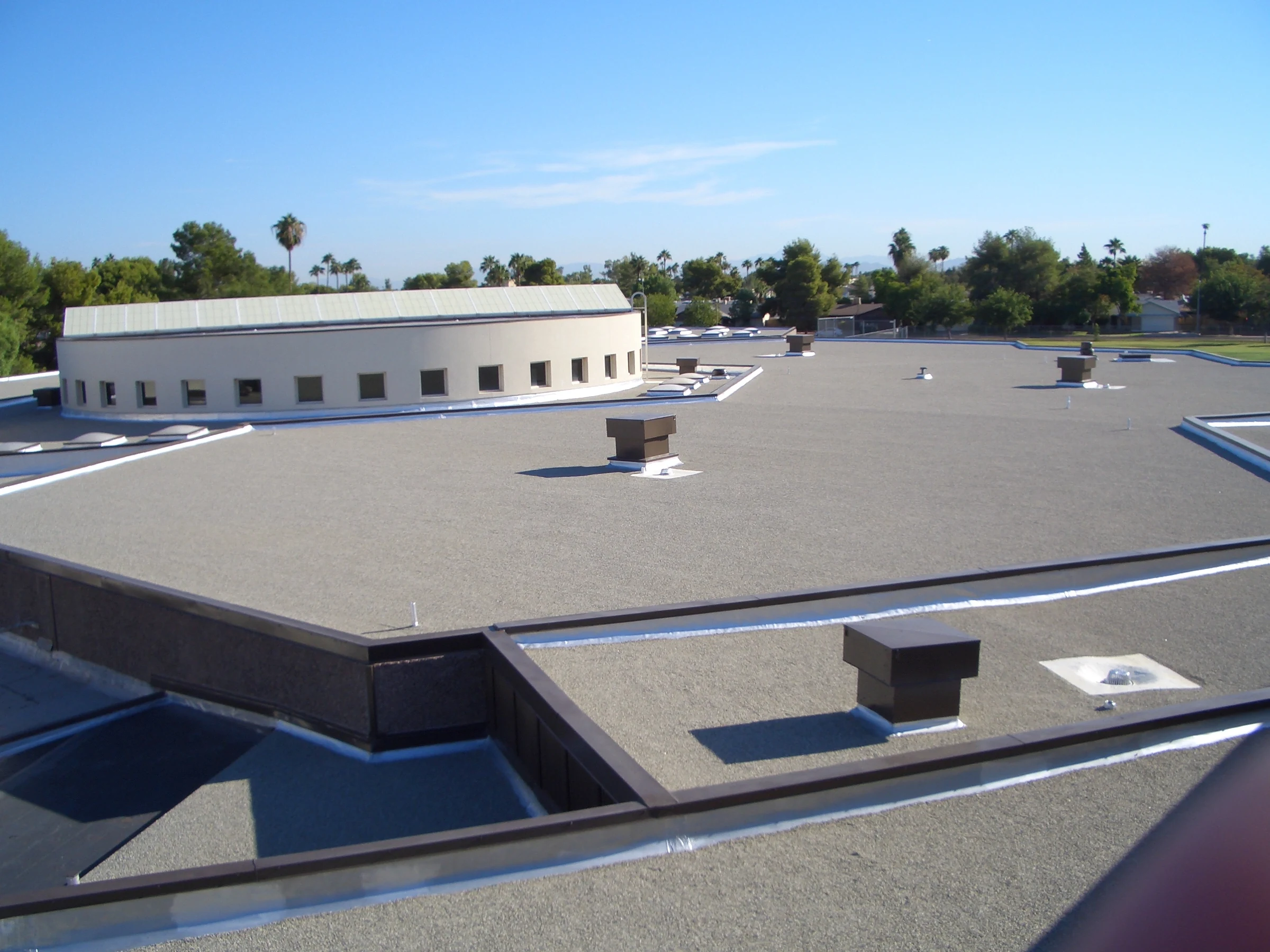
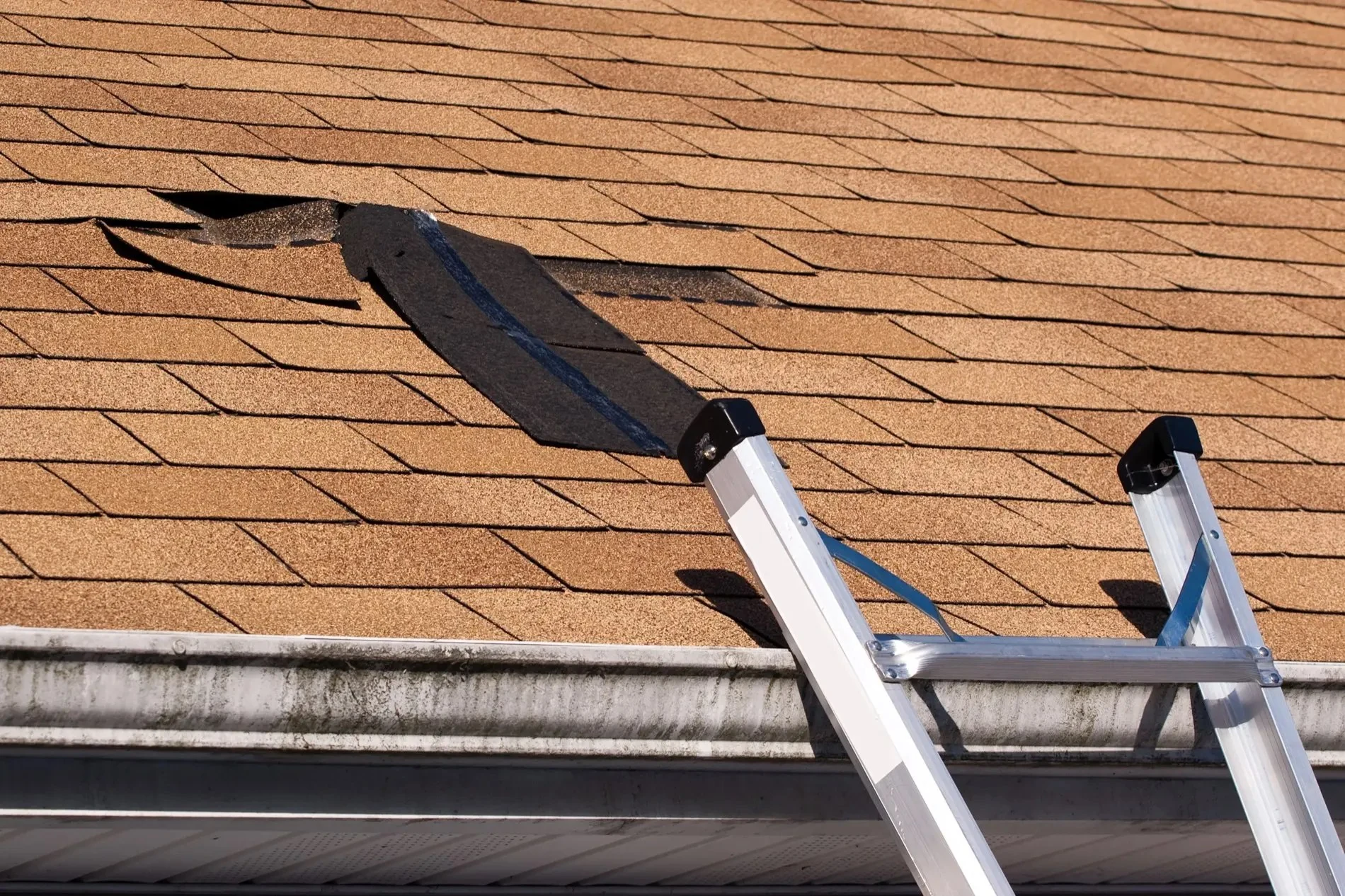
Flint's commercial roof stock is old, and a lot of it has already been patched, recovered, or coated once before it ever reaches us. Our job on a reroofing call is figuring out whether a building still has one more recover left in it or whether it's time to strip everything down to deck and start over.
Why Recover Options Run Out Faster Here
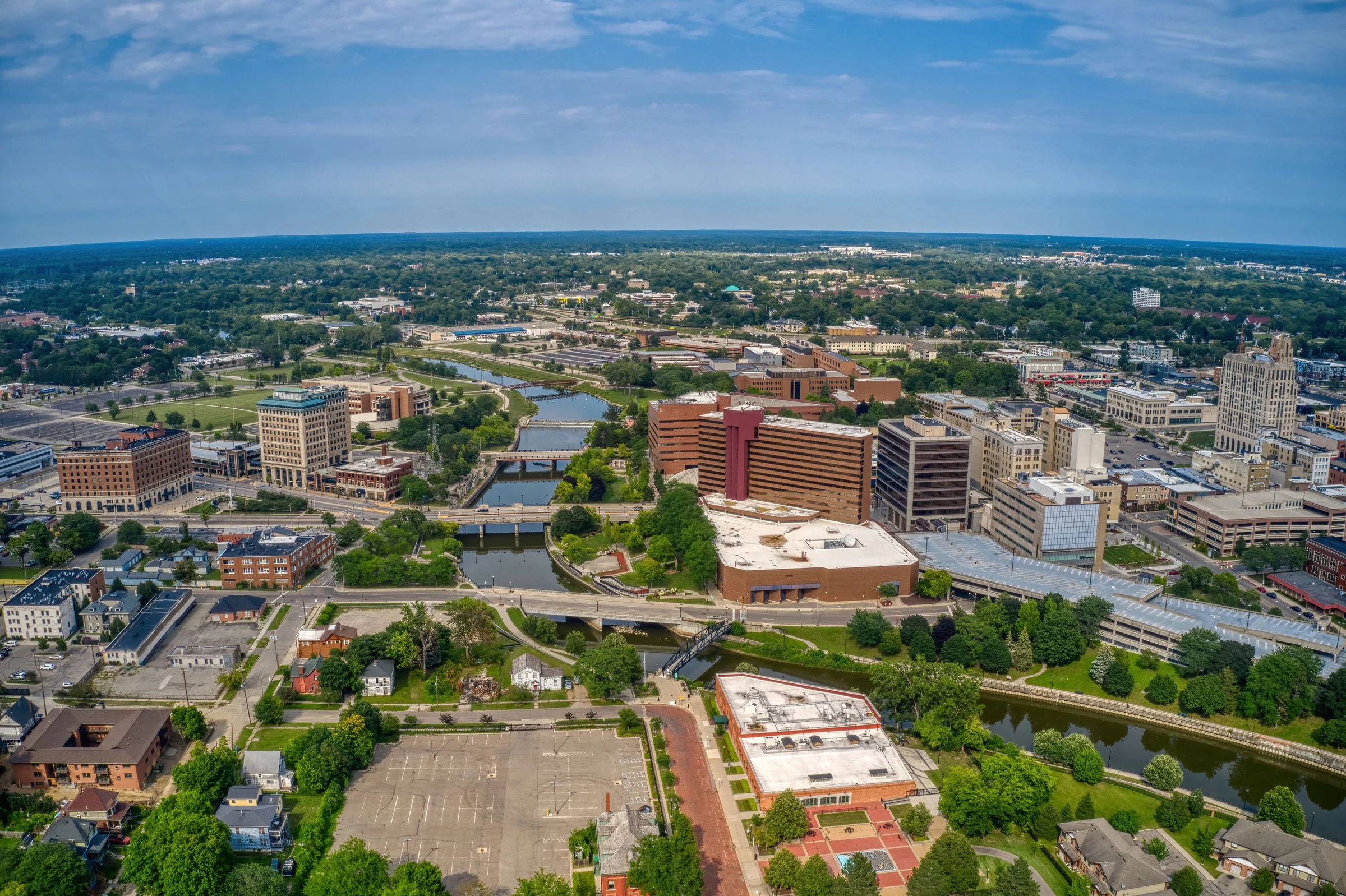
A large share of Genesee County's commercial buildings went up during the manufacturing build-out around Buick City, Flint Truck Assembly, and the old AC Delco plants, plus the retail and office stock that followed those jobs. Those roofs are now on their second or third membrane, and most codes only allow so many layers stacked on a deck before a tear-off is required regardless of condition.
Even when another layer is technically allowed, wet insulation is usually the real problem. Once moisture works into the insulation board under two or three roof systems, a new membrane on top just traps the water in place. The roof looks fine from above and keeps losing R-value and structural integrity underneath.
Roofs that started as built-up systems and were later recovered with a single-ply membrane in the 1990s or early 2000s are the ones we see hitting this ceiling most often right now. The original assembly plus a later recover layer puts a building close to the edge of what most manufacturers will warranty over, and that's before accounting for the actual condition of the oldest layer buried underneath everything else.
How We Scope a Roof Before We Recommend Tear-Off
We start with a core cut pattern across the whole field of the roof, problem areas and clean-looking sections alike, because wet insulation travels sideways under a membrane and doesn't always show up where the ceiling stain is. An infrared or nuclear moisture scan backs up what the cores tell us and maps how far the wet area actually extends.
Deck probing comes next on older buildings, especially steel deck sections near roof drains and parapet walls where corrosion tends to start first. If the deck itself has failed, a recover isn't on the table no matter how the membrane looks.
Systems We Actually Install on Genesee County Roofs
Which system we spec depends on the building's use, deck type, and how much rooftop traffic it sees, not on a single default. On most jobs we're choosing between:
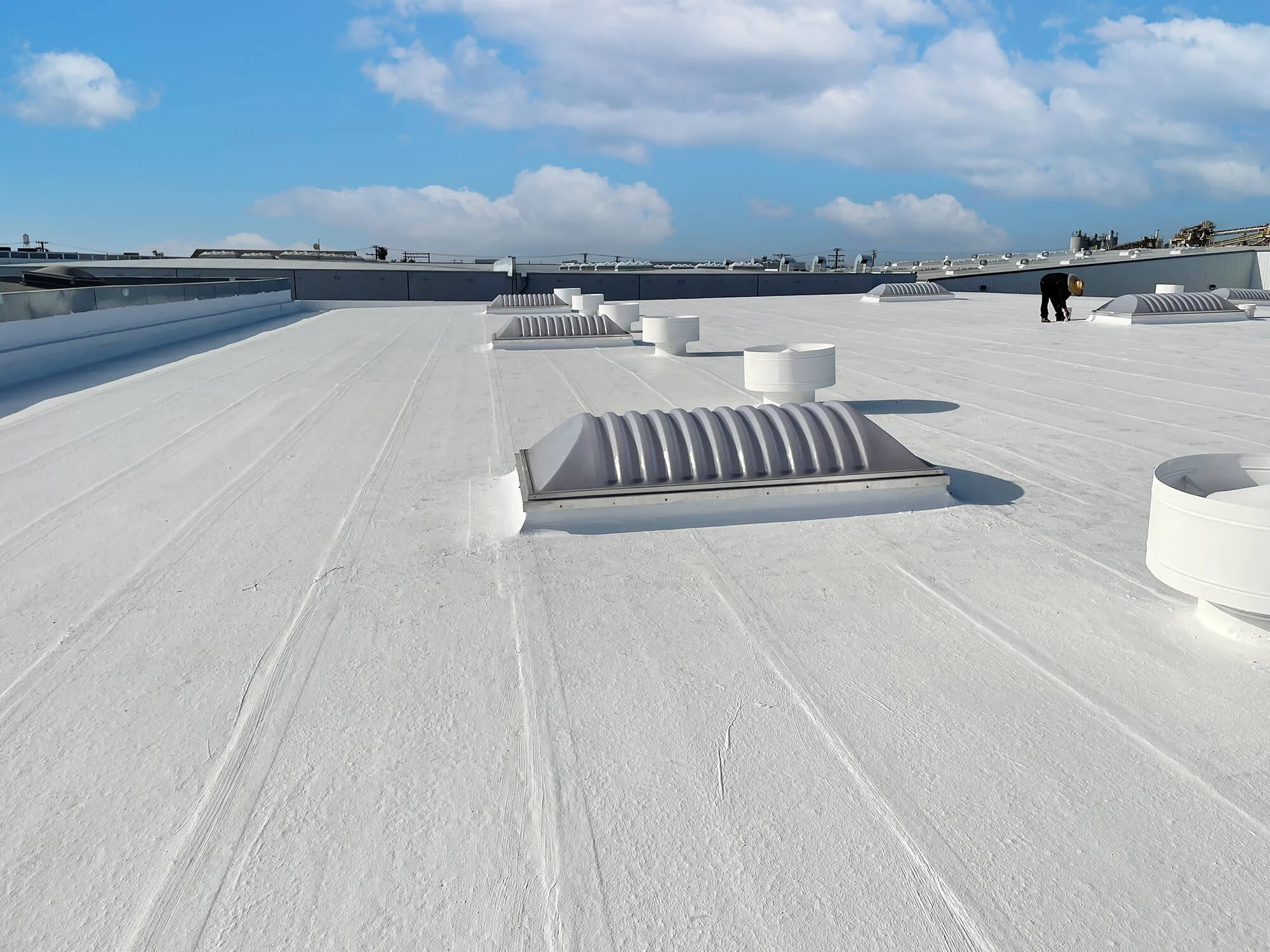
- TPO single-ply, 60 or 80 mil, for most warehouse and retail reroofs
- EPDM, black or white, on buildings where budget or field seaming needs favor it
- PVC where chemical exposure or grease is a factor, like food service or auto-related tenants
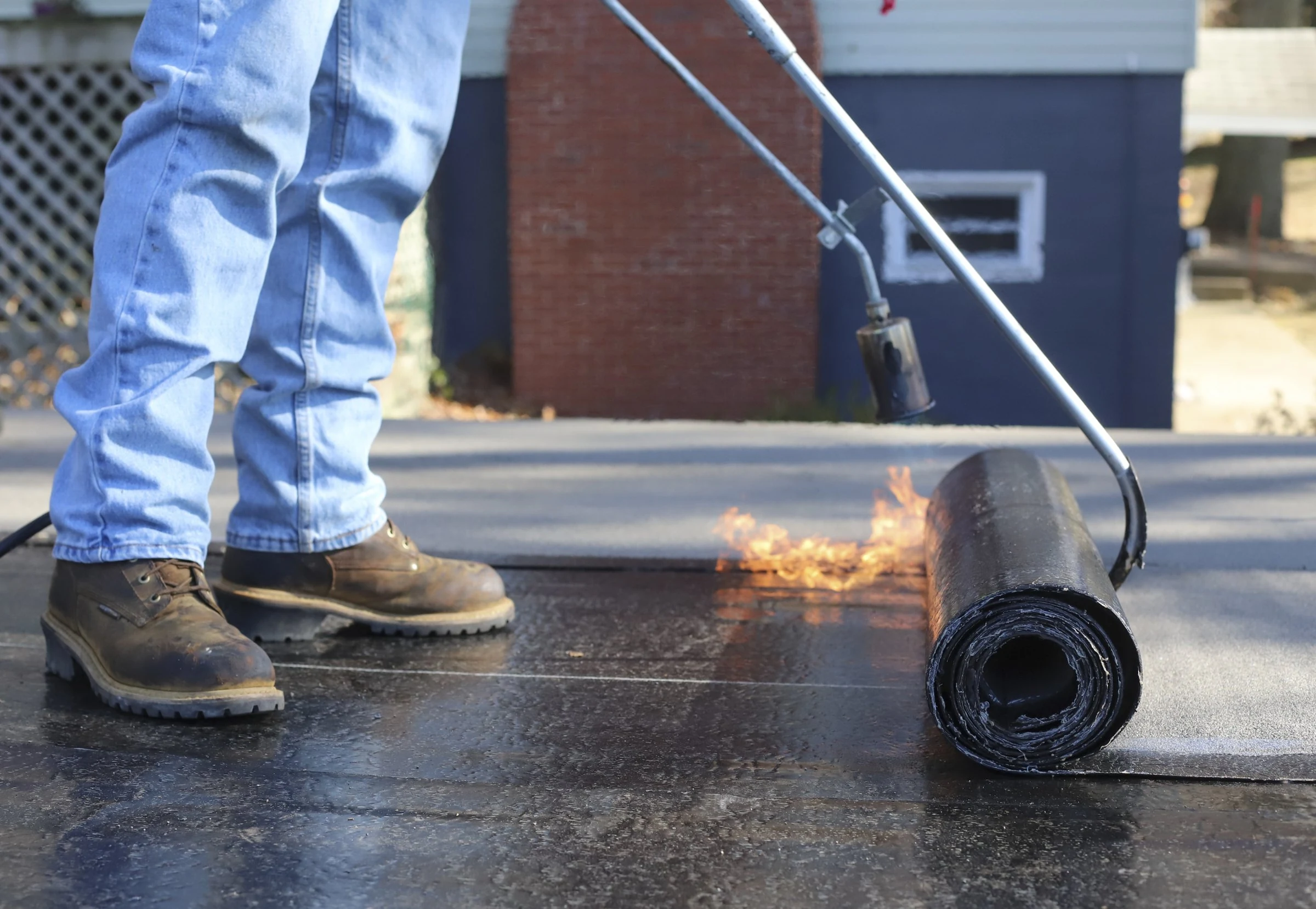
- Modified bitumen on lower-slope sections needing extra puncture resistance
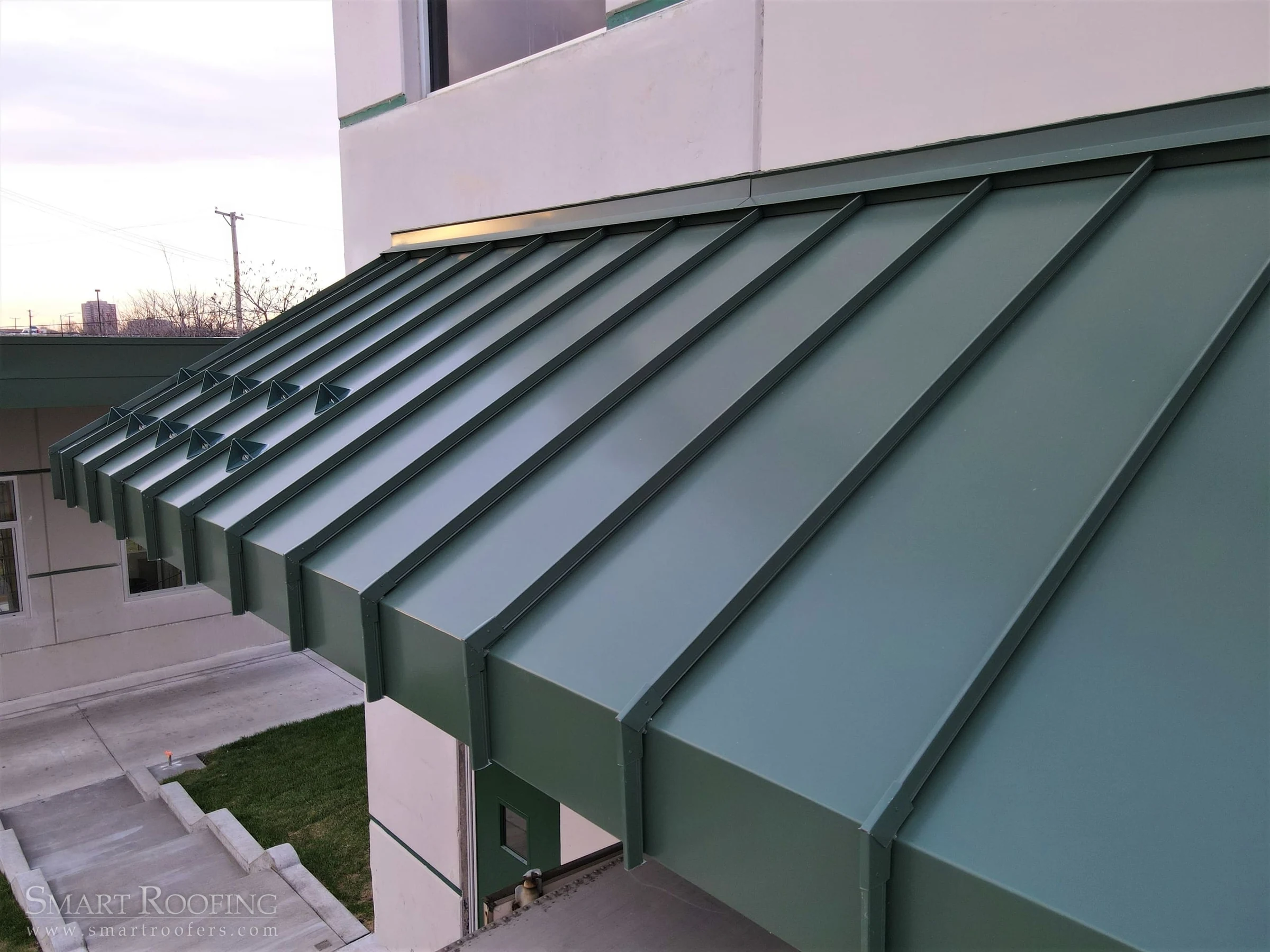
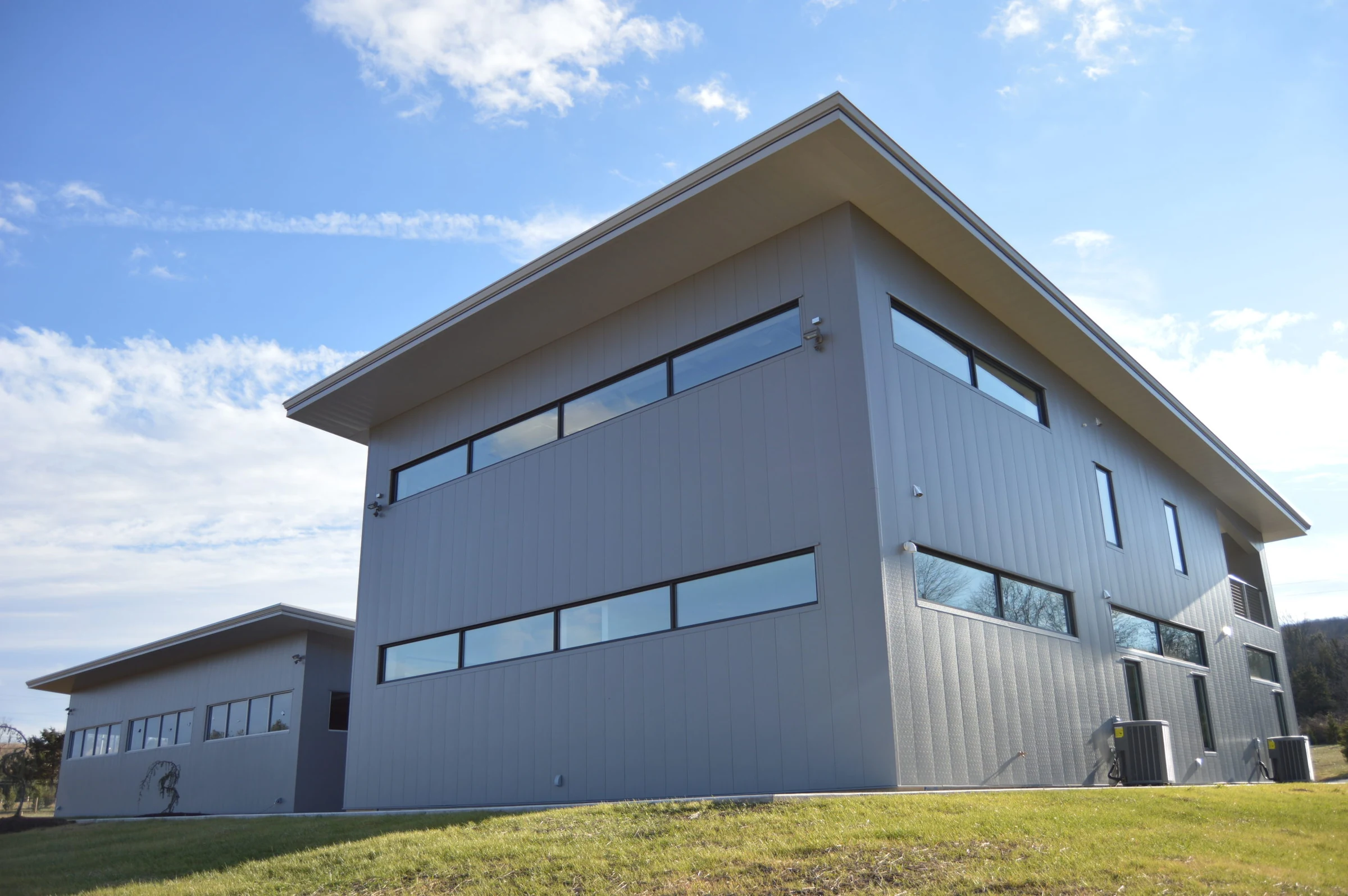
- Standing seam metal on buildings converting from flat to a sloped retrofit
- Built-up roofing on a smaller number of older institutional buildings replacing in kind
A manufacturing building with rooftop equipment and foot traffic gets a different spec than a single-story medical office with almost no rooftop access, and we walk owners through that trade-off before we write a proposal, not after.
Sequencing Tear-Off Around a Building That Can't Close
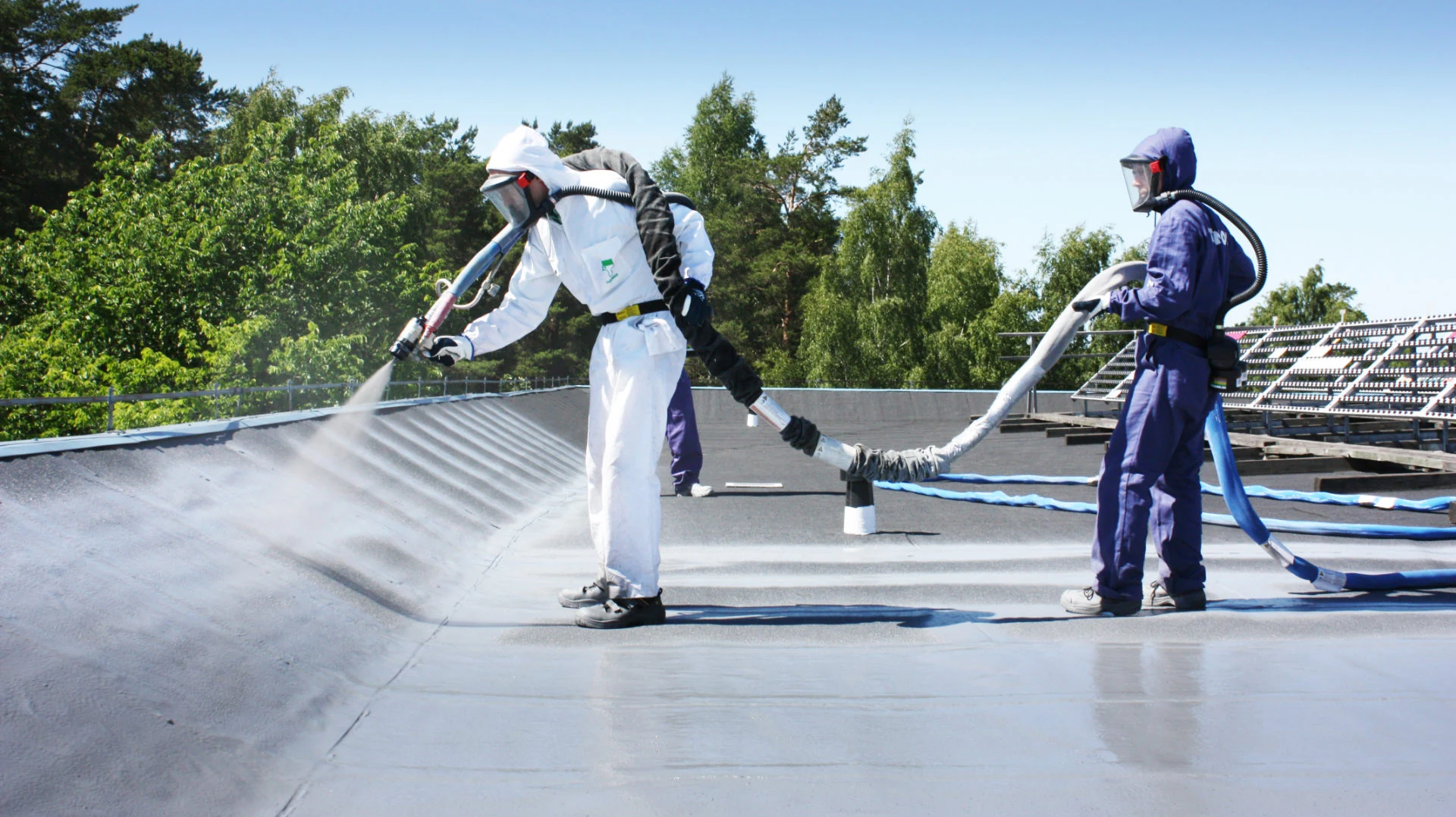
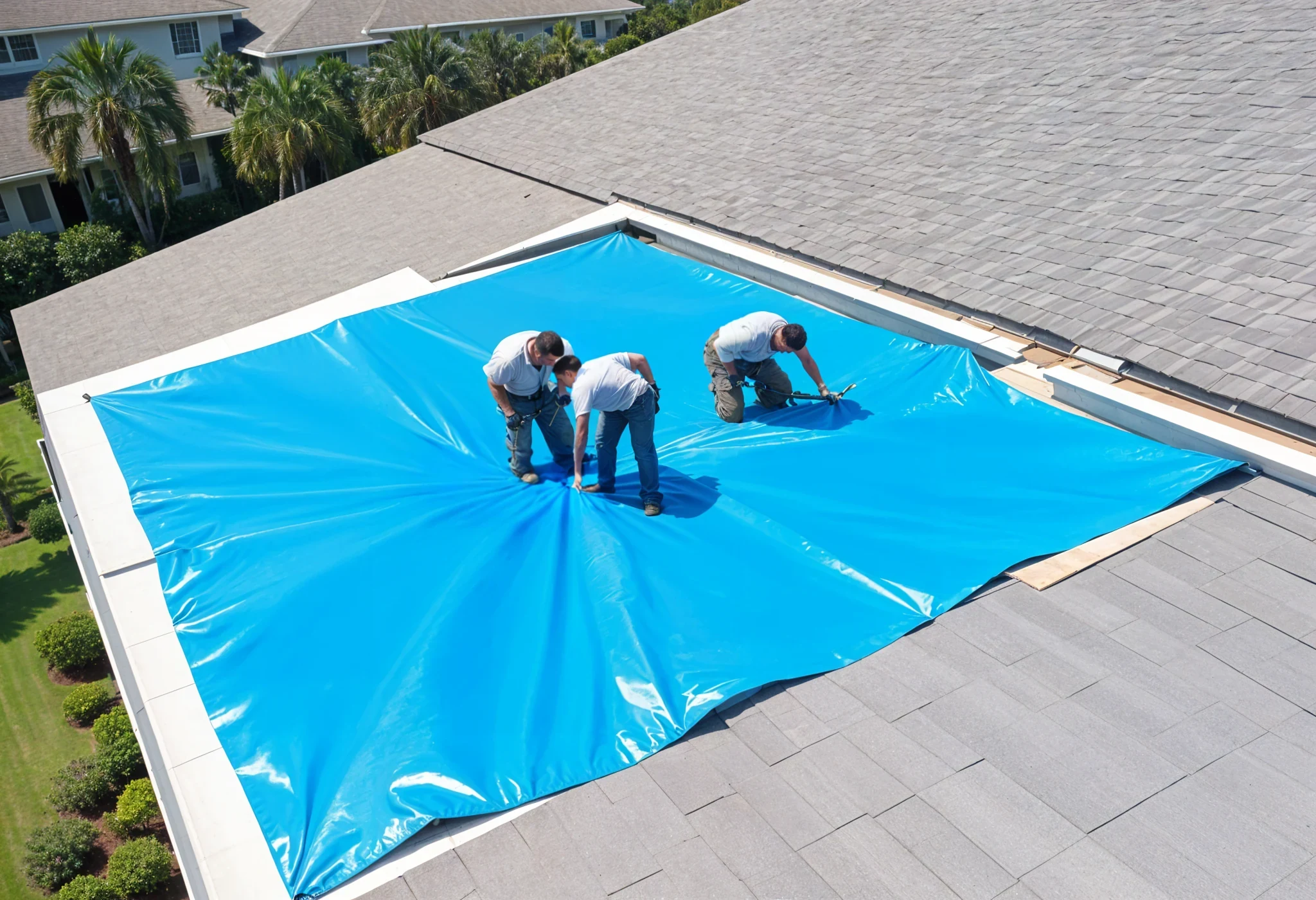
Hospitals, school buildings, and plants running shifts don't get the option of shutting down while we work, so tear-off gets broken into sections that get dried in the same day they're opened. We're not leaving open deck overnight on an occupied building, period.
Timing also gets scheduled around the tenant's calendar where we can — school buildings during summer break, retail before a seasonal push, manufacturing around planned shutdown weeks — though weather in this part of Michigan sets the outer limit more than any of that.
What Actually Drives Cost on a Flint-Area Reroof
The line item that surprises owners most isn't the membrane, it's deck repair discovered once tear-off starts. Buildings from the plant-era boom often have steel deck sections that have been rusting from underneath for years without anyone knowing until the old roof comes off.
Insulation is the other one. Energy code minimums have gone up several times since a lot of these buildings were originally roofed, so a reroof usually means adding thickness well beyond matching what was there before. On roofs with long-standing ponding problems, we'll often price in a tapered insulation layer at the same time, since it's far cheaper to fix drainage during a tear-off than as a separate project later.
Permitting and disposal fees add up more than most owners expect on a larger tear-off, especially on industrial buildings where the volume of old membrane, insulation, and older roofing materials requires documented handling and disposal. We price that piece into the proposal up front rather than leaving it as a line item that shows up as a surprise near the end of the job.
Reroofing Questions We Get From Building Owners
How do you know if a roof needs a full tear-off instead of another recover?
It comes down to the core cuts and moisture scan. If the wet insulation area is limited and the deck is sound, a recover can still make sense. If moisture has spread across a large section or the deck has started to corrode, a recover just buries the problem under a new membrane.
Does the building go without a roof at any point during tear-off?
No. We section the work so nothing stays open overnight, and every section that comes off gets dried in before we move to the next.
Will code require more insulation than what's on the roof now?
In most cases, yes. Energy code minimums have increased since a lot of Genesee County's commercial stock was originally built, so a full reroof is usually the point where insulation gets brought up to current requirements.
How long does a full reroof take on a typical building here?
It depends heavily on square footage and Michigan's weather windows. A single-story retail or office building might run a few weeks; a larger manufacturing or institutional roof with deck repair involved can stretch longer, especially if we hit a stretch of storms.
Can insurance help cover a reroof triggered by storm damage?
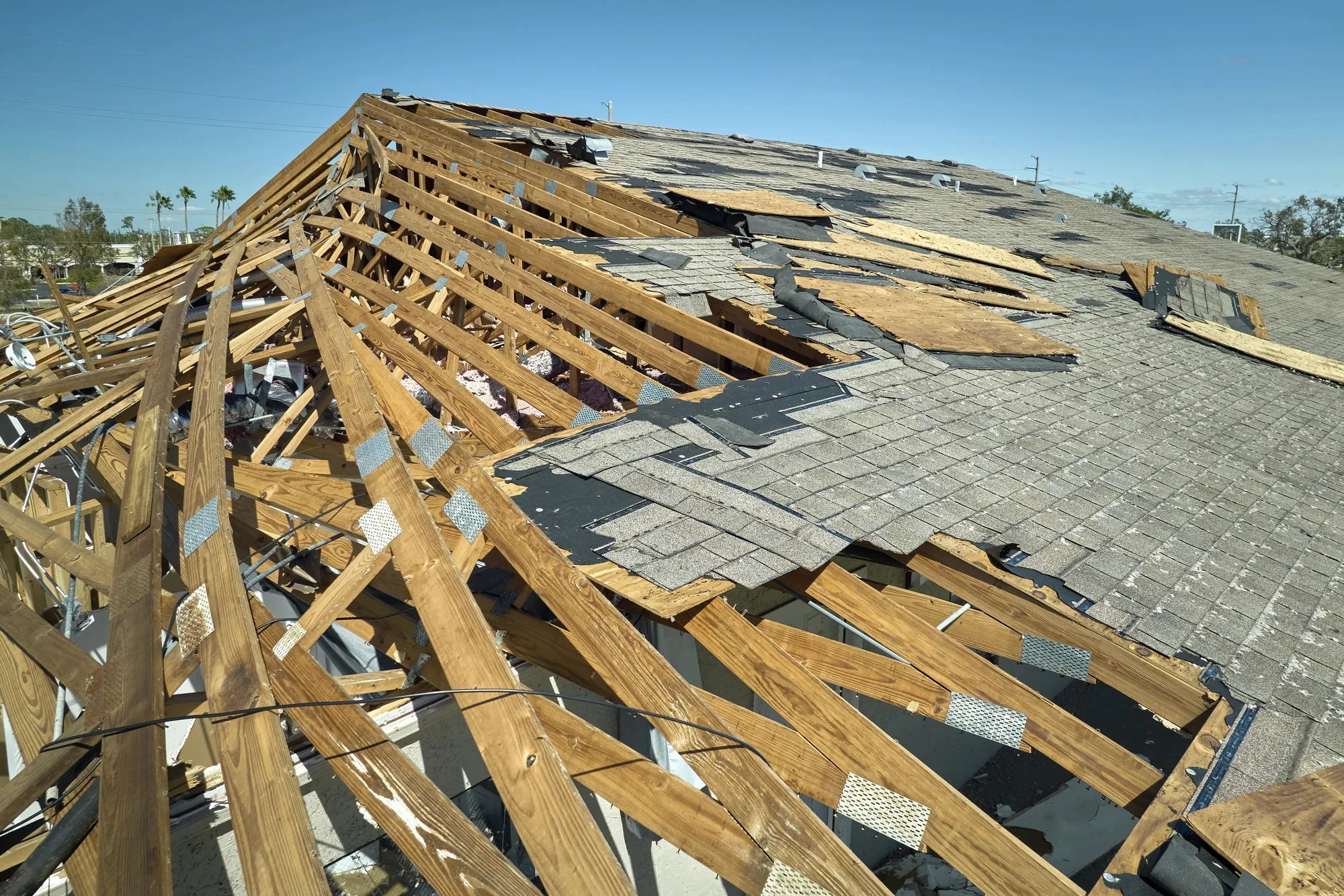
Sometimes, if the damage is documented well enough to show the storm event caused the failure rather than age alone. We handle the documentation side on our insurance documentation support page, but we don't promise a claim outcome, since that's the adjuster's call.
Related
Ready to review the roof scope?
Let’s Talk About Your Commercial Roof
Share the building, roof history, known leaks or damage, access constraints, and schedule. We’ll start with the roof condition and the facility below it.