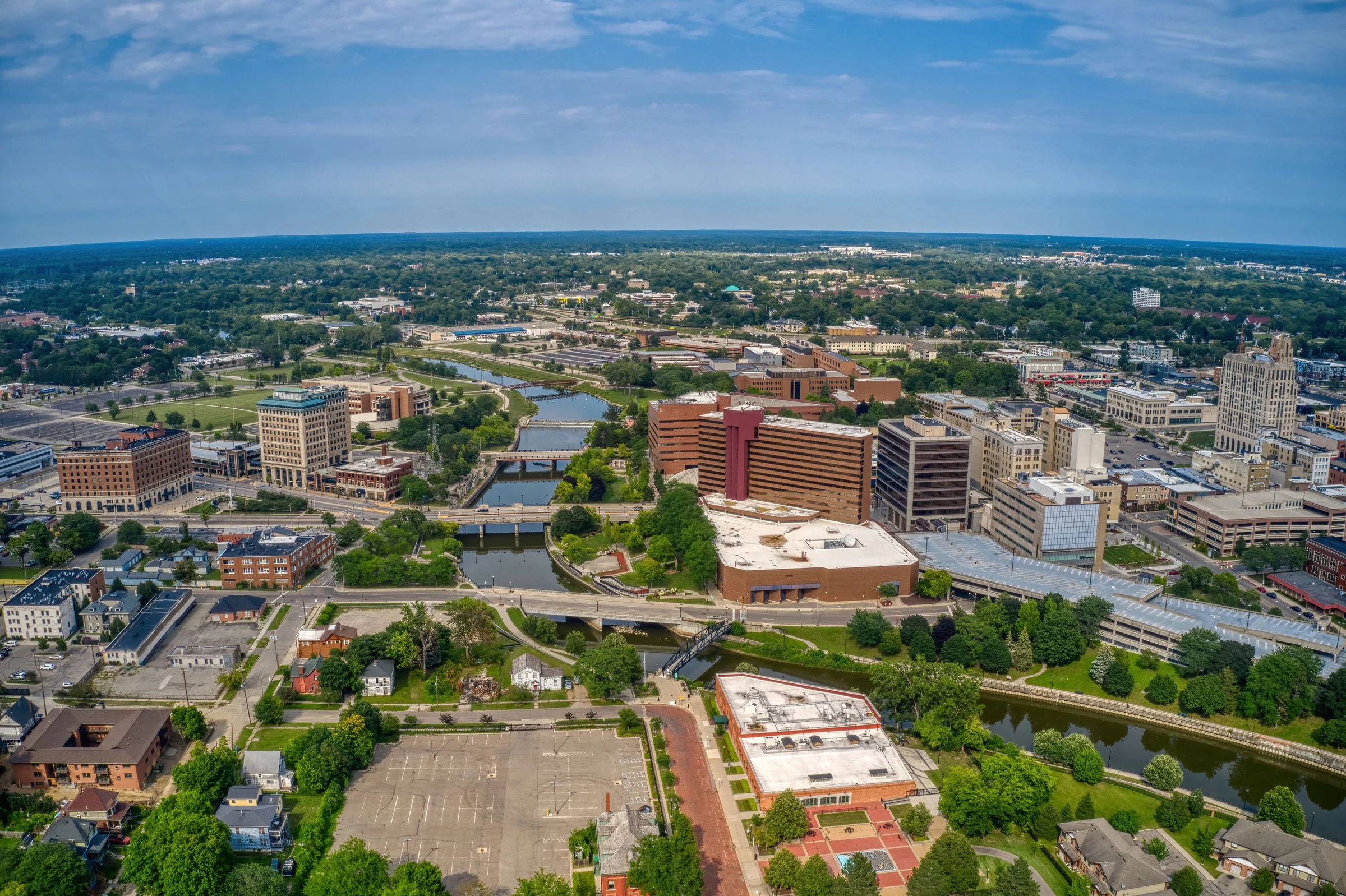

PVC Roof Systems in Flint, MI
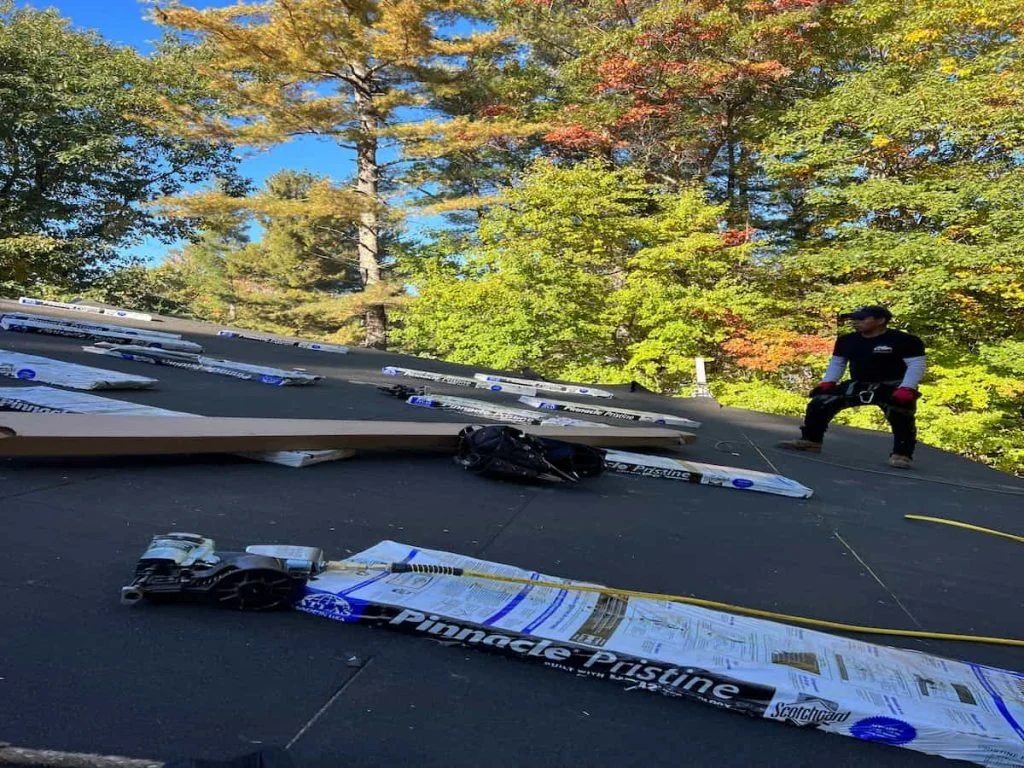
PVC's Case on Buildings Where Chemical Exposure Is the Real Problem
Most low-slope roofs in Genesee County don't have a chemical exposure problem, so TPO or EPDM handles them fine. PVC earns its higher cost on a smaller set of buildings, restaurant and food-service rooftops, and repurposed industrial space where grease, solvents, or exhaust are actually in contact with the membrane.
Where PVC's Chemical Resistance Actually Matters
PVC membrane resists petroleum-based oils, greases, and many industrial solvents in ways that TPO and EPDM don't. That matters directly above restaurant kitchen exhaust, and it matters on some of the converted manufacturing bays scattered through the old AC Spark Plug and Delphi footprint, where a building's second or third tenant may run processes that put chemical residue into the rooftop air stream.
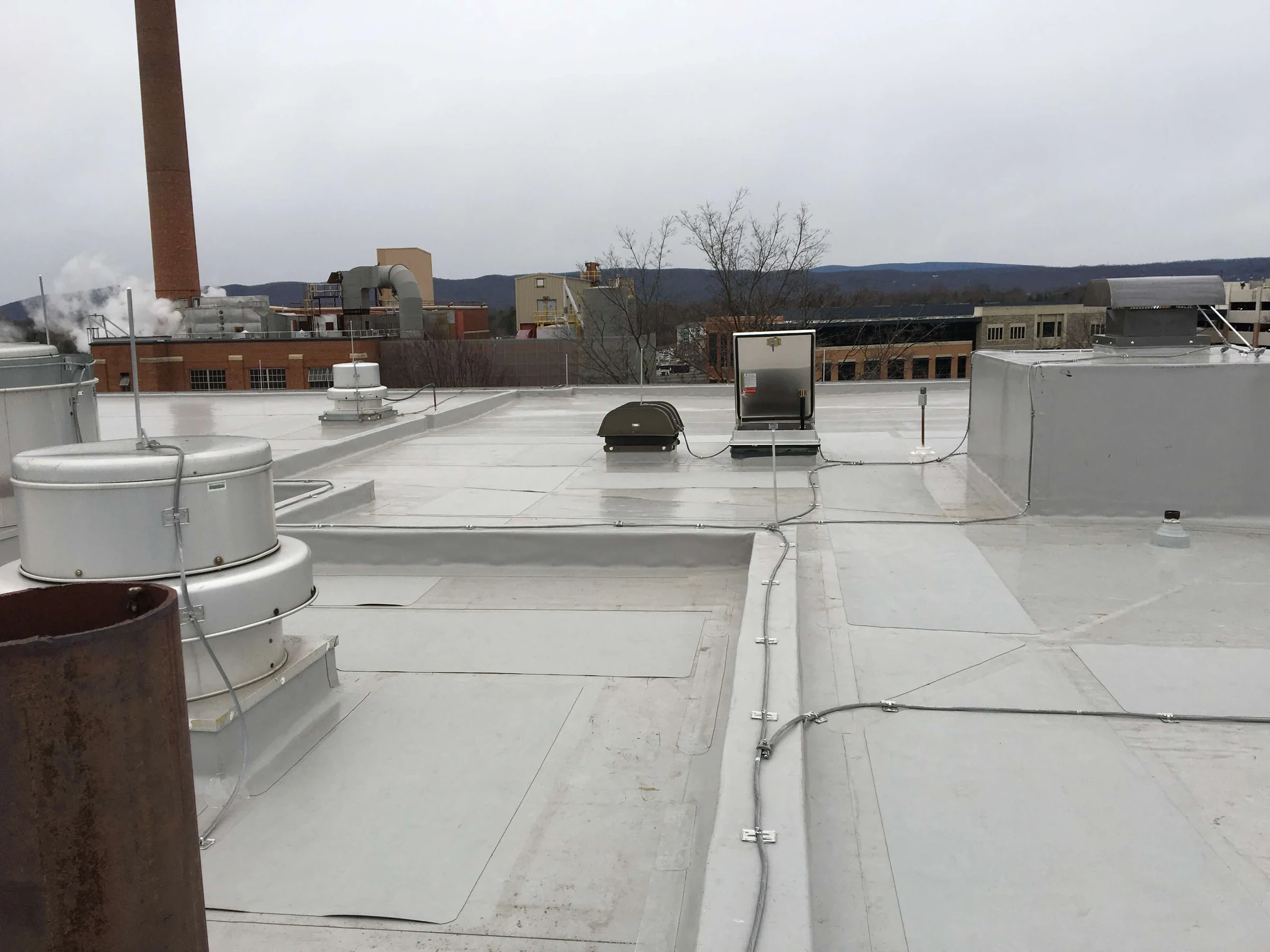
On a roof with rooftop grease exhaust vents, standard membrane can soften and degrade at the exposed area even if the rest of the field is fine years later. We spec PVC around those specific vent zones when a client is dealing with that exposure, rather than defaulting to it building-wide.
Heat-Welded Seams, Same Discipline as TPO
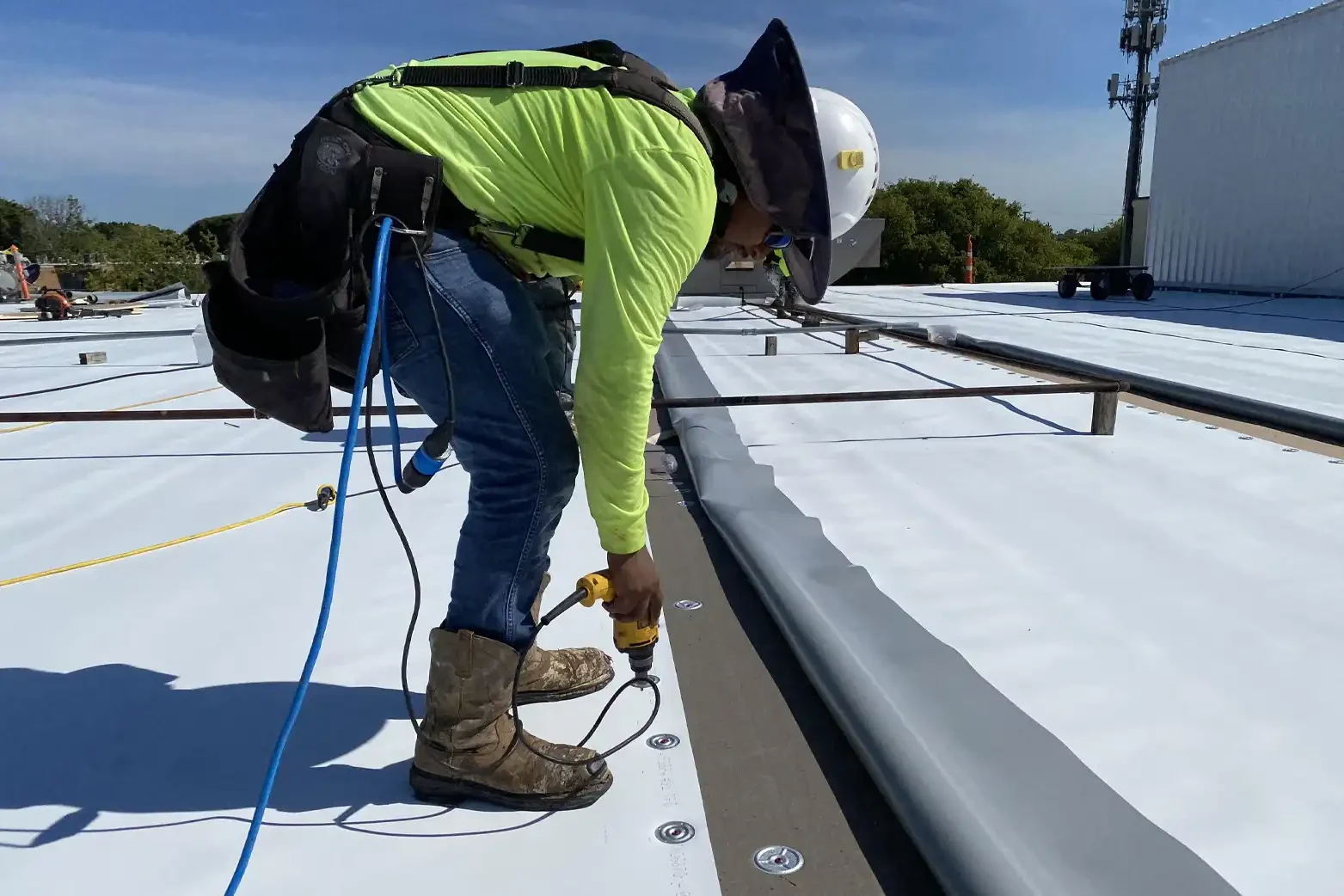
PVC seams weld the same way TPO's do, hot air fusing the sheets into a monolithic layer rather than an adhesive bond. The welding window and probe-testing discipline are the same conversation we have on every TPO job: membrane temperature, ambient conditions, and roller pressure all have to be inside range, and every seam gets probed before the crew calls it done.
Where PVC differs slightly is at flashing corners, where the membrane's welding characteristics let it form tighter, more consistent details around irregular penetrations than a stiffer membrane would, which is part of why it's a common choice on roofs with a lot of equipment and exhaust points crowded into a small area.
Fire and Chemical Codes on Occupied Buildings
Restaurant and food-service tenants sometimes carry specific rooftop exhaust and fire-separation requirements tied to their kitchen equipment, and those requirements can influence membrane choice around exhaust penetrations independent of the roofing spec elsewhere on the building. We coordinate that detail with the mechanical scope rather than guessing at it after the roof is already welded.
That coordination usually means a conversation with the tenant's mechanical contractor before we finalize the roofing scope, since exhaust equipment changes and fire code updates can both shift what the roof needs at that specific penetration.
Freeze-Thaw Behavior on PVC in a Michigan Winter
PVC membrane stays workable across a wide temperature range and has a long track record in cold climates, which is part of why it's a common spec on Michigan buildings that need chemical resistance rather than a warm-climate product being pushed into a market it wasn't built for. What we watch closely through freeze-thaw cycling is the flashing at penetrations near exhaust equipment, since repeated expansion and contraction around a hot vent stack works differently than the same detail on a standard roof-mounted curb.
We also check for plasticizer migration at older PVC installations, a slow chemical change that can make aged sheet stiffer over time. It shows up first at flashing corners and pipe boots, which is why those details, not the open field, are where our winter inspections spend the most time on a PVC roof.
- Grease and exhaust vent penetration flashing
- Field seam probe results near chemical exposure zones
- Insulation condition around active and abandoned vents
- Termination bar seating at parapets and curbs
- Fire-separation compliance at kitchen exhaust points
- Drain function relative to any low points
Recover Versus Replace on Repurposed Industrial Roofs
A lot of PVC quotes we write are on buildings with a complicated roof history: multiple past tenants, patched exhaust penetrations from equipment that's since been removed, and insulation that may have absorbed grease or moisture near old vent locations. We core near every active and abandoned exhaust point before recommending recover, because a field that tests dry can still have a compromised ring around an old vent that a general core sample would miss.
On buildings that have changed hands or changed tenants more than once, we also try to track down what used to sit on the roof before the current use, since an old grease exhaust location that's been capped off can still leave degraded insulation underneath even years after the equipment came out. That history is worth an hour of asking around before it's worth a full tear-off quote.
What a PVC Warranty Requires
PVC manufacturers extend the same NDL warranty structure most single-ply membranes carry, contingent on installation matched to the published detail drawings and a field inspection before issue. On chemically exposed roofs, the detail that matters most is the flashing and termination around exhaust penetrations, since that's where a compromised installation shows up first.
We document the assembly, the flashing details around every exhaust and mechanical penetration, and the field inspection results as part of the closeout file. On a building with active grease exhaust, that documentation is also what a mechanical contractor or health inspector may ask to see later, so we keep it organized rather than buried in a folder somewhere.
PVC Roofing Questions From Flint Building Owners
Does my building actually need PVC, or is TPO enough?
If there's no grease, exhaust, or solvent exposure hitting the membrane, TPO usually does the job for less money. PVC earns its cost specifically around chemical exposure, which is a narrower set of buildings than people assume.
How does PVC handle cold weather compared to TPO?
Both are heat-welded single-ply membranes with similar installation temperature ranges. Neither should be welded in marginal cold without warming the material and probing every seam before leaving the roof.
Can PVC be installed just around a kitchen exhaust vent instead of the whole roof?
In some cases, yes, as a localized membrane transition tied into the surrounding field system. We evaluate that against the flashing detail required at the transition line before recommending it over a uniform spec.
Is PVC more expensive than TPO?
Generally yes, per square. That premium is worth paying where chemical exposure is real and not worth paying where it isn't, which is why we scope the exposure before recommending the membrane.
What happens to insulation near an old, removed exhaust vent?
It can carry residual grease saturation even after the equipment is gone, which shows up in a core sample as darkened, degraded board. We check those spots specifically rather than assuming a general field core represents the whole roof.
Related
Ready to review the roof scope?
Let’s Talk About Your Commercial Roof
Share the building, roof history, known leaks or damage, access constraints, and schedule. We’ll start with the roof condition and the facility below it.