
Commercial Roof Coatings in Flint
Acrylic Coatings for Metal Roofs Along the Retail Corridors
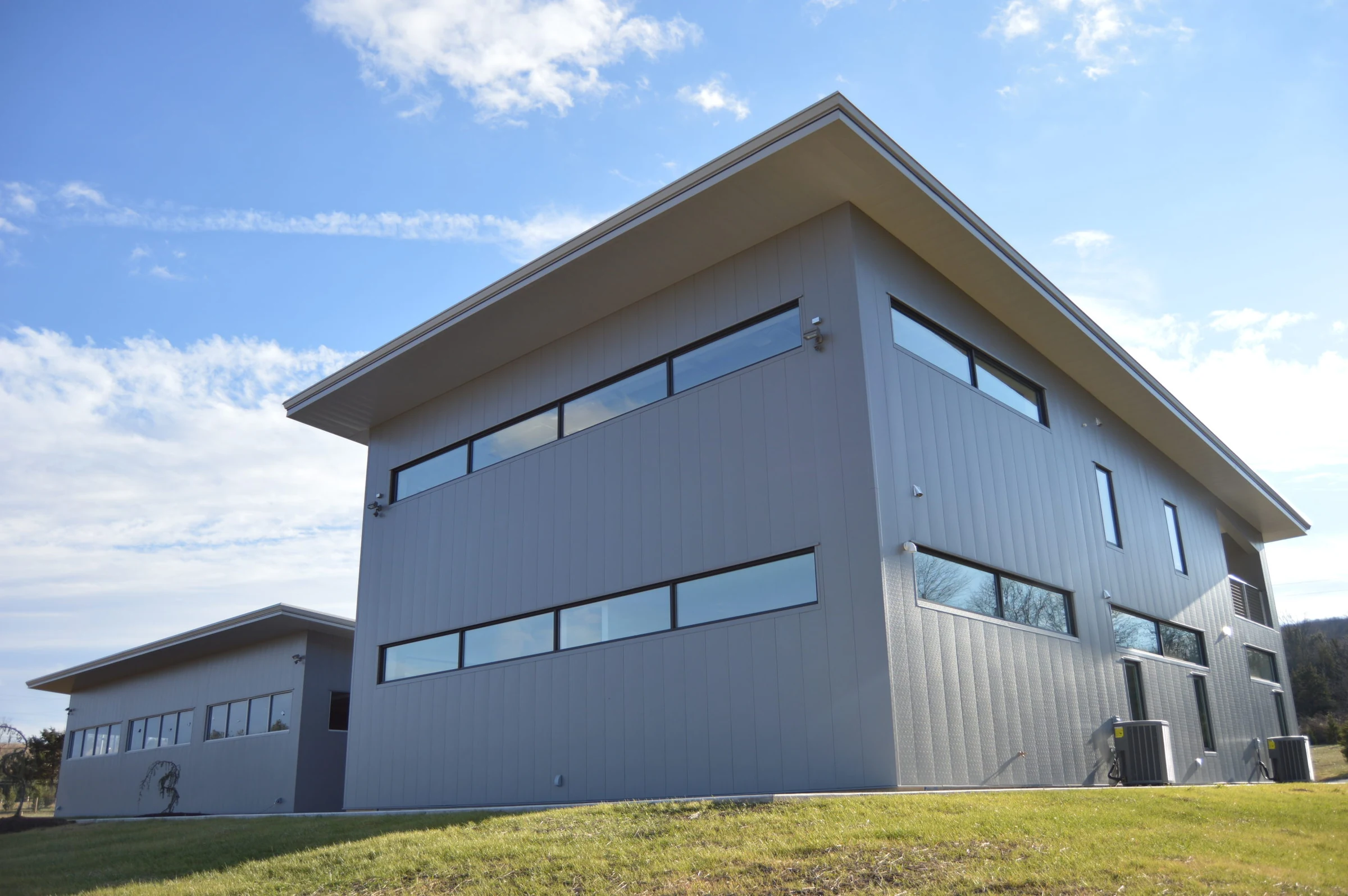
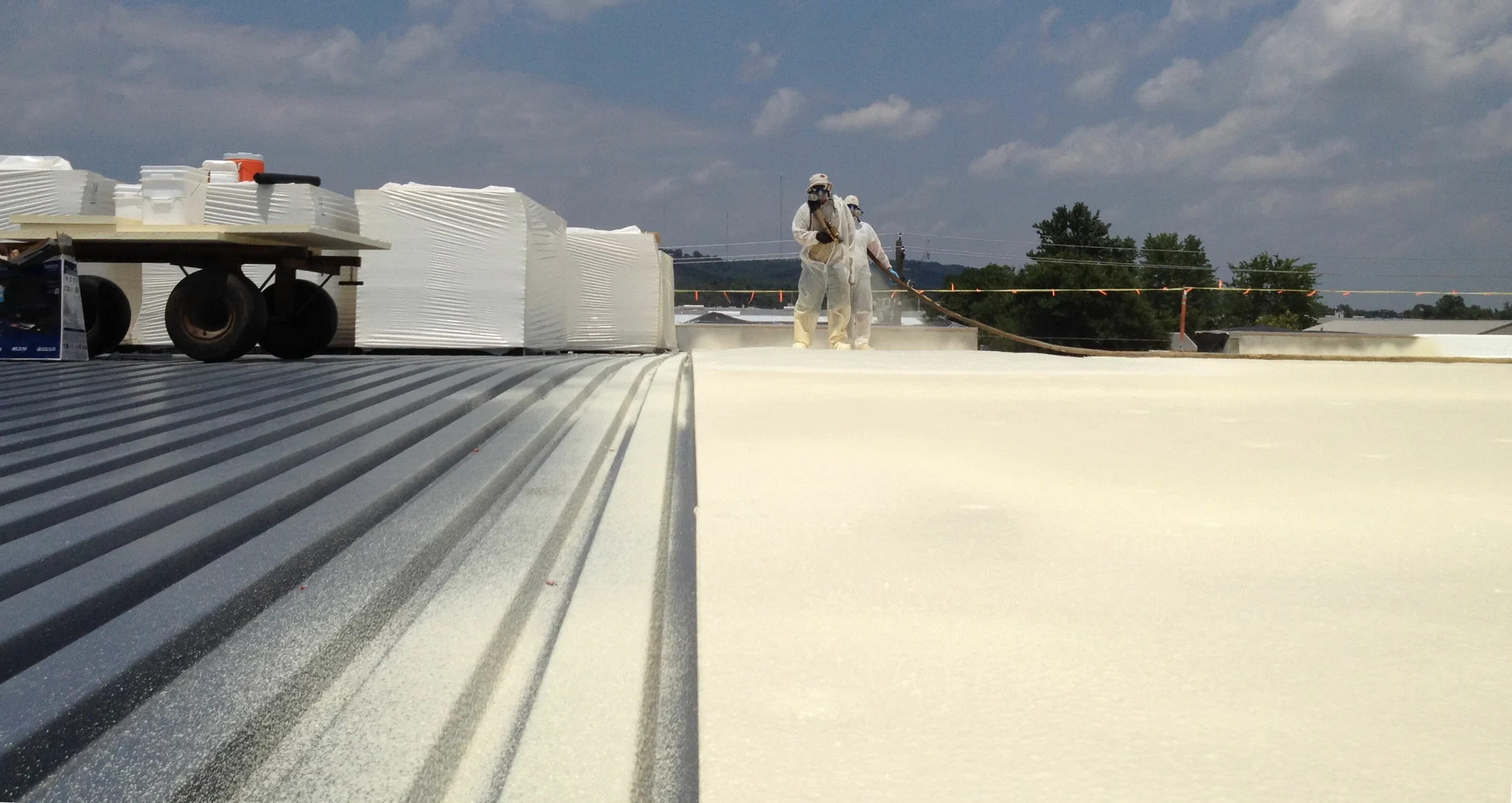
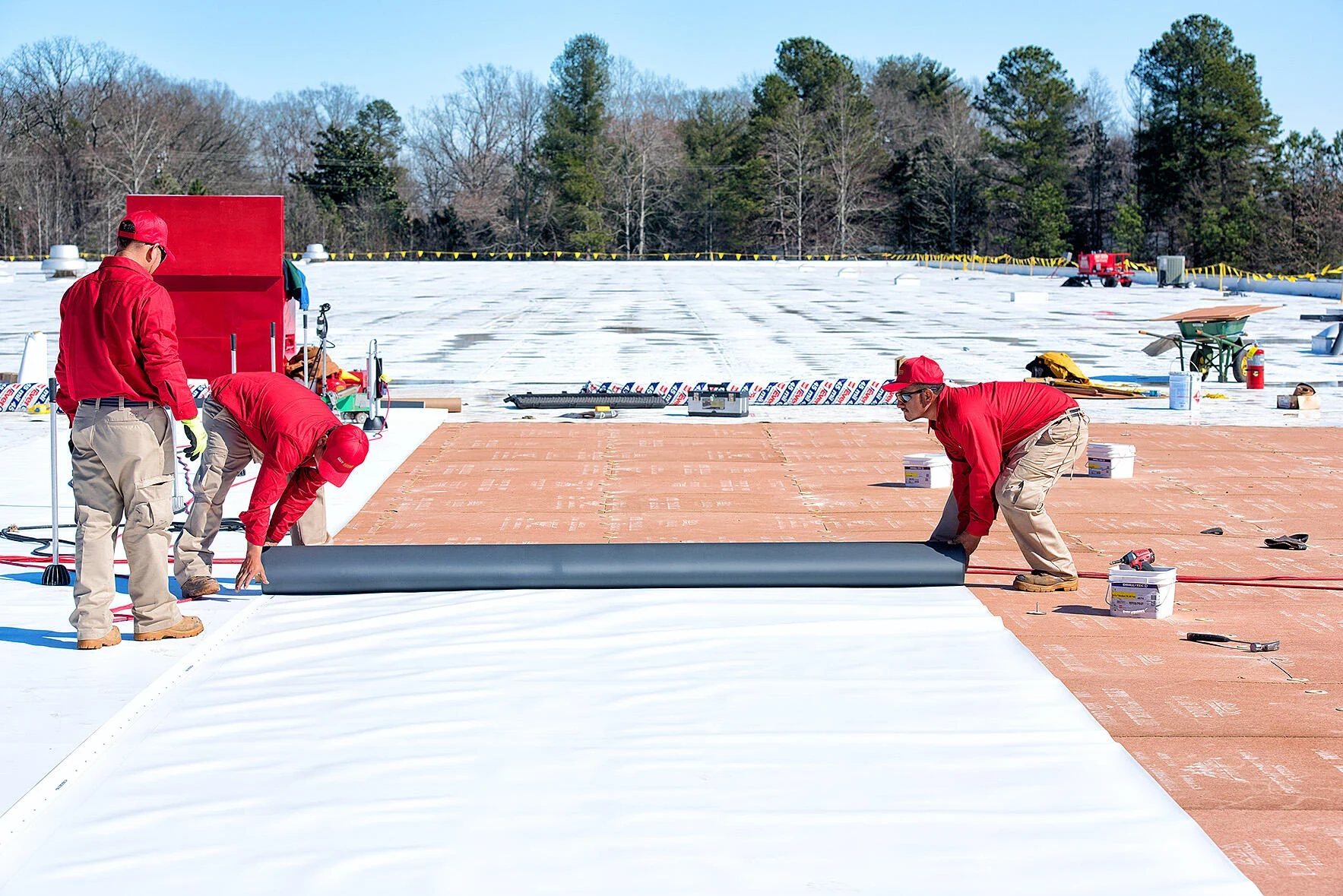
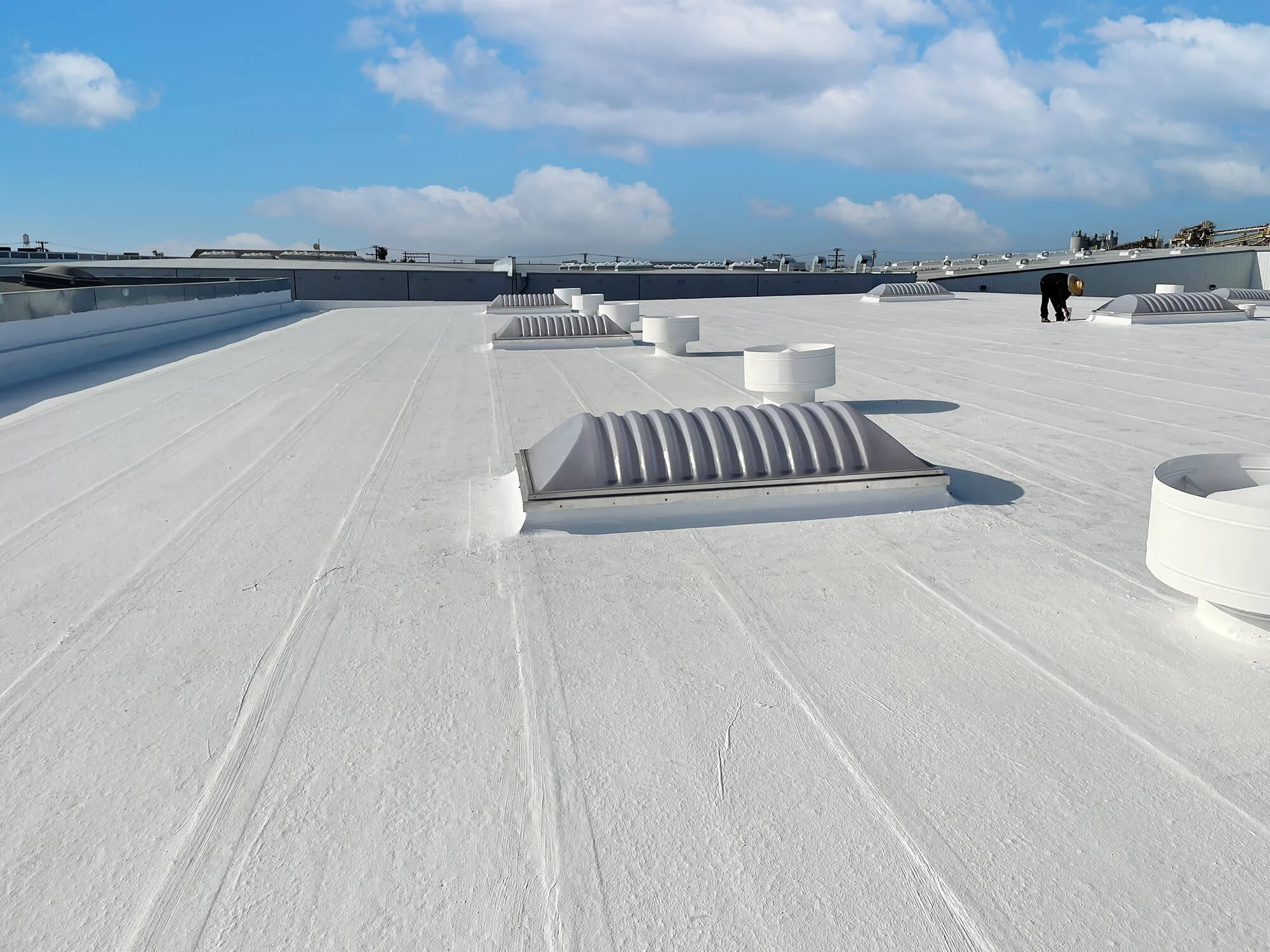
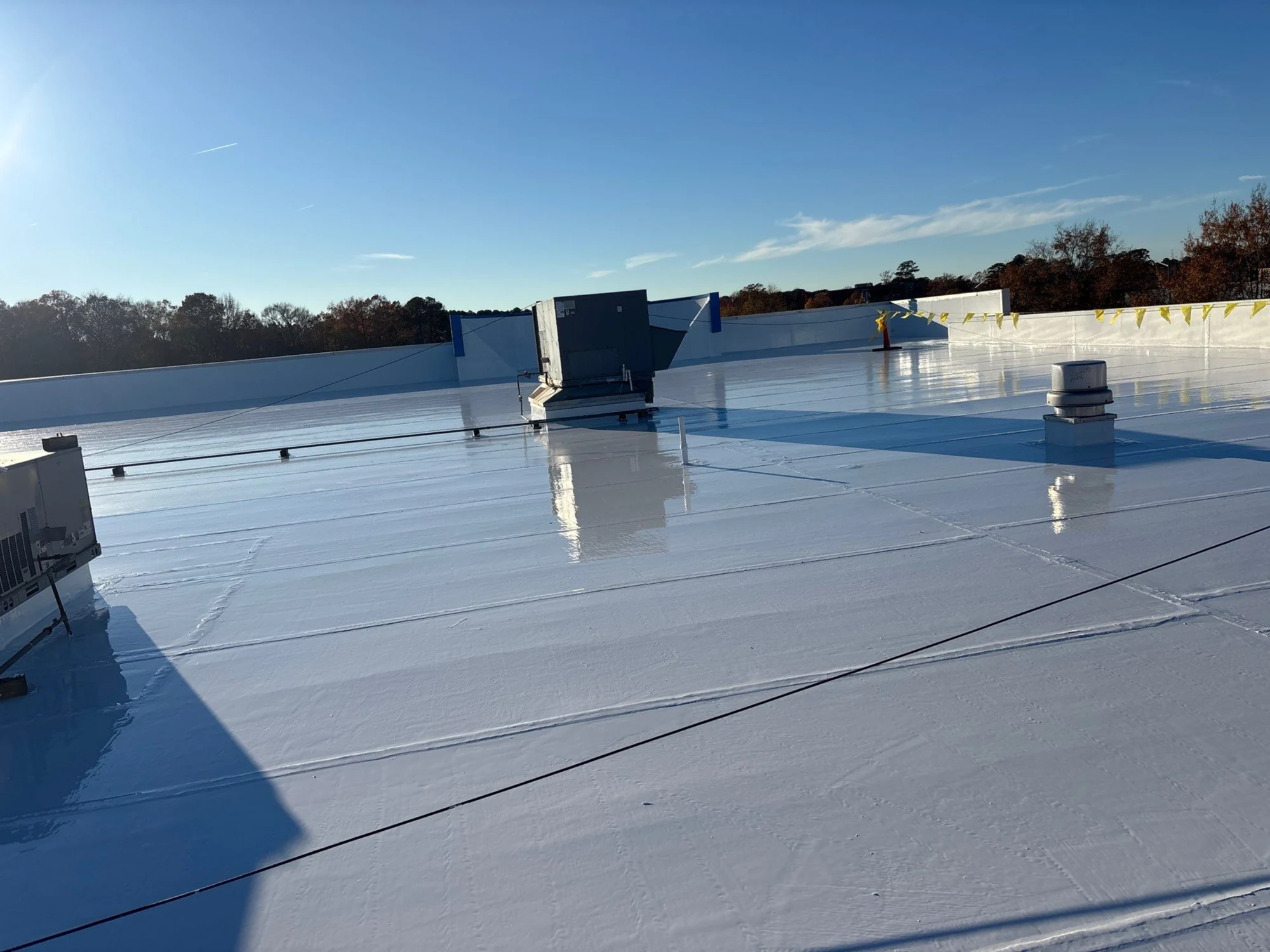
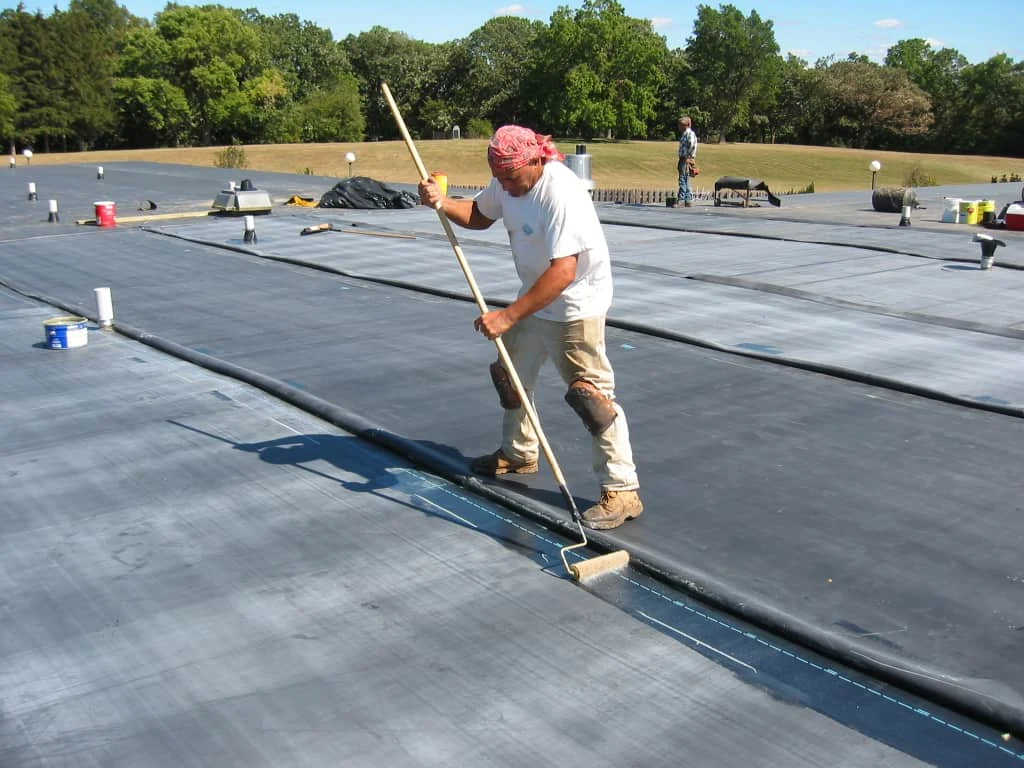
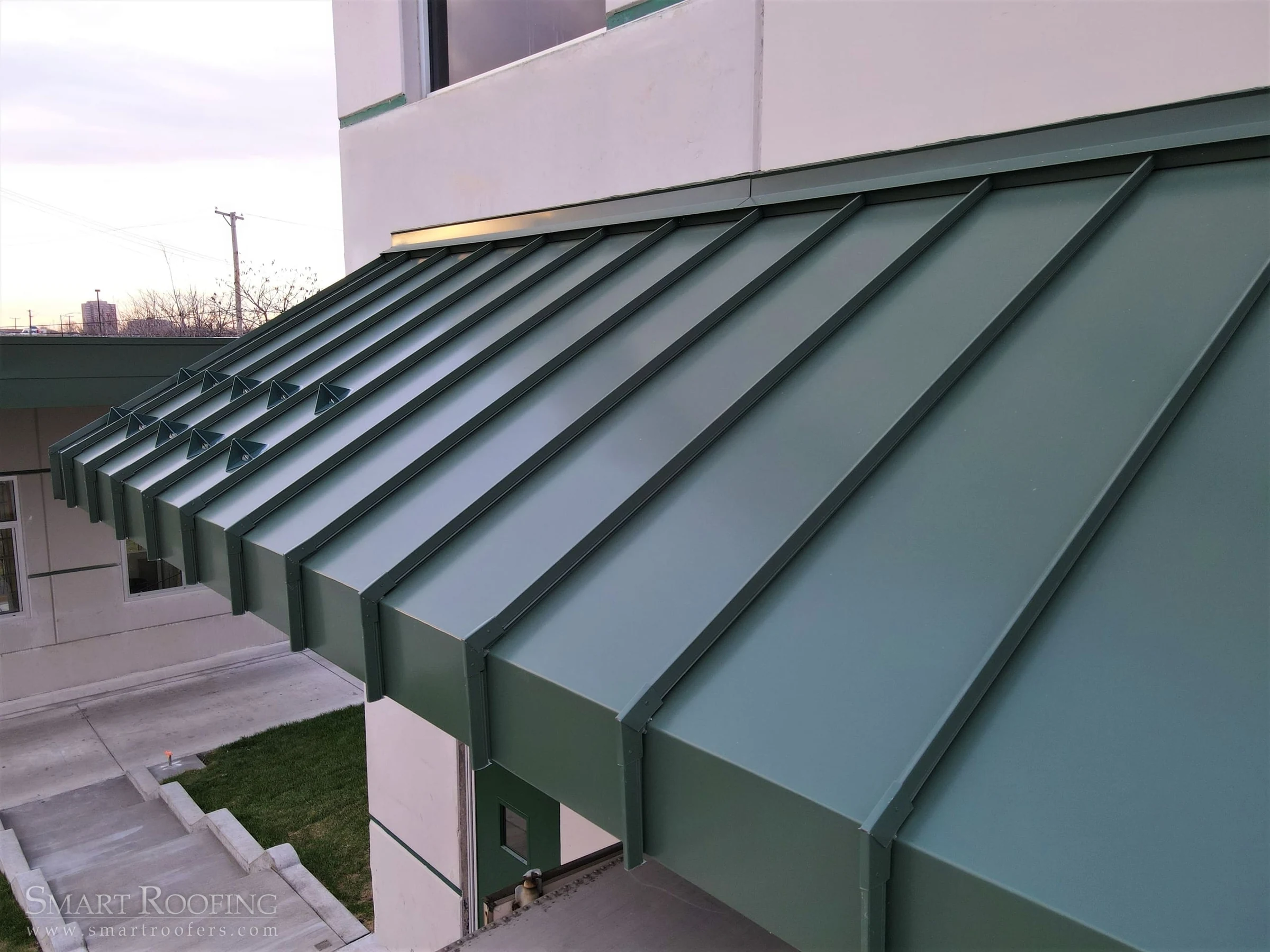
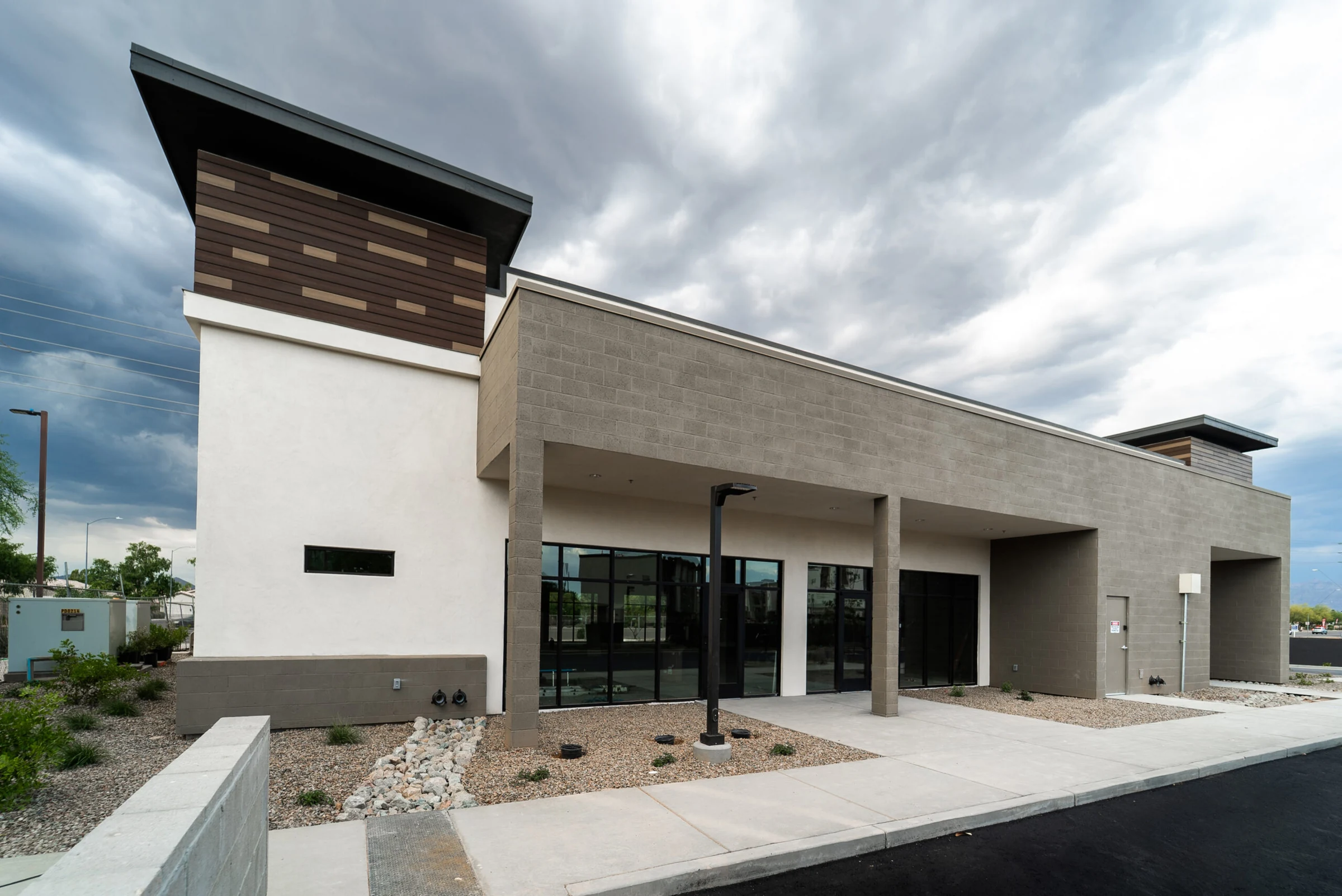
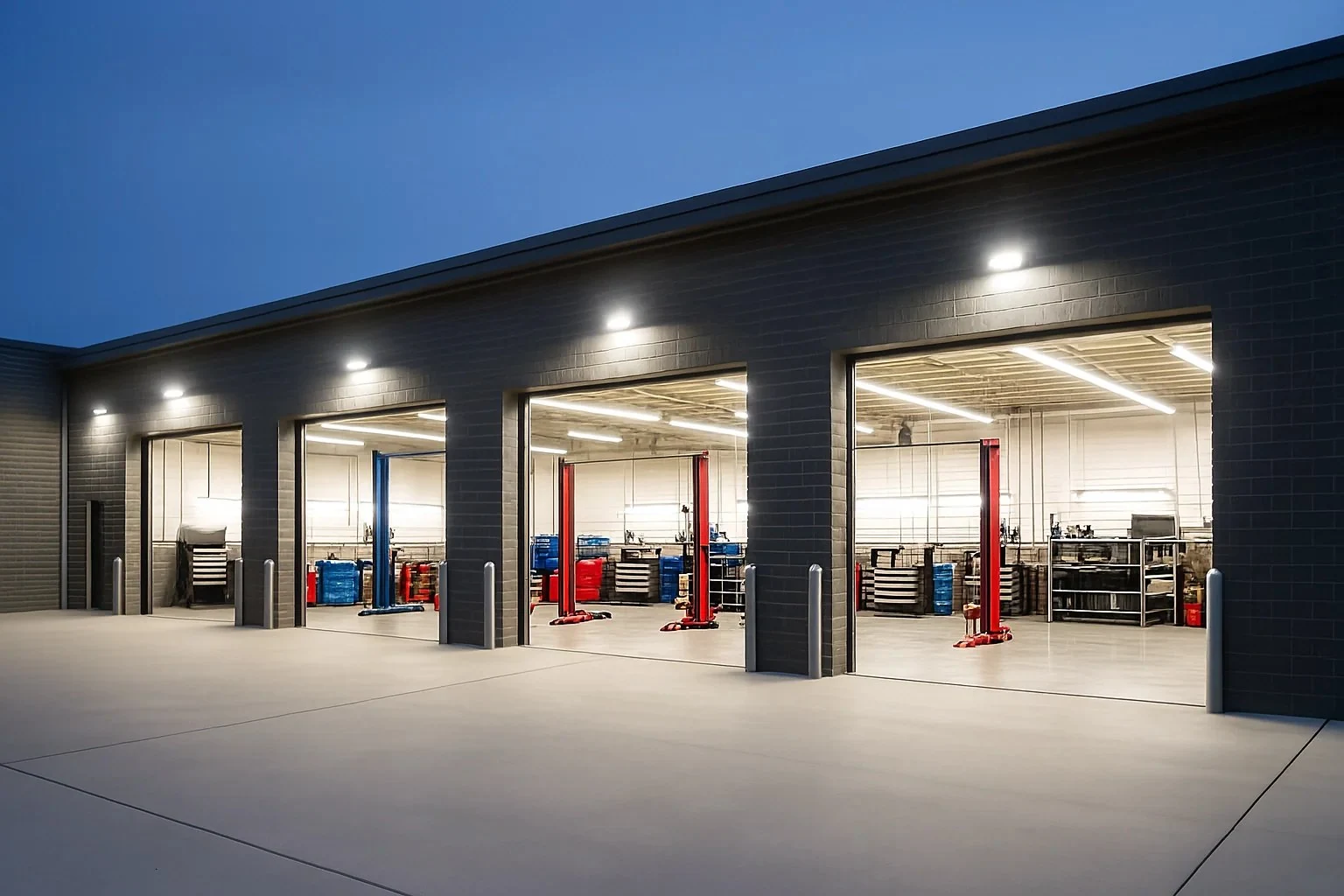
A coating recommendation starts with adhesion, moisture, drainage, membrane condition, detail preparation, and warranty eligibility—not every existing roof is a restoration candidate. Acrylic coating work in Genesee County shows up most on metal roofs — standing seam and R-panel buildings along Miller Road, Dort Highway, and the retail strips scattered through Burton and Flint Township — where the roof sheds water cleanly and doesn't have the ponding problems that push us toward silicone instead. On the right substrate, acrylic is a durable, reflective, cost-effective coating that does the job for less than premium coating chemistries.
Where Acrylic Fits Versus Silicone
Acrylic and silicone coatings solve similar problems — renewed weatherproofing, restored reflectivity, extended service life without tear-off — but they have different weaknesses. Acrylic coatings soften and degrade faster than silicone under sustained standing water, so we don't recommend acrylic on roofs with known ponding areas that aren't getting corrected. On sloped metal roofs and well-drained single-ply roofs without ponding issues, that weakness doesn't come into play, and acrylic's lower material cost makes it the more economical choice for a lot of the retail and light-commercial buildings we work on.
We make that call based on an actual site assessment of drainage, not a default preference for the cheaper option. A roof that looks well-drained on a sunny inspection day can still hold water after a heavy snowmelt or a hard rain, so we look at staining patterns and debris lines that indicate where water has actually been sitting, rather than relying on the roof's apparent slope alone.
Reflectivity and Metal Roof Performance
A lot of the metal roofs we coat with acrylic are older, with faded or chalking factory finishes that have lost most of their original reflectivity. Reapplying reflective coating on these roofs cuts summer rooftop temperature swings, which matters for the roof material itself — less thermal cycling stress on seams and fasteners — as well as for any conditioned space underneath. On retail buildings along the corridors where a lot of these roofs sit, that reflectivity difference is noticeable in cooling costs during Michigan's warmer months, even though winter is the season that drives most of the structural wear here.
Preparing a Metal Roof for Acrylic Coating
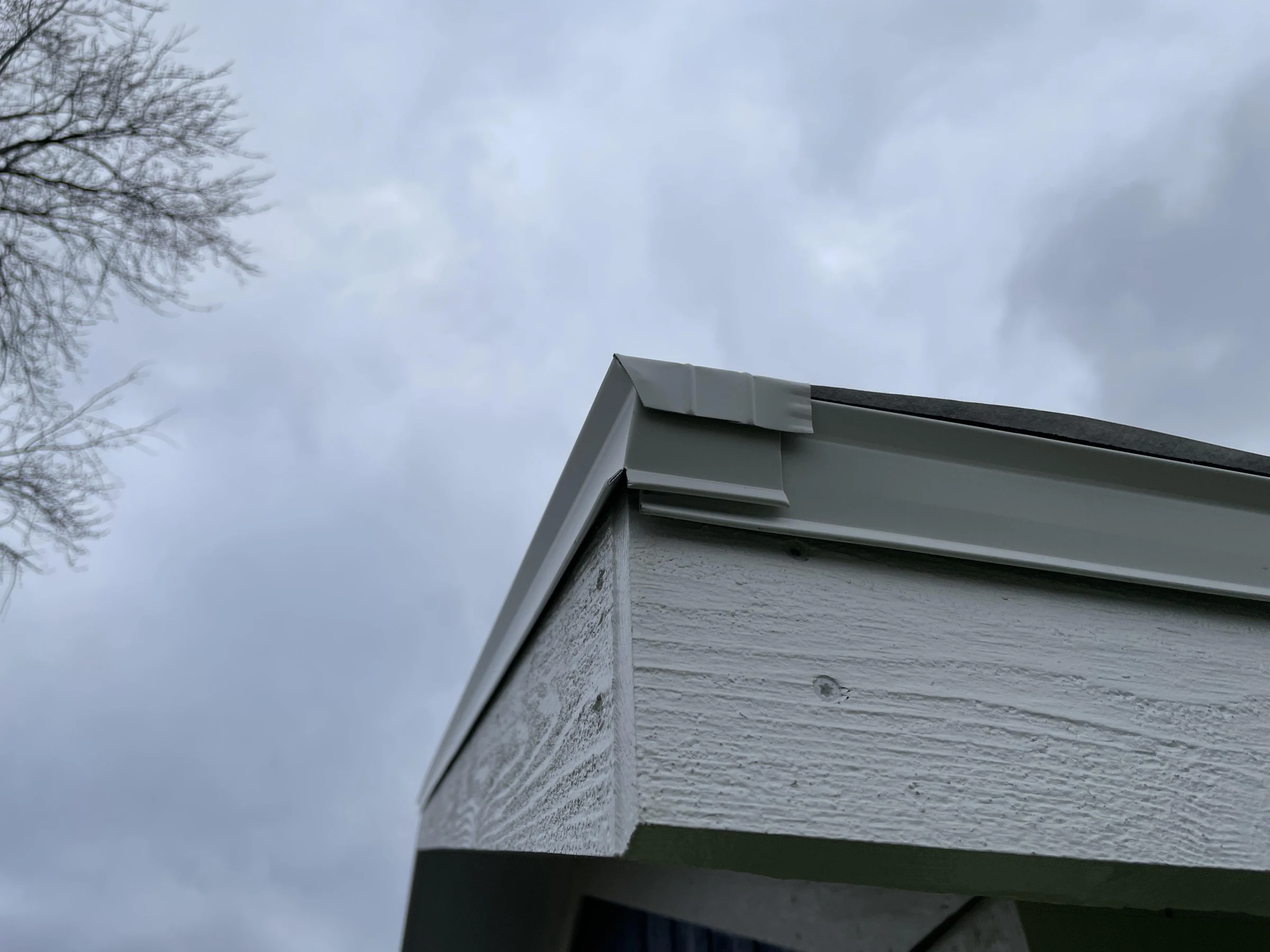
Coating adhesion on metal depends heavily on surface preparation. We clean the panel surface of chalking, oxidation, and debris, treat any active rust spots individually before they go under the coating, and address fastener condition on exposed-fastener systems so the coating seals sound fasteners rather than papering over failing ones. Skipping proper prep is the most common reason a coating job underperforms its rated service life, and it's not a step we shortcut to save time on the schedule.
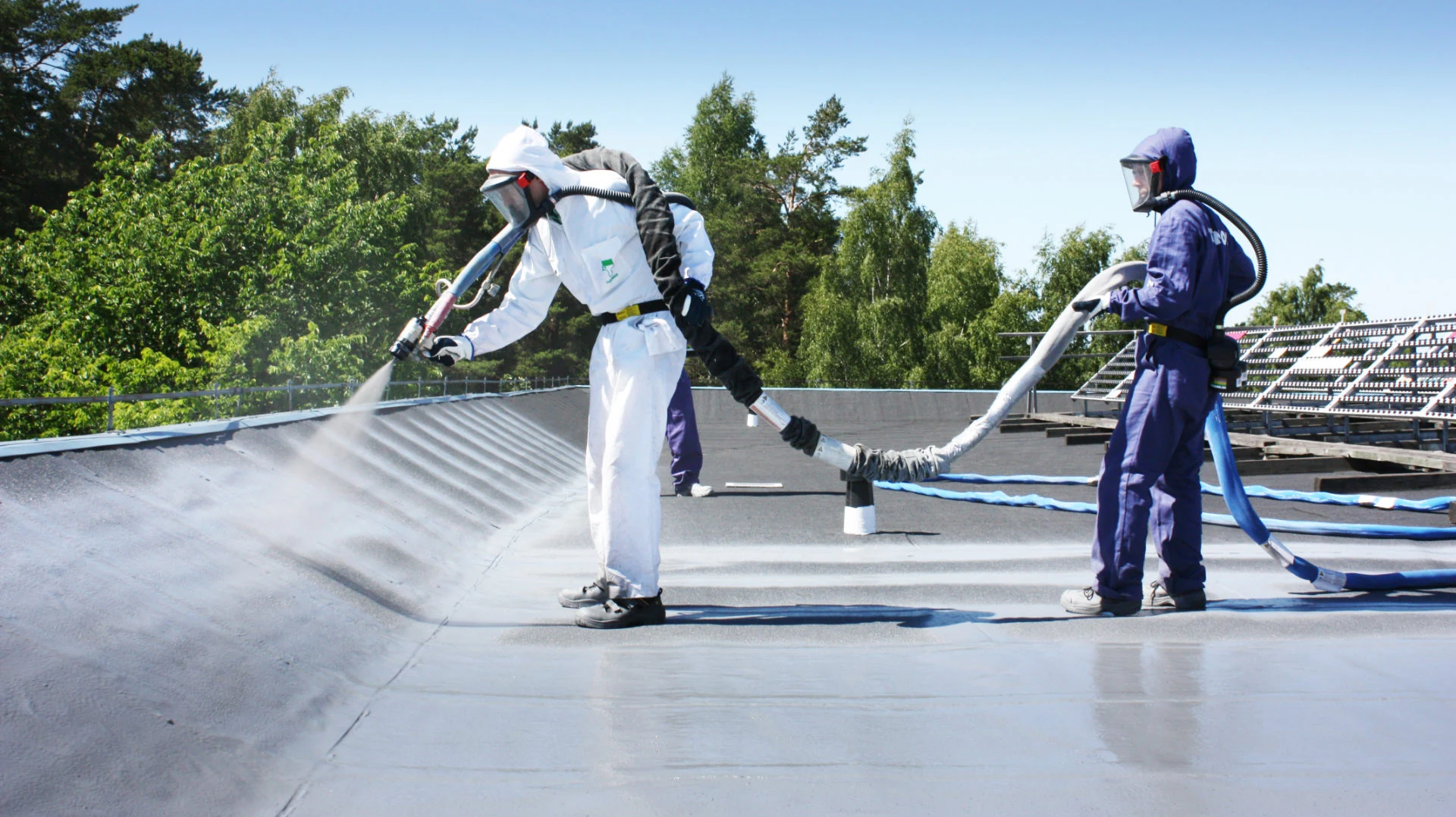
Application thickness matters as much as prep work. Coating manufacturers rate their systems for a specific dry film thickness, usually applied in two passes so any thin spots from the first coat get filled by the second. Spraying or rolling a single thin pass to save material is a common shortcut that shows up years later as premature coating failure over high points on the panel profile, exactly the areas that see the most sun and weather exposure. We measure wet film thickness during application rather than estimating coverage by eye, so the finished coating meets the rated mil thickness across the whole roof rather than only at a handful of spot checks.
What We Check Before Recommending Acrylic
- Drainage pattern and any evidence of standing water after rain or snowmelt
- Existing coating or finish condition, including chalking and adhesion
- Fastener condition on exposed-fastener metal roofs
- Seam and lap sealant condition
- Rust or corrosion spots needing individual treatment before coating
- Overall roof slope and how reliably it sheds water across the full deck
Coating as Part of a Maintenance Plan
For a lot of the retail and small commercial buildings along Miller Road and Dort Highway, an acrylic coating isn't a one-time fix so much as the first cycle of a longer-term maintenance approach — recoating on a schedule, typically every 10 to 15 years, rather than pushing toward eventual tear-off and full metal replacement. We lay out that maintenance schedule for owners up front, along with what would change the recommendation, such as developing ponding issues that would push a future recoat toward silicone instead, or fastener deterioration significant enough to need a mechanical repair pass before the next coating cycle.
Acrylic Coating Questions From Flint Owners
Why would I choose acrylic over silicone?
On a well-drained roof without ponding issues, acrylic performs comparably at a lower material cost. Silicone's advantage is specifically its resistance to sustained standing water, which isn't relevant if your roof sheds cleanly.
Does acrylic coating work on my exposed-fastener metal roof?
Yes, as long as fastener condition is addressed first. Coating over failing fasteners without treating them individually just delays a leak rather than preventing it.
How often does an acrylic coating need to be reapplied?
Typically every 10 to 15 years, depending on sun exposure and substrate condition, which is significantly less frequent than most other maintenance items on a metal roof.
Can acrylic coating be applied in cooler fall weather?
Within limits. Acrylic coatings need adequate cure time above certain temperatures before rain or freeze exposure, so we schedule application to allow a full cure window rather than rushing it ahead of an early cold snap.
What happens if I coat a roof that actually has ponding water?
The coating will degrade faster in those areas than the manufacturer's rated life suggests, which is why we recommend silicone instead on any roof with real ponding, or correcting the drainage before coating with either chemistry.
Related
Ready to review the roof scope?
Let’s Talk About Your Commercial Roof
Share the building, roof history, known leaks or damage, access constraints, and schedule. We’ll start with the roof condition and the facility below it.