
Commercial Roofing for Manufacturing Operators in Flint, MI
Roofing for Flint's Manufacturing Plants and Supplier Base
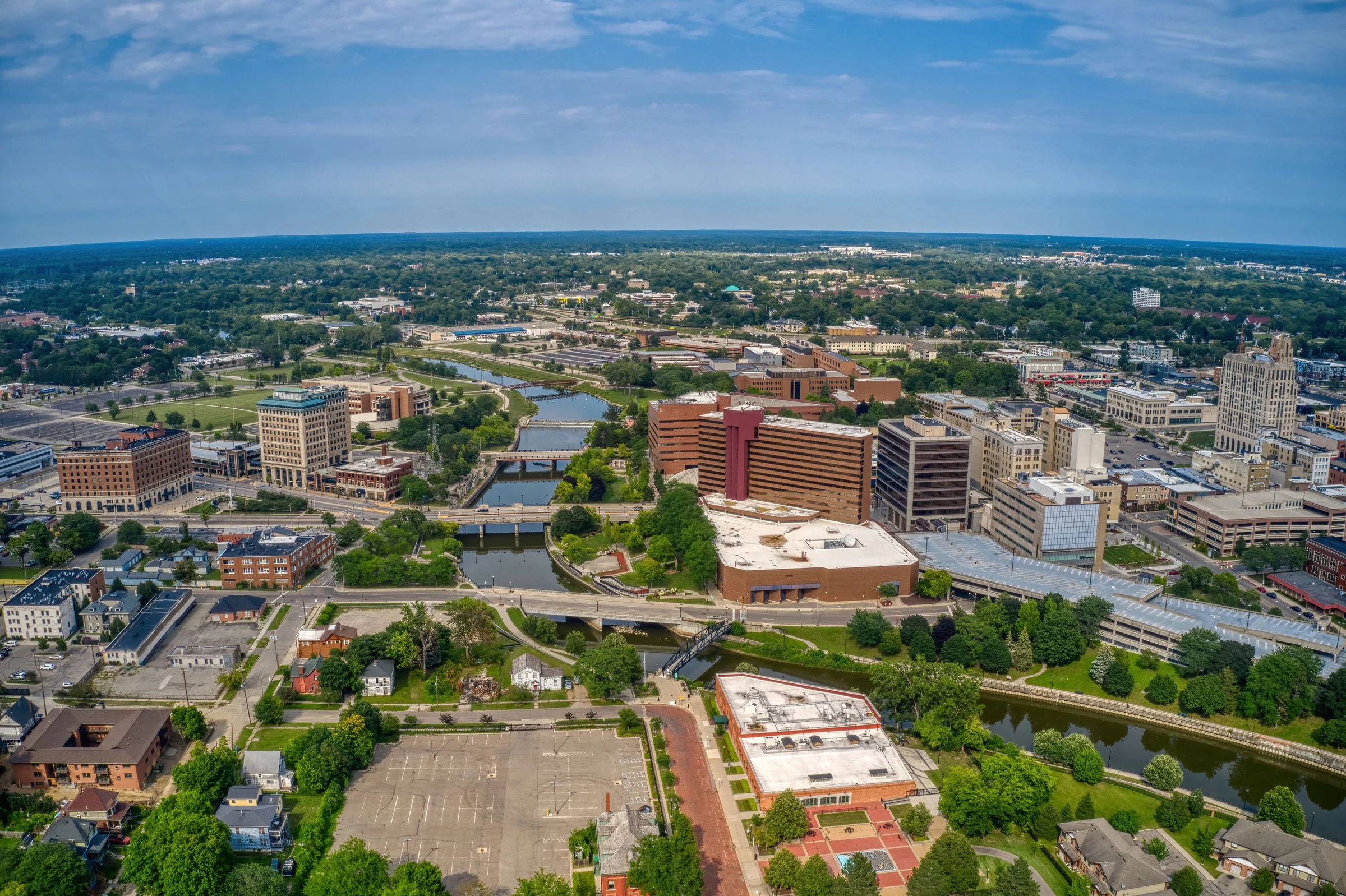
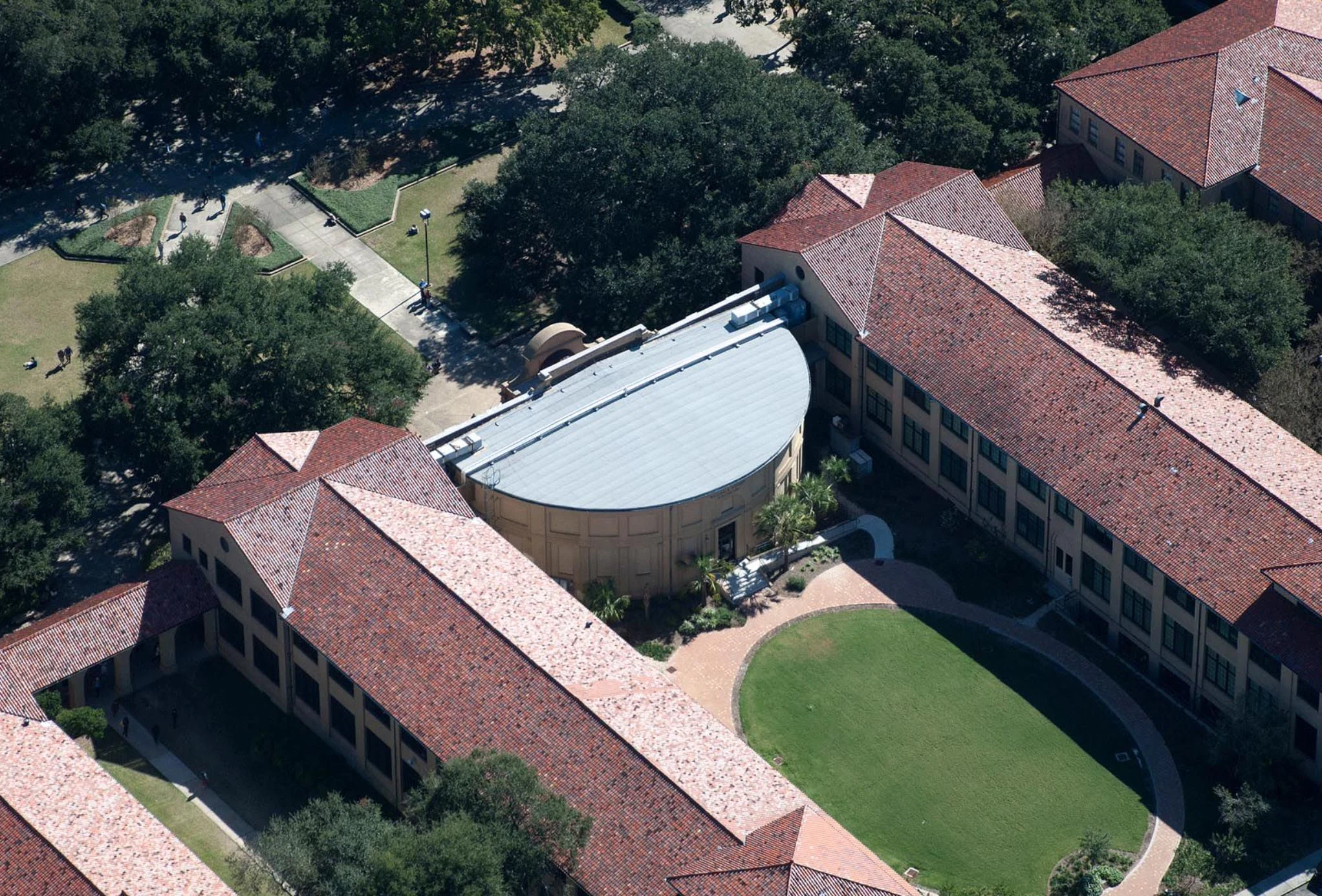
Flint's manufacturing base runs deep, from the truck and engine plants still operating along the Van Slyke and Bristol Road corridors to the tier-two and tier-three suppliers, machine shops, and logistics operations scattered through Burton, Genesee Township, and the Mount Morris Township stretch of I-75. Roofs on these buildings carry decades of rooftop equipment and rarely get replaced on a clean schedule. We handle the repair, recover, and reroofing work that keeps production dry.
Roof Systems Built for High-Bay Production Space
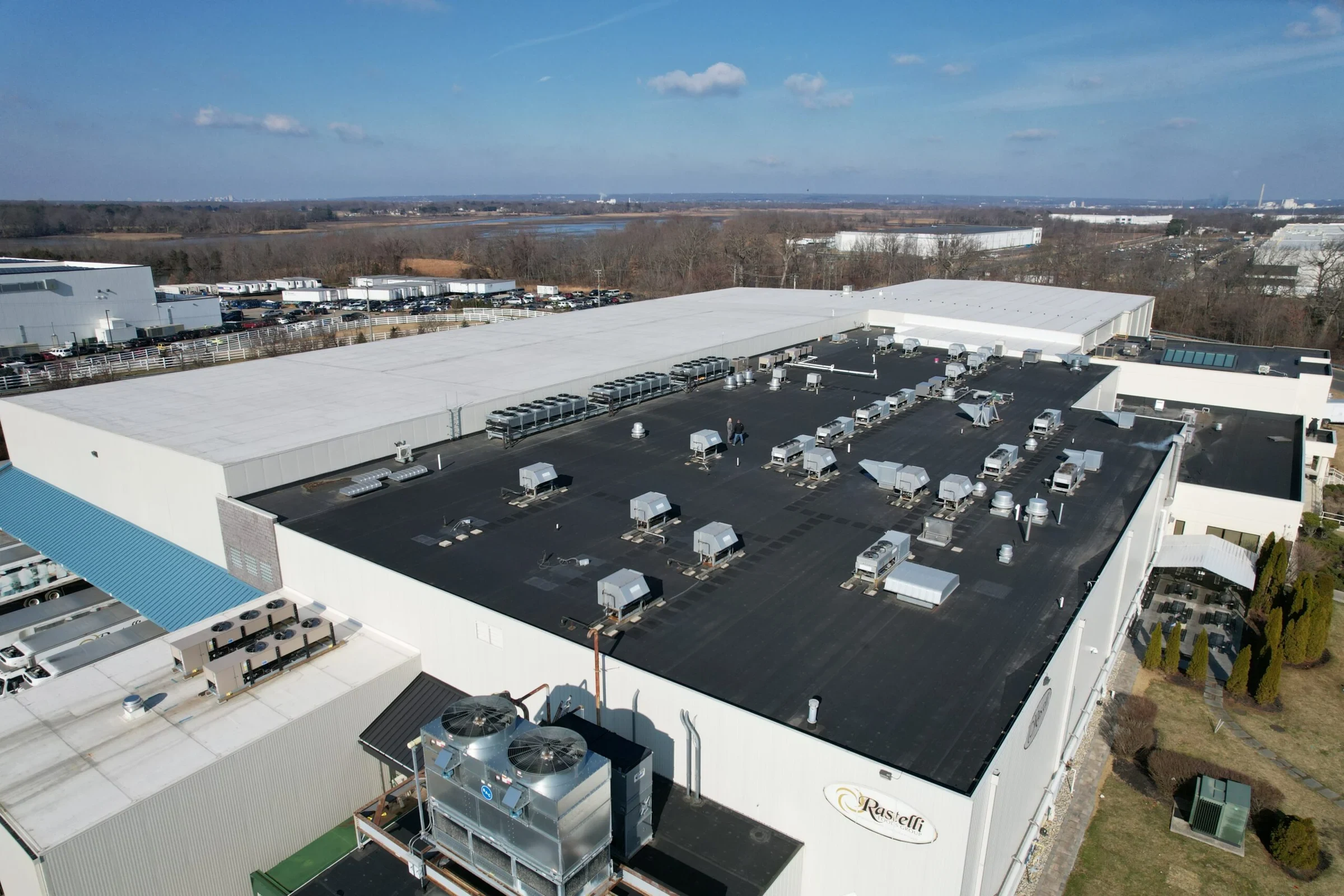
A lot of Flint's industrial roof stock is original built-up or modified bitumen, installed when these plants went up in the 1960s and 70s and patched heavily ever since. When the deck and insulation are still sound, a recover with a mechanically attached or fully adhered single-ply membrane over the existing roof is usually the more sensible path than a full tear-off, especially on buildings where shutting down for a multi-week strip-and-replace isn't an option.
Where the substrate has taken on water or the insulation has broken down, we tear off in sections rather than open the whole roof at once. Phased tear-off lets a plant keep running underneath while we complete one bay or one roof zone at a time, which matters more to a production manager than almost anything else we can offer.
Working Around Rooftop Equipment and Production Schedules
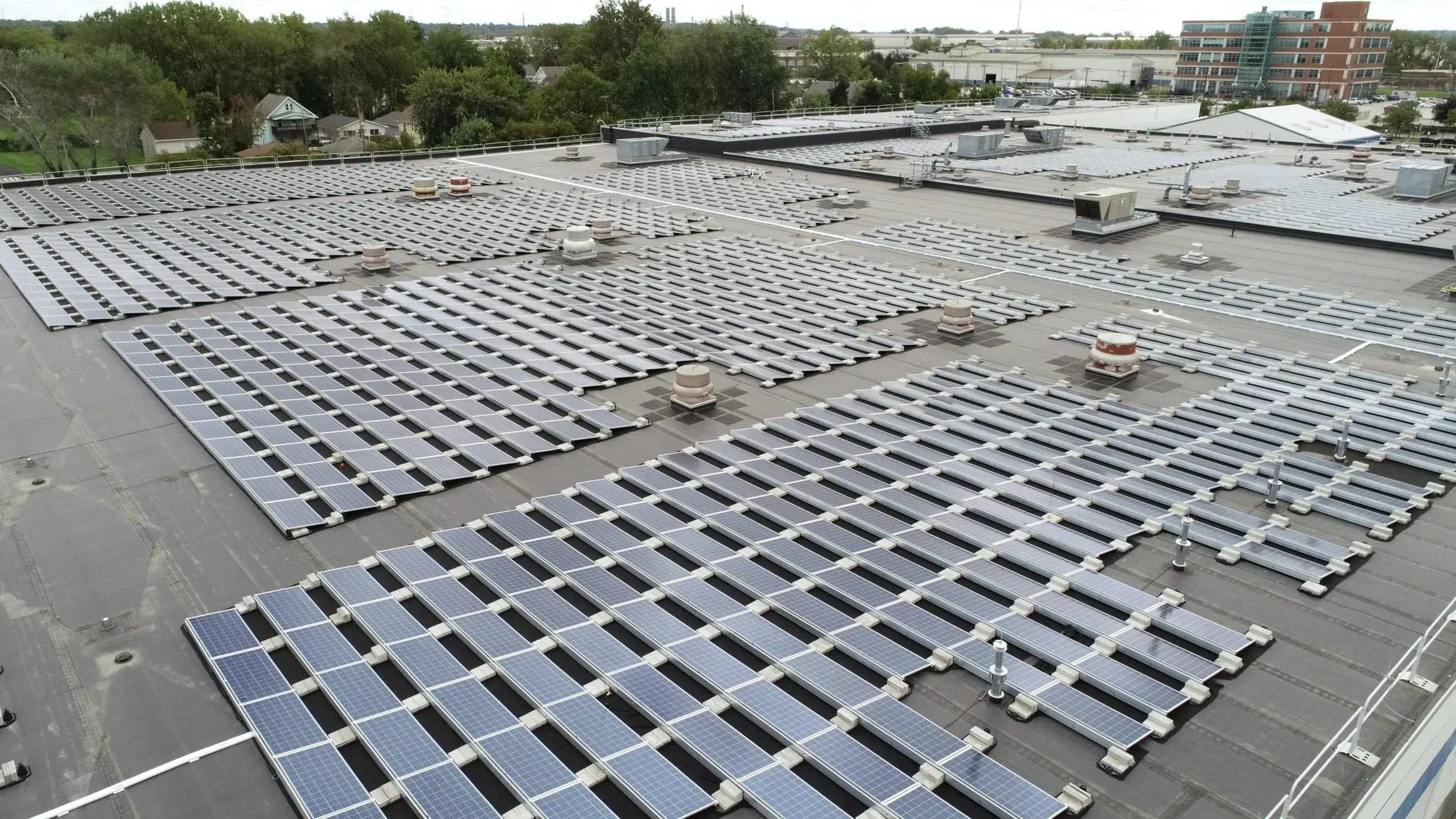
Manufacturing roofs are crowded. Exhaust stacks, makeup air units, dust collection systems, conveyor penetrations, and catwalks all interrupt what would otherwise be an open field of membrane, and every one of those penetrations is a place water can find its way in. We map equipment locations before we bid so the flashing detail at each curb is planned in advance, not improvised on the roof.
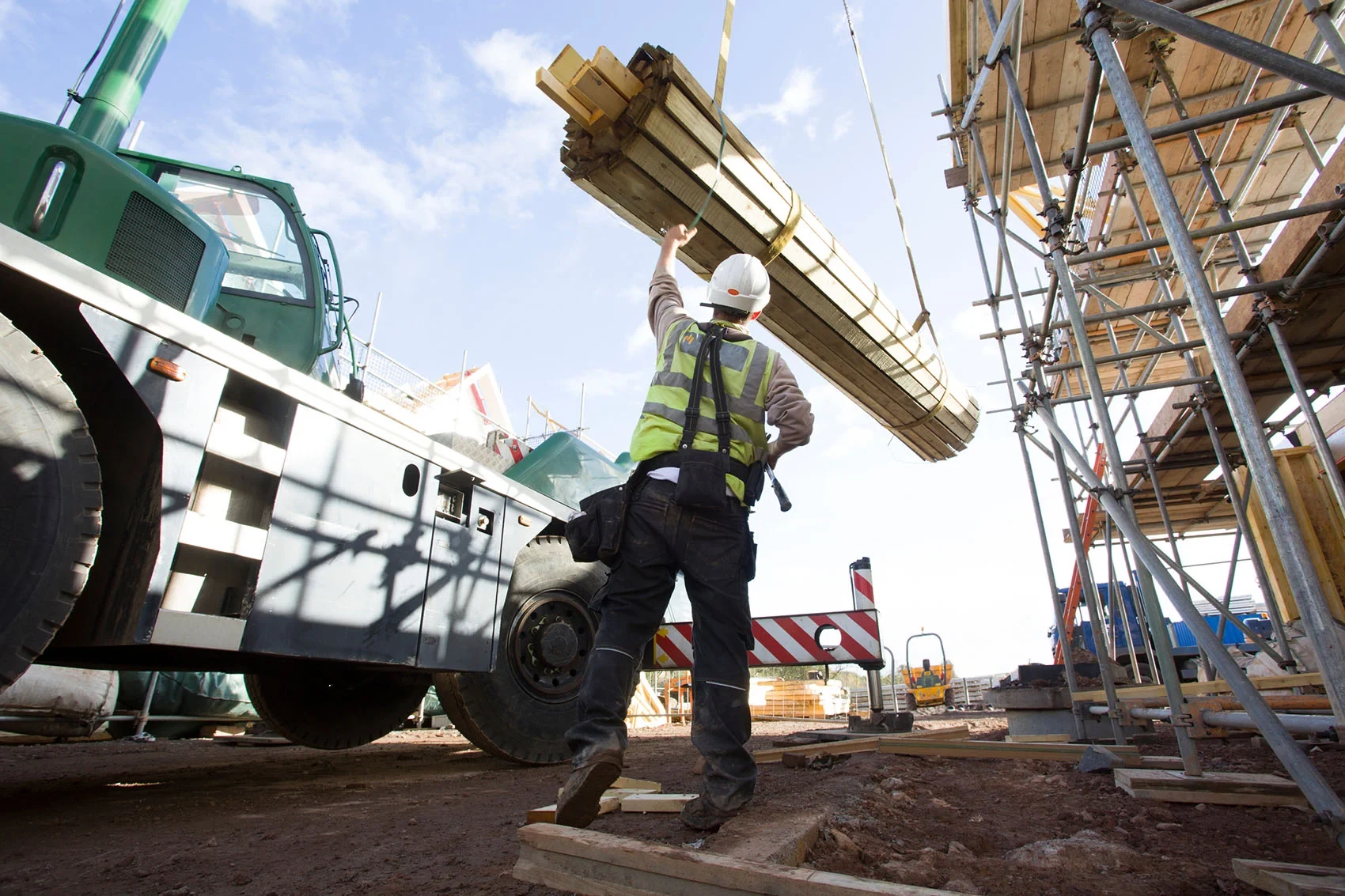
Coordination on an active plant means working around shift changes, planned production shutdowns, and the plant's own maintenance calendar. We plan hot work, crane picks, and material staging for the windows the plant tells us work, not the other way around.
- Exhaust stack and vent penetrations flashed to manufacturer detail
- Makeup air and rooftop HVAC curb coordination
- Dust collector and conveyor penetration sealing
- Catwalk and equipment platform tie-ins
- Fall protection anchor placement around fixed equipment
- Hot-work permitting coordination with plant safety staff
Freeze-Thaw Stress on Older Industrial Decks
Michigan winters put a particular kind of stress on large, flat industrial roofs. Water that ponds near a low spot or a clogged drain freezes, expands, and works into seams that were already tired. Steel deck exposed to years of that cycle corrodes from underneath, which isn't visible until a section starts to sag or a membrane starts to tent.
We check drainage slope and scupper condition on every industrial inspection, because on a roof this size, standing water is the single biggest driver of premature failure, more than UV exposure or foot traffic combined.
Serving the Supplier Ecosystem Beyond the Big Plants
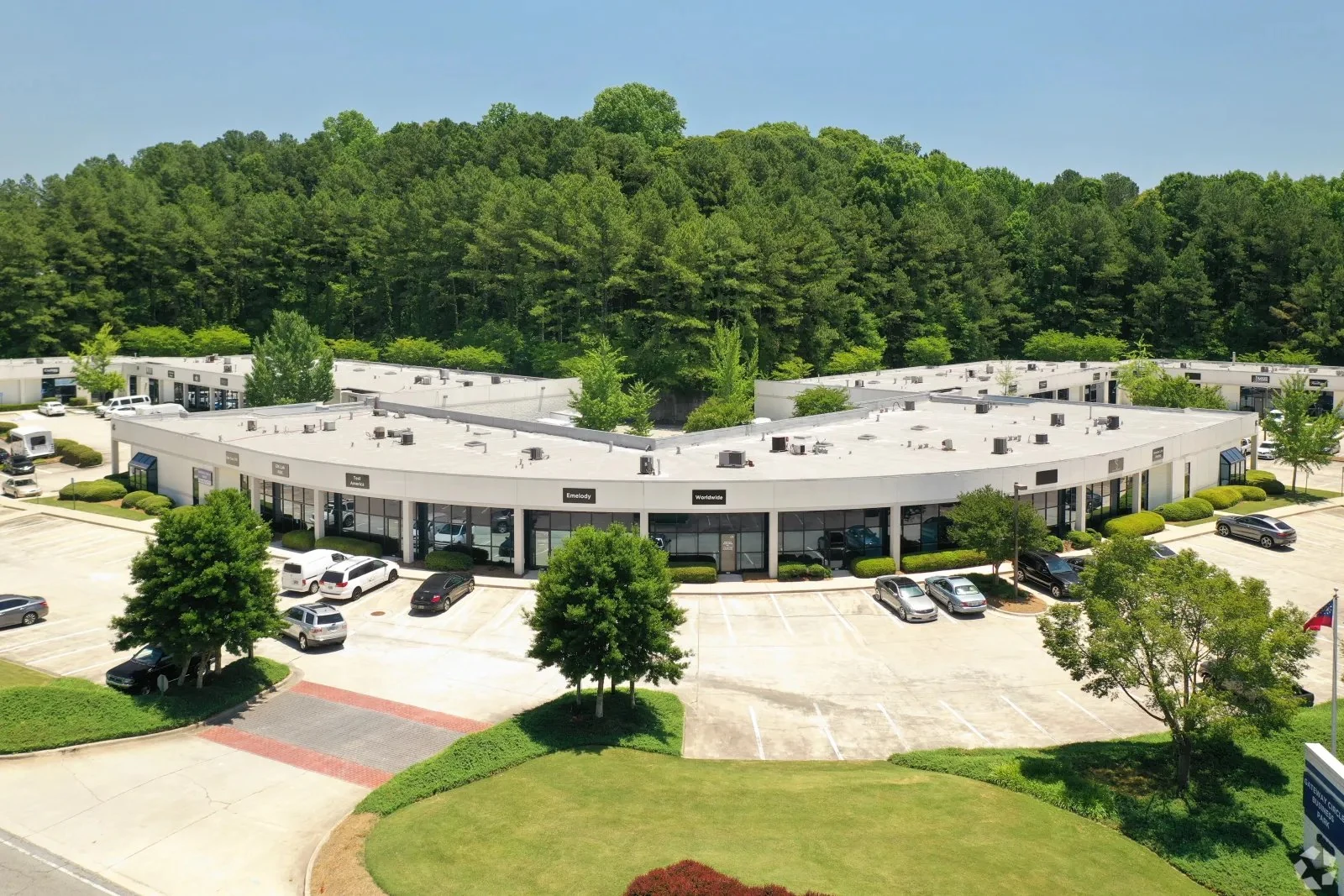
Most of the roofing calls we get from manufacturing come from the supplier network, not the assembly plants themselves: stamping shops, tooling suppliers, warehousing and logistics buildings feeding the plants, and the flex industrial space that's replaced a lot of older manufacturing square footage across the county. We're not affiliated with General Motors or any specific automaker, but we understand the building stock this industry left behind and how to work on it. Read more on our industrial and flex space roofing page.
These smaller buildings tend to be faster to schedule and more likely to need a straightforward repair or recover than a large capital project, which fits how most supplier operations budget for facilities work.
Documentation for Insurance and Capital Planning
Plant managers and facilities directors need a paper trail for their roofs: condition reports, remaining service-life estimates, and photo documentation that support both insurance renewals and capital budget requests. We build that record on every inspection, so a roof line item in next year's capital plan is backed by actual findings instead of a guess.
For multi-building operations, that documentation also gives corporate real estate or operations teams a way to compare roof condition across sites without a facilities director having to climb every ladder personally. A short written report with photos and a remaining-life estimate travels well between a plant floor and a budget meeting three states away.
Common Questions From Flint Plant and Facilities Managers
Can you reroof a section of our plant while the rest keeps running?
Yes. Phased work by bay or roof zone is standard practice on occupied industrial buildings, and we plan material staging and crane access to avoid production areas still running underneath us.
Is a recover ever a bad idea on an old built-up roof?
If the deck has corroded or the insulation is saturated, recovering over it just traps the problem. We probe and cut test sections before recommending recover over full tear-off.
How do you handle hot work near production equipment?
We follow the plant's own hot-work permitting process, including fire watch requirements, and coordinate torch or kettle work with plant safety staff before it happens.
Do you work with suppliers as well as larger manufacturers?
Most of our manufacturing calls come from the supplier and logistics side, not the largest assembly plants. Smaller industrial buildings make up a big part of what we do.
Can a roof condition report help with our insurance renewal?
Photo documentation and a written condition assessment are useful when an insurer asks about roof age or condition at renewal, though we don't control what an underwriter ultimately decides.
Related
Ready to review the roof scope?
Let’s Talk About Your Commercial Roof
Share the building, roof history, known leaks or damage, access constraints, and schedule. We’ll start with the roof condition and the facility below it.