
TPO Single-Ply Roofing in Flint, MI

TPO for the Warehouses Filling Flint's Old Industrial Buildings
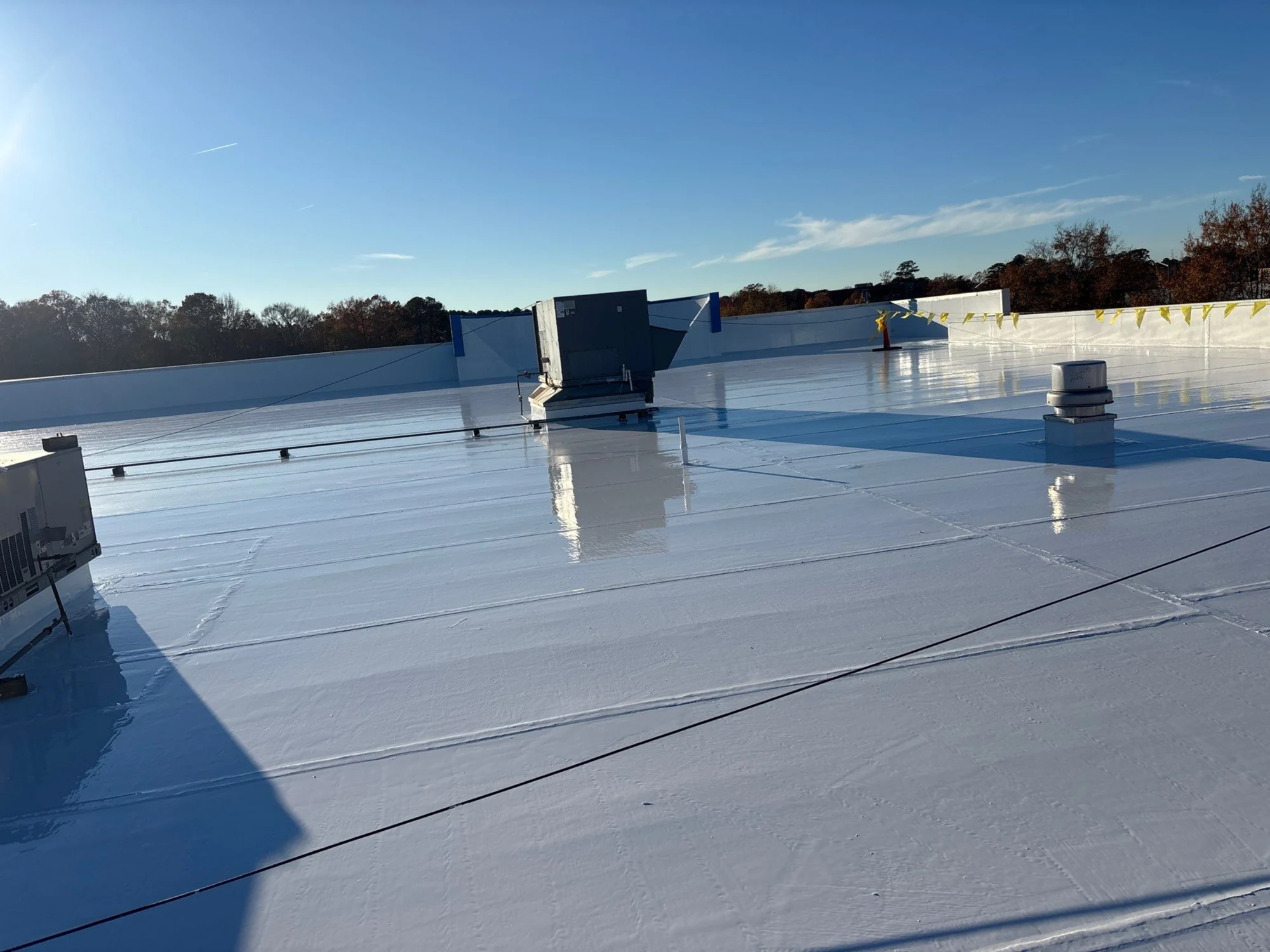
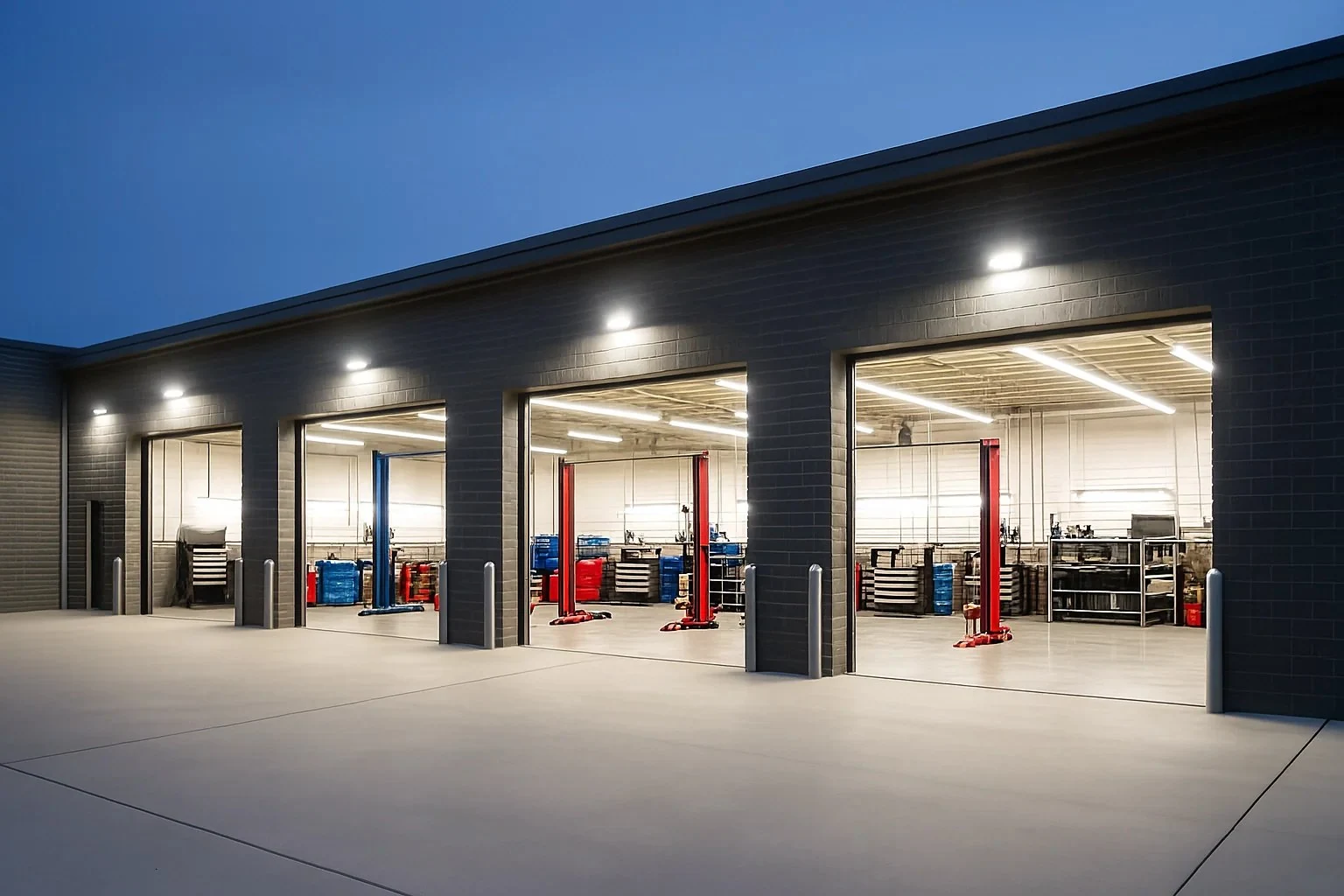
A lot of the TPO work we do in Genesee County is on buildings that weren't originally warehouses at all — former manufacturing space repositioned as distribution and light-industrial around Flint Township, Bishop Airport, and the corridors leading out to I-75 and I-69. TPO fits that market because it's a practical single-ply system that installs relatively fast over a large, low-slope deck, which is exactly what these converted buildings need.
Why TPO Shows Up So Often in Flex-Space Conversions
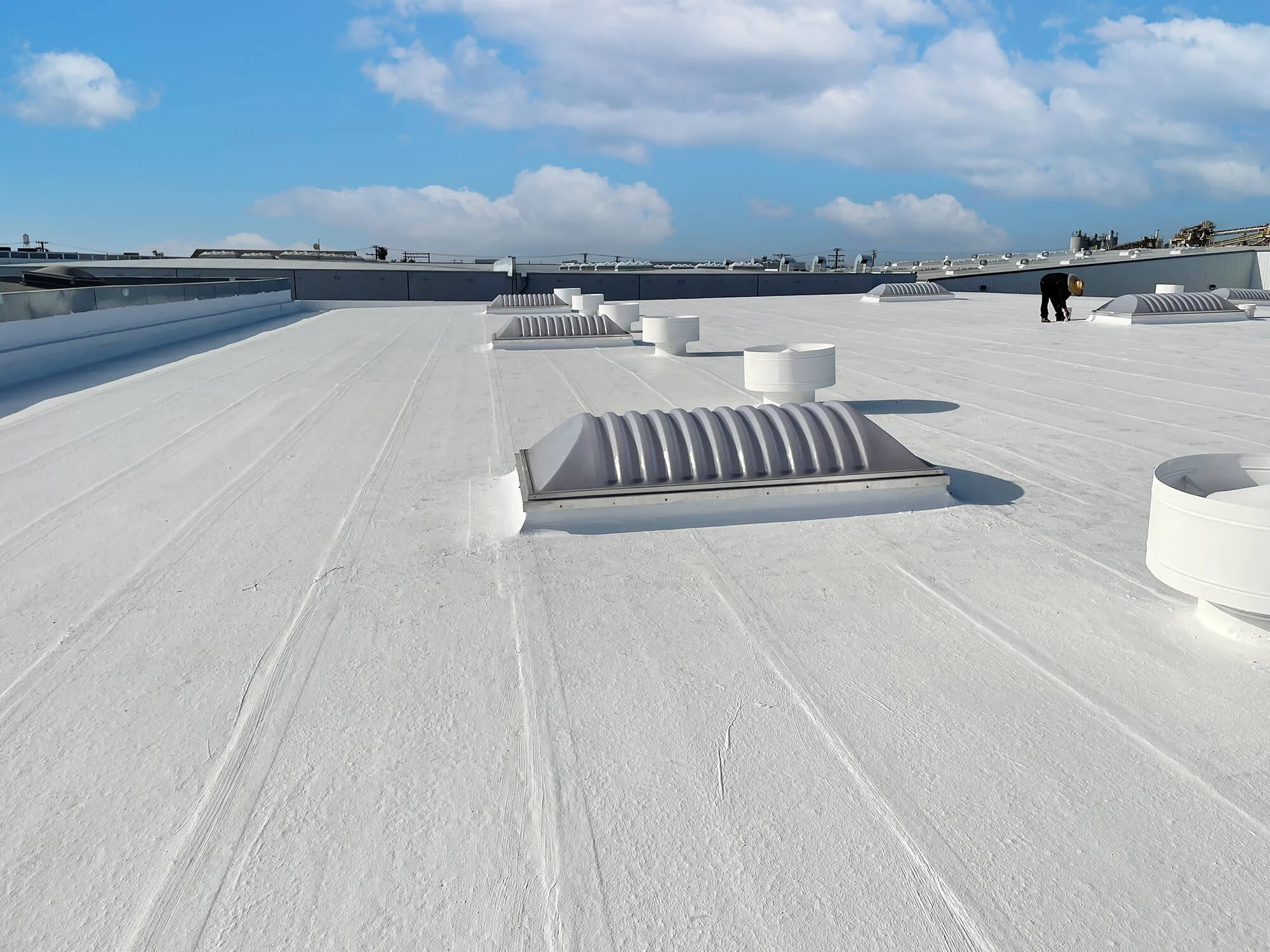
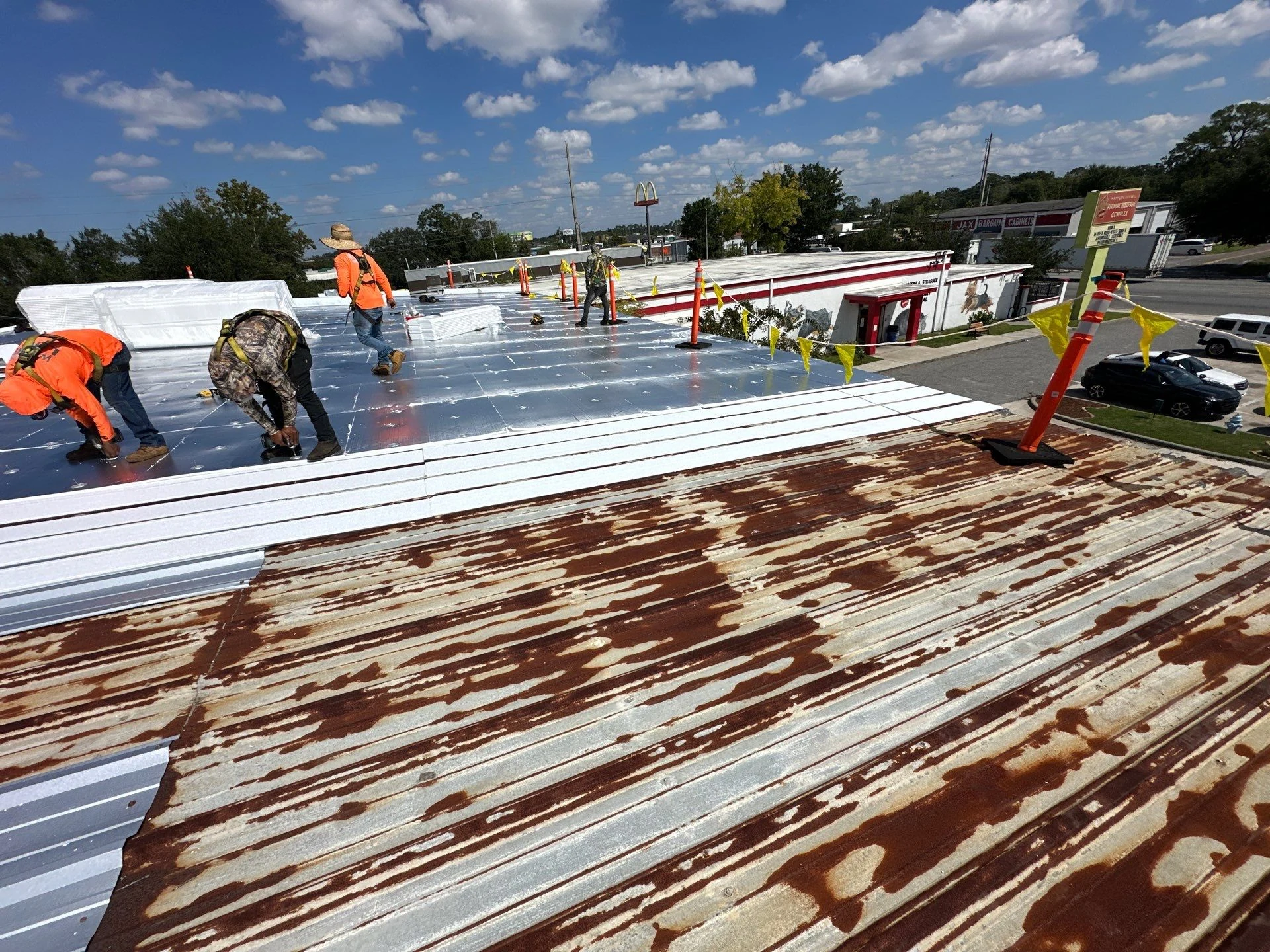
When a former plant building gets repositioned as leasable warehouse or flex space, the roof usually needs to change along with the use. Old built-up sections that were fine over a production floor often aren't rated for the drainage demands of a fully loaded warehouse deck, and owners converting these buildings are working on a lease-up timeline, not an open-ended one. A TPO recover or new install over insulation gives them a membrane that's welded rather than adhered or mopped, and a reflective white surface that cuts summer rooftop heat load over the mechanical units tenants depend on.
We size the insulation package to the building's actual R-value gap rather than installing a standard thickness across the board. A lot of these older decks were built with minimal or no rigid insulation, since the buildings were heated industrial space, not conditioned office or retail. Bringing that assembly up to a workable insulation value matters as much as the membrane itself once tenants start asking about utility costs.
Seam Welding in Genesee County Winters
TPO seams are hot-air welded, and weld quality depends on temperature and membrane condition at the time of installation. We don't push welding in marginal cold or wet conditions just to hit a schedule — a seam that isn't fully fused shows up as a leak the first time meltwater sits against it during a spring thaw. On late-season jobs we plan around daytime temperature windows and test welds continuously rather than spot-checking at the end.
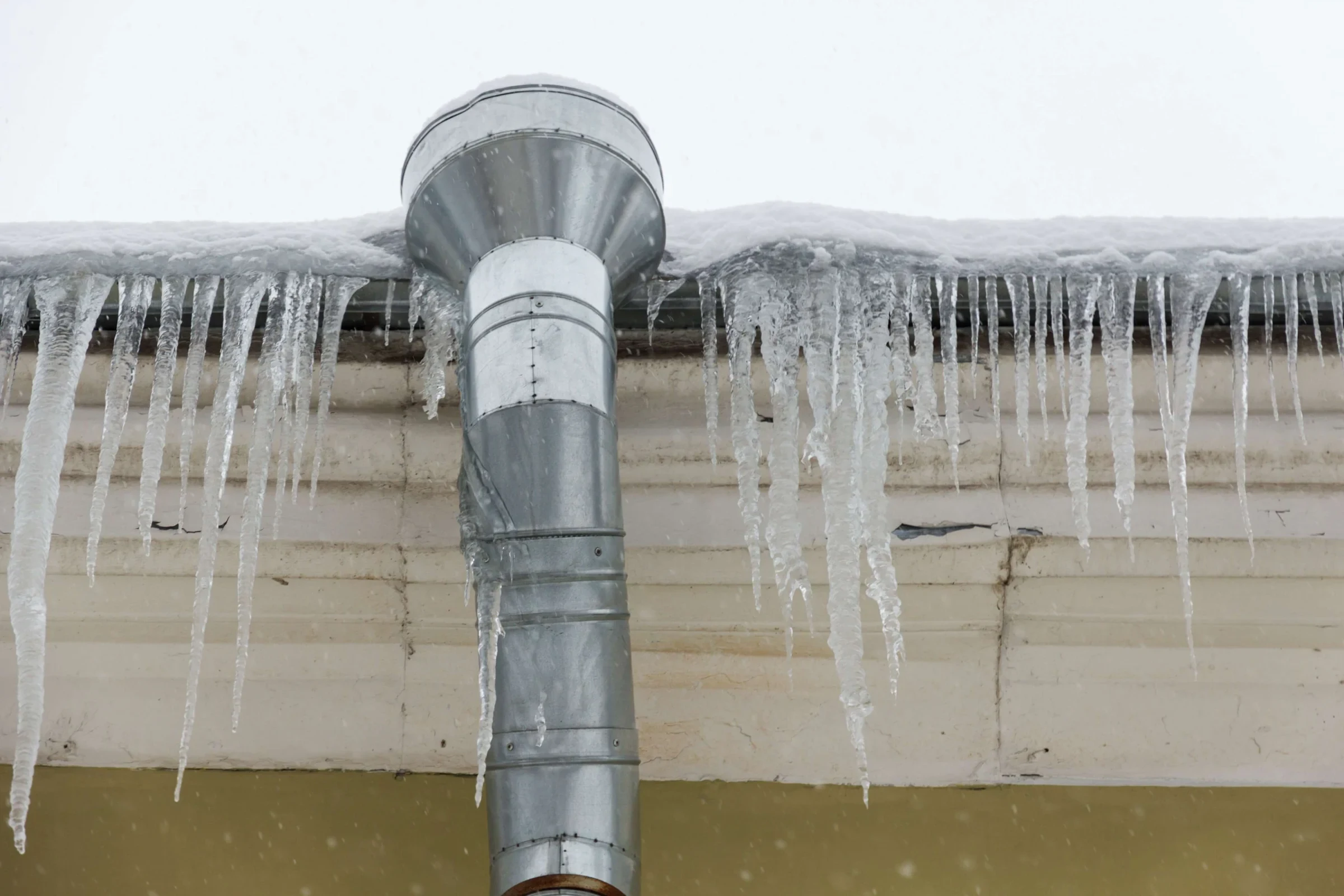
Freeze-thaw cycling is hard on any seam over time, welded or not, because the membrane itself expands and contracts with temperature swings that happen fast in Michigan — a 40-degree day followed by a hard freeze overnight is normal from November through March. A properly fused TPO seam handles that movement better than an adhered lap on an older single-ply system, which is one reason we see TPO holding up well on buildings that get inspected and maintained on a regular cycle.
Mechanically Attached Versus Fully Adhered
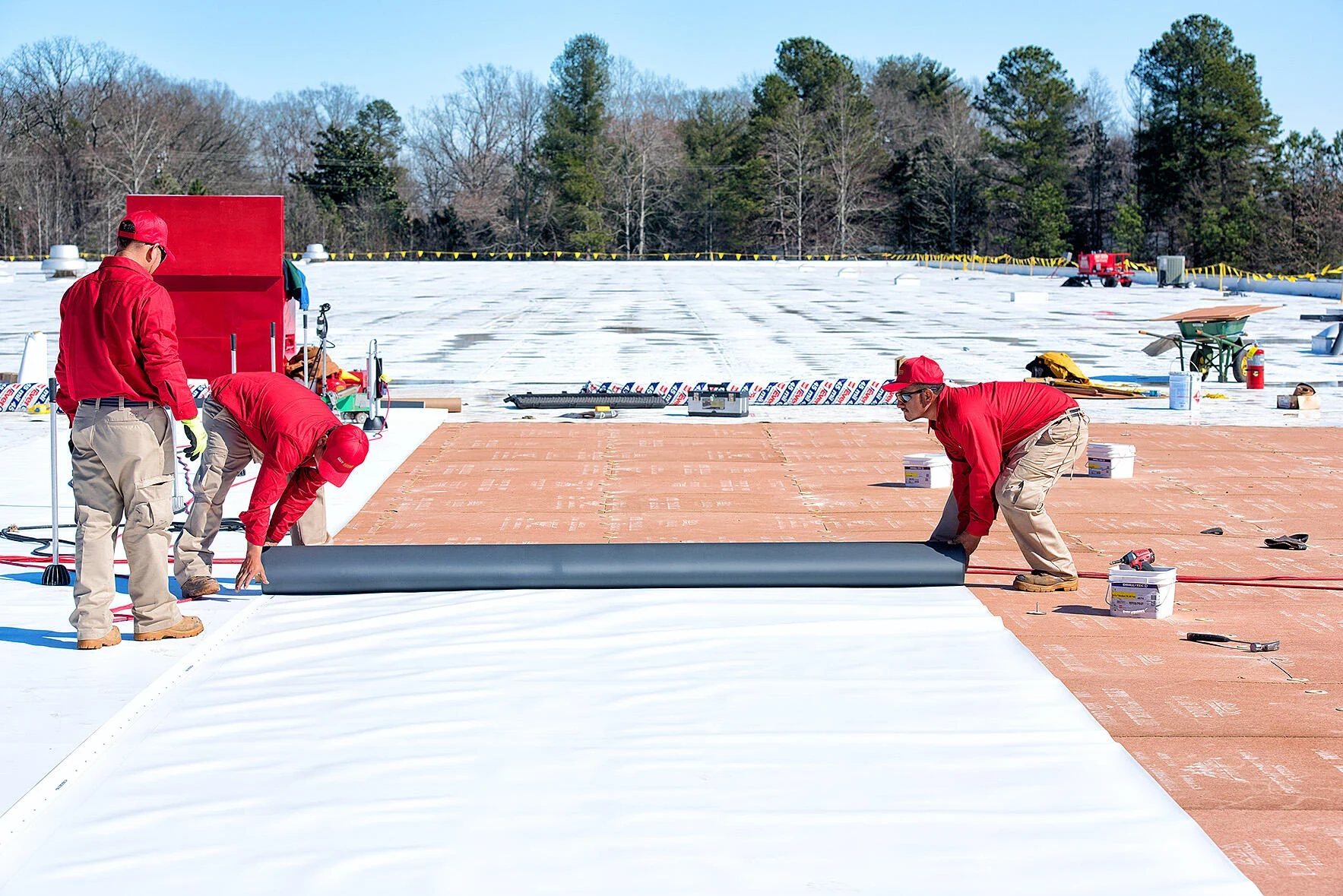
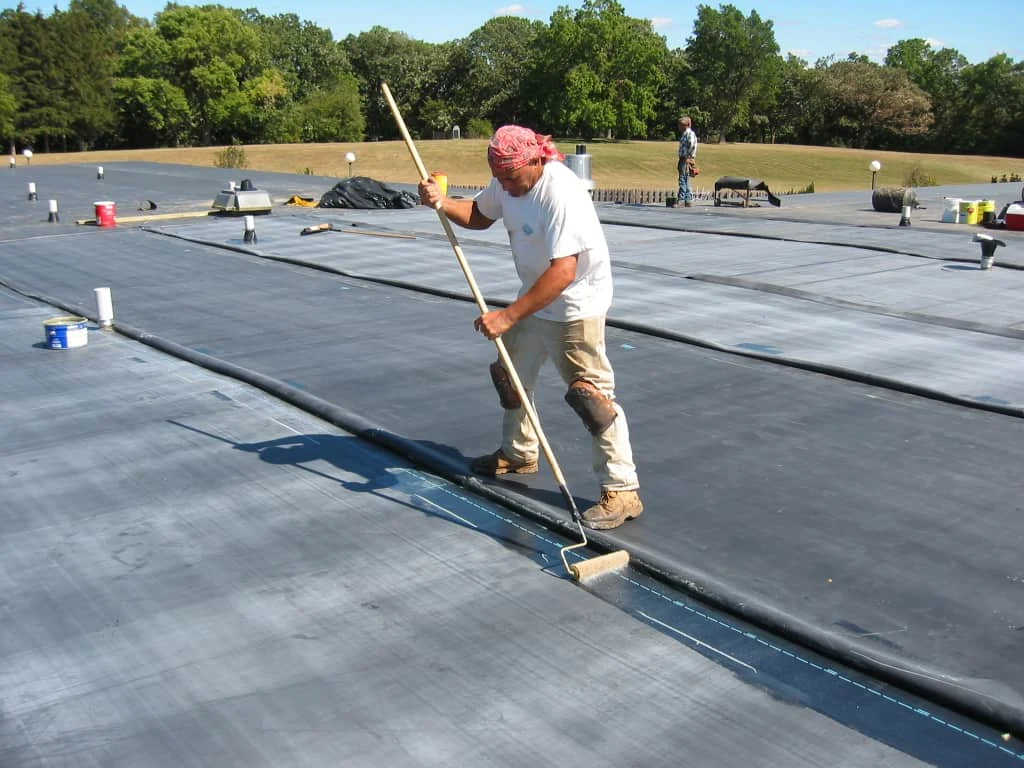
Most of the TPO we install on converted warehouse buildings is mechanically attached, fastened through the insulation into the deck below, since it's the more economical approach on the large, simple roof areas typical of these buildings. Fully adhered systems bond the membrane directly to the substrate with less reliance on fasteners, which reduces the number of penetration points but costs more in labor and adhesive. On buildings with a lot of rooftop equipment or unusual deck conditions, we lean toward fully adhered for the reduced fastener count; on straightforward large-format warehouse roofs, mechanically attached usually gets the owner comparable performance for less money.
What We Check on an Existing TPO Roof
- Seam integrity at T-joints and field splices, where movement stress concentrates
- Membrane condition around rooftop units and curbs added after original install
- Drain and scupper condition, especially on decks with known ponding areas
- Flashing at parapet walls, where ice dam pressure is highest
- Fastener backout on mechanically attached systems after repeated freeze cycles
- Signs of foot-traffic wear near HVAC service paths
Repair Versus Recover on Aging TPO
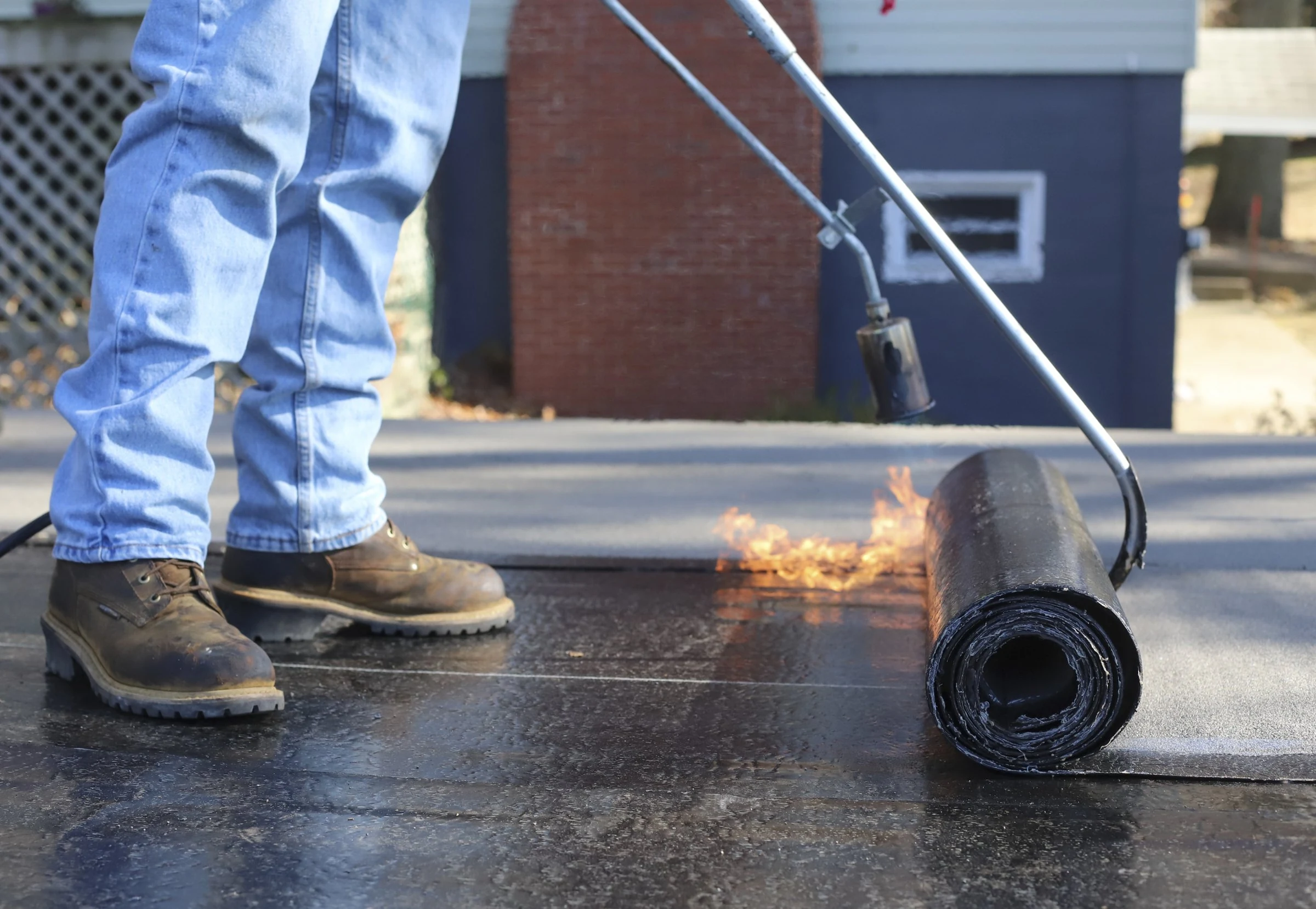
Because so much of the commercial stock here is older, we spend a lot of time on the repair-versus-recover call rather than a clean new install. A TPO roof in year 12 or 15 with isolated seam failures and good field membrane is often a strong candidate for targeted seam repair and a fresh coat of attention, not a full tear-off. One with widespread membrane degradation, especially around rooftop penetrations added piecemeal over the years by different tenants, usually needs a recover or full replacement to stop the leak pattern instead of chasing it point by point.
We document that assessment with photos and a written condition report so an owner can weigh the numbers against a lease term or a capital budget cycle, rather than making the call off a verbal opinion during a single site visit. See our page on recover and overlay options for how that decision typically plays out on older buildings.
Questions We Get About TPO in Flint
Does TPO work over an old built-up roof without a full tear-off?
Often yes, as long as the existing BUR is dry, structurally sound, and not holding standing water. We evaluate moisture content before recommending a recover so we're not sealing wet insulation under a new membrane.
How does TPO handle heavy wet snow loads?
The membrane itself isn't what carries structural load, but a welded TPO system sheds meltwater cleanly through drains and scuppers as long as they're kept clear, which limits the ponding that stresses seams during freeze-thaw cycling.
What's the typical service life on a TPO roof here?
Manufacturer warranties commonly run 15 to 20 years, but real-world life depends heavily on installation quality and how consistently the roof gets inspected. We've seen well-maintained TPO systems in this market outperform that on the field membrane while still needing targeted seam attention.
Can you install TPO in cold weather?
We can, within limits. Welding quality drops outside the membrane manufacturer's temperature range, so we schedule cold-weather work around the warmest part of the day and test every weld rather than assuming conditions were consistent across the roof.
Is white TPO worth it if the building isn't air conditioned?
Even in unconditioned warehouse space, a reflective membrane reduces deck temperature swings, which slows thermal cycling stress on the membrane and fasteners. That's a durability benefit as much as a cooling-cost one.
Related
Ready to review the roof scope?
Let’s Talk About Your Commercial Roof
Share the building, roof history, known leaks or damage, access constraints, and schedule. We’ll start with the roof condition and the facility below it.