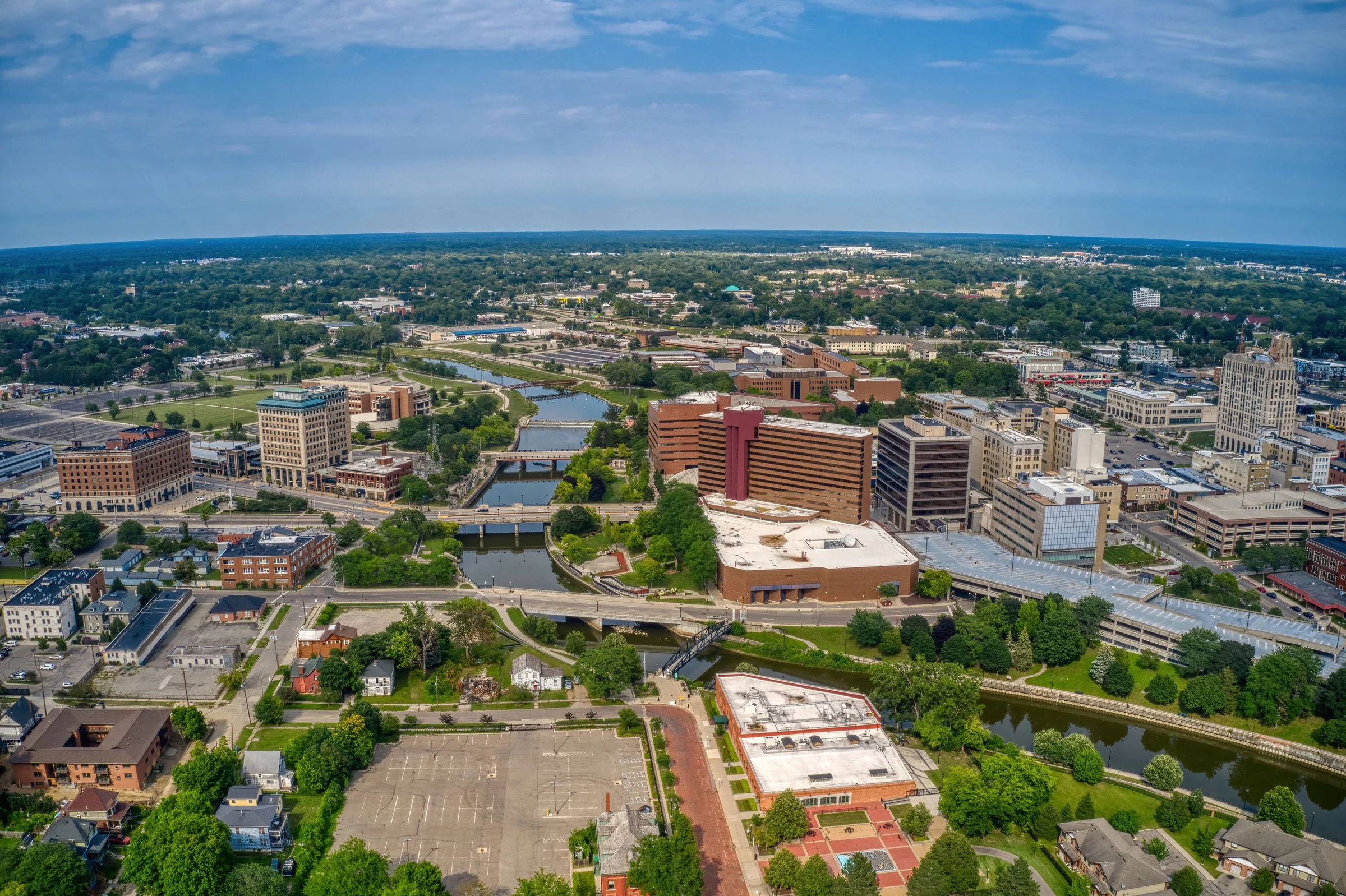

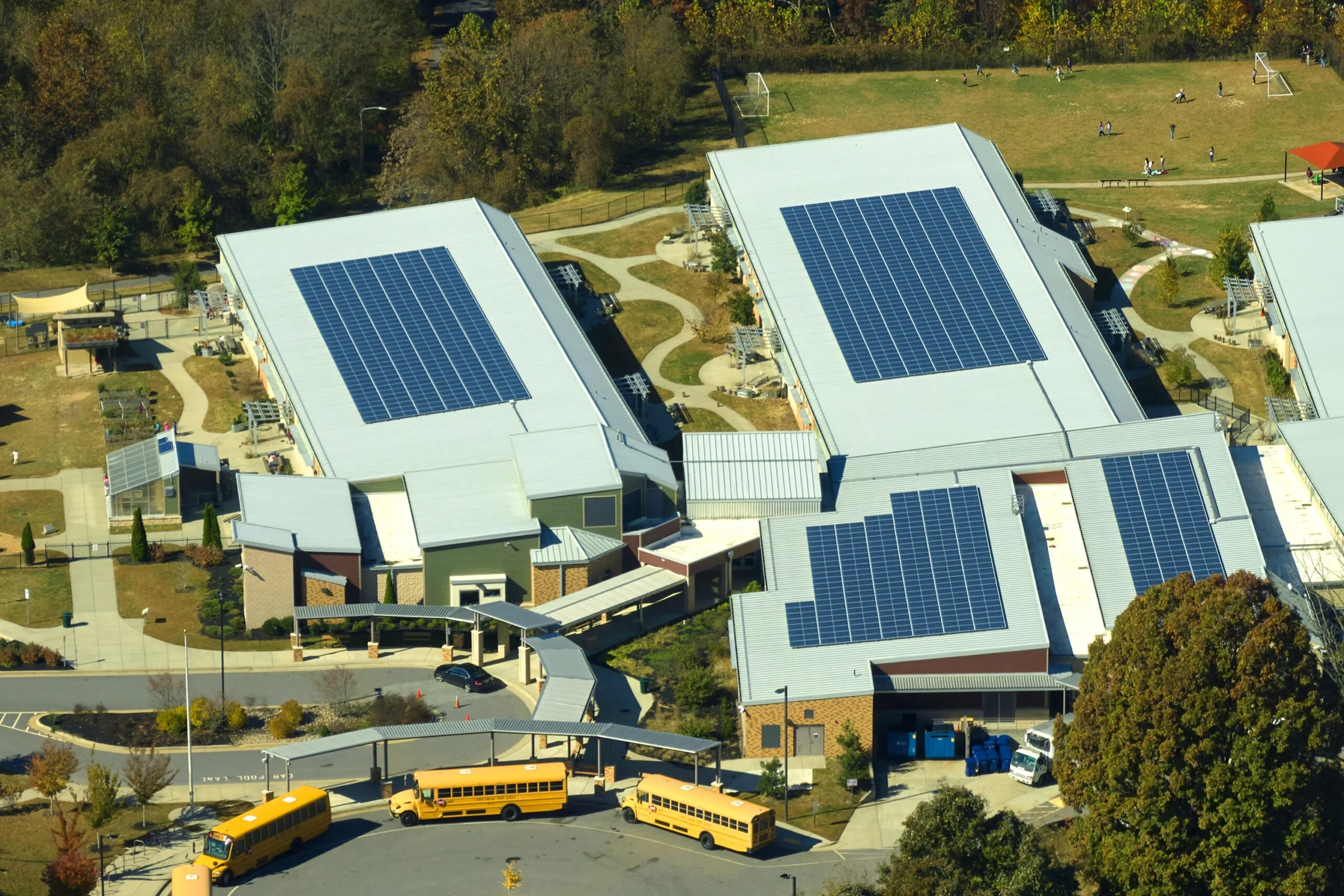
K-12 School Roofing in Flint, MI
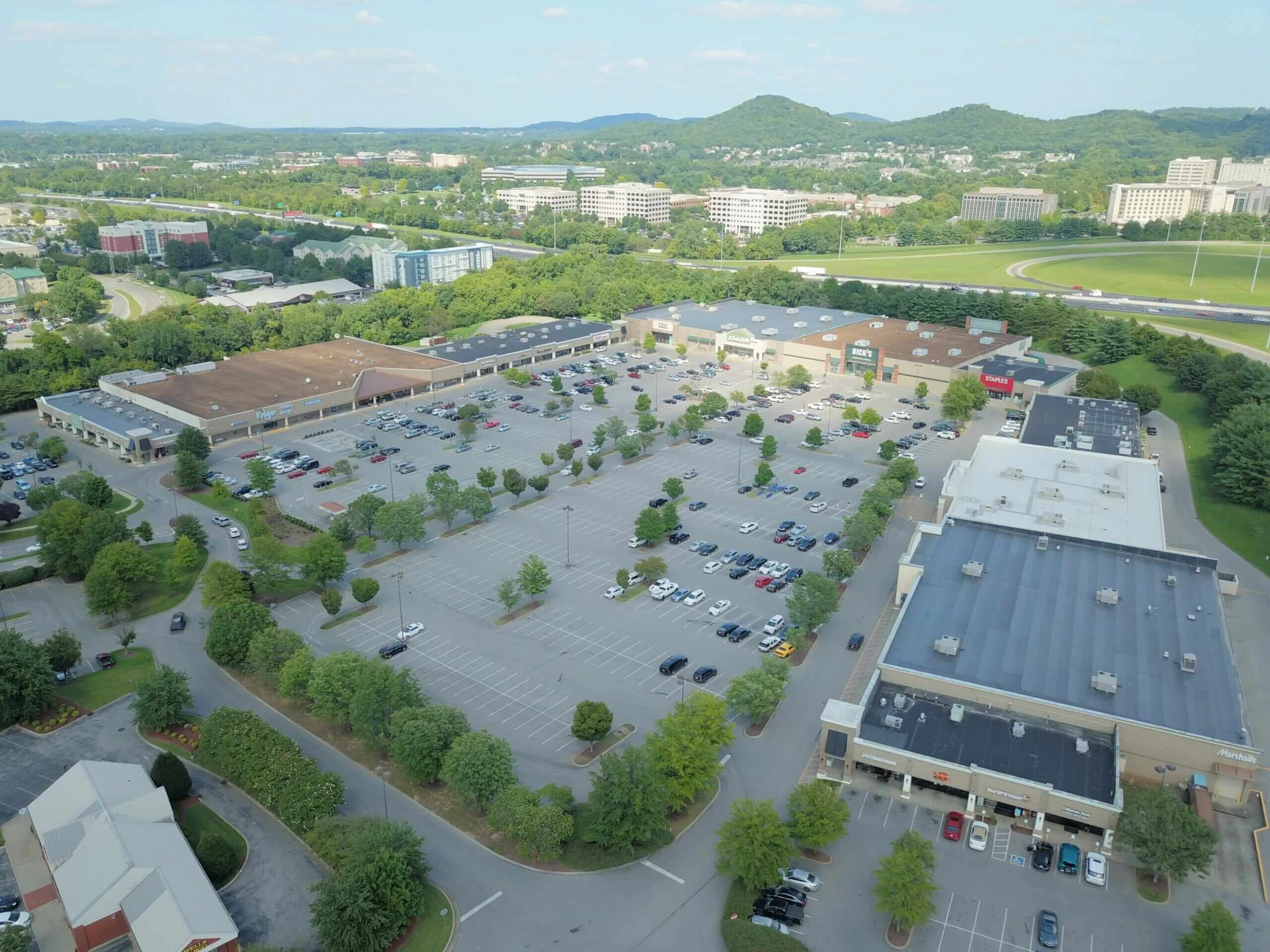
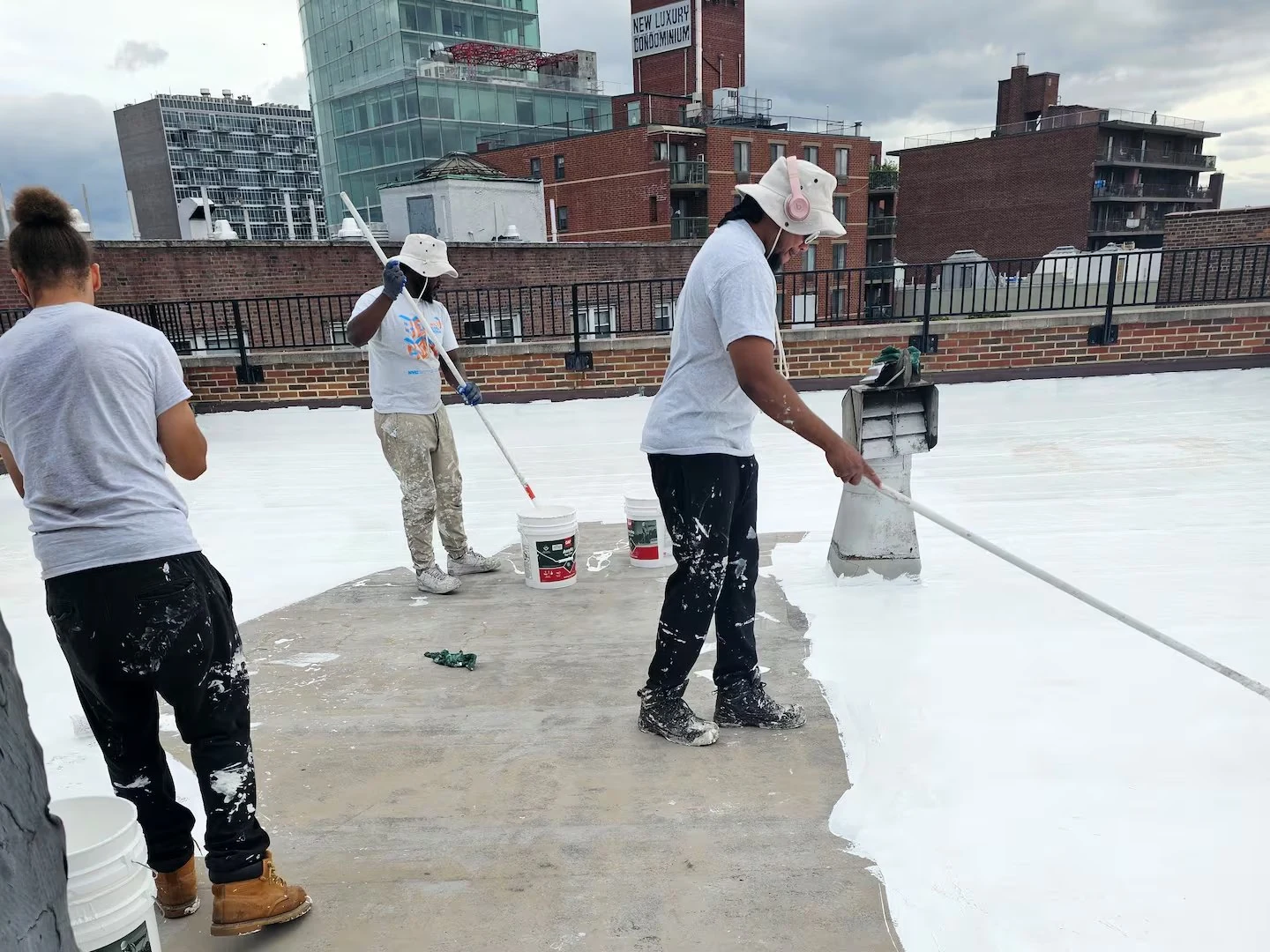
Roofing Work Timed to Genesee County's School Calendar
Districts across Genesee County — Grand Blanc, Davison, Carman-Ainsworth, Kearsley, Swartz Creek, Lake Fenton, Beecher, and the smaller districts around Clio, Montrose, and Linden among them — all share the same basic constraint: roof work has to happen when students aren't in the building. We plan school roofing projects around that reality first, then build the technical scope around it.
Summer Break Is the Whole Season
For most district buildings, the window between the last day of school and the start of pre-season staff days in August is the only realistic stretch for a full re-roof or major recover project. That's a tighter window than most commercial clients work with, and it means we start scoping and scheduling summer projects well before school lets out, not after. Winter and spring breaks give us shorter windows for smaller sections or emergency repairs, but we don't count on them for anything requiring more than a few days of open roof.
Where a project genuinely can't finish inside a single summer, we phase it by building or by roof section across multiple summers rather than pushing into the school year, since active tear-off work isn't something we want happening over occupied classrooms regardless of the noise mitigation involved.
Districts running summer school or summer athletic camps add another wrinkle to that window, since a building assumed fully empty in July might still have a gym or a wing in active use. We confirm summer program schedules with each district before locking in dates rather than assuming the calendar we're handed covers every use of the building.
Gymnasiums, Auditoriums, and the Roofs Built to Span Them
School gymnasiums and auditoriums typically have the widest roof spans in the building, built with structural systems specific to covering that much open space without interior columns. Those roofs age and move differently than the roof over a standard classroom wing, and they're often the section of an older school building most likely to be original to construction decades ago. We evaluate gym and auditorium roofs separately from the rest of a school's roofline for that reason, since a district's classroom wing roof and gym roof can be at very different points in their service life even on the same building.
What We Check on School Building Roofs
- Gymnasium and auditorium roof spans, often the oldest section of the building
- Cafeteria and kitchen exhaust penetrations and grease containment
- Roof tie-ins at portable or modular classroom additions
- Rooftop HVAC serving classroom wings, a common source of past patch work
- Drain and scupper capacity, especially on flat-roofed elementary buildings
- Condition of walkway pads near frequently serviced rooftop equipment
Cafeteria and Kitchen Exhaust — a Recurring Leak Source
Kitchen exhaust penetrations show up as a leak source more often than almost anything else we find on school buildings. Grease-laden exhaust degrades standard flashing materials faster than normal HVAC exhaust does, and cafeteria roofs tend to see more equipment changes over the years as food service programs update their kitchens. We flash kitchen exhaust penetrations with materials suited for that exposure and check them specifically during any school inspection, since a cafeteria leak during a school day creates a food-safety and operations problem well beyond the roof itself.
Modular and portable classroom tie-ins raise a related issue: the connection between a portable unit's roof and the main building's roofline is rarely a clean, original detail, and it's often where we find water working its way in on schools that have added portables over the years to manage enrollment shifts.
Bond Projects and Multi-Building Planning
Several districts in this area fund major roofing work through bond issues covering multiple buildings at once, which changes how we approach scoping compared to a single-building commercial project. We provide condition assessments across an entire district's building portfolio when that's useful for bond planning, prioritized by which roofs are closest to failure versus which ones have years of service life left, so a district can sequence work across a bond's funding timeline instead of guessing at priority.
Bond timelines also mean roof projects sometimes get scoped a year or more before construction actually starts, and conditions on the ground can shift in that gap. We recommend a follow-up walk shortly before a bond-funded project mobilizes, since a roof scoped as a recover candidate eighteen months earlier can develop new issues worth folding into the same mobilization rather than addressing as a separate call later.
What Genesee County District Facilities Directors Ask
Can you complete a full re-roof within a single summer break?
For most single-building projects, yes, if we're scoped and scheduled early in the spring. Larger multi-building bond projects usually need to phase across more than one summer.
Do you provide district-wide condition assessments for bond planning?
Yes. We can evaluate multiple buildings and prioritize findings to support a bond issue or multi-year capital plan.
How do you handle kitchen exhaust and cafeteria roof sections?
We flash those penetrations with materials suited for grease exposure and inspect them as a standalone item, since they fail faster than standard HVAC penetrations.
Can you work around a shortened winter or spring break window?
For smaller repairs or a single roof section, yes. We wouldn't recommend a full tear-off inside a break that short.
Do gym and auditorium roofs need different attention than classroom wings?
Often, yes. Those roofs are frequently original to the building and span differently structurally, so we evaluate them separately from the rest of the roofline.
Related
Ready to review the roof scope?
Let’s Talk About Your Commercial Roof
Share the building, roof history, known leaks or damage, access constraints, and schedule. We’ll start with the roof condition and the facility below it.