

Snow and Ice Damage Insurance Claims for Flint Commercial Roofs

Snow and Ice Damage Insurance Claims for Flint Commercial Roofs
Mid-Michigan winters don't do commercial roofs any favors. A heavy snow load sits on a flat or low-slope roof for weeks, melts and refreezes at the edges, and by the time an owner notices water staining a ceiling tile in February, the damage pattern is already layered: this year's freeze-thaw cycling on top of last year's, on top of whatever the roof was already dealing with before winter started. Sorting that out for an insurance claim takes more than a quick look from the ground.
We document snow and ice damage as a roofing contractor, not a public adjuster. We record what we find, tie it to a roof plan and dated photos, and build a scope around the actual failure points — we don't file the claim or negotiate a settlement on an owner's behalf.
How Ice Dams Actually Damage a Commercial Roof
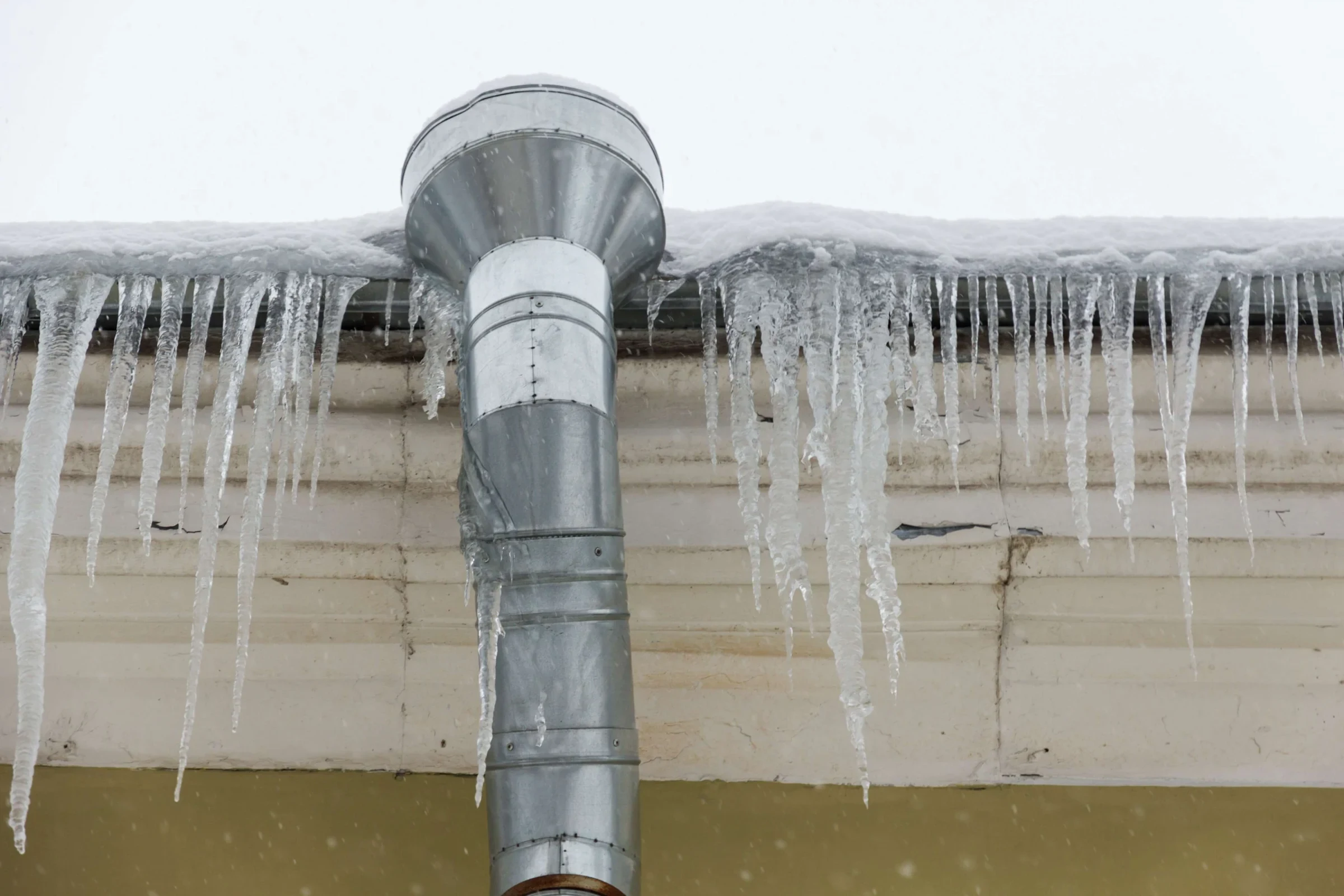
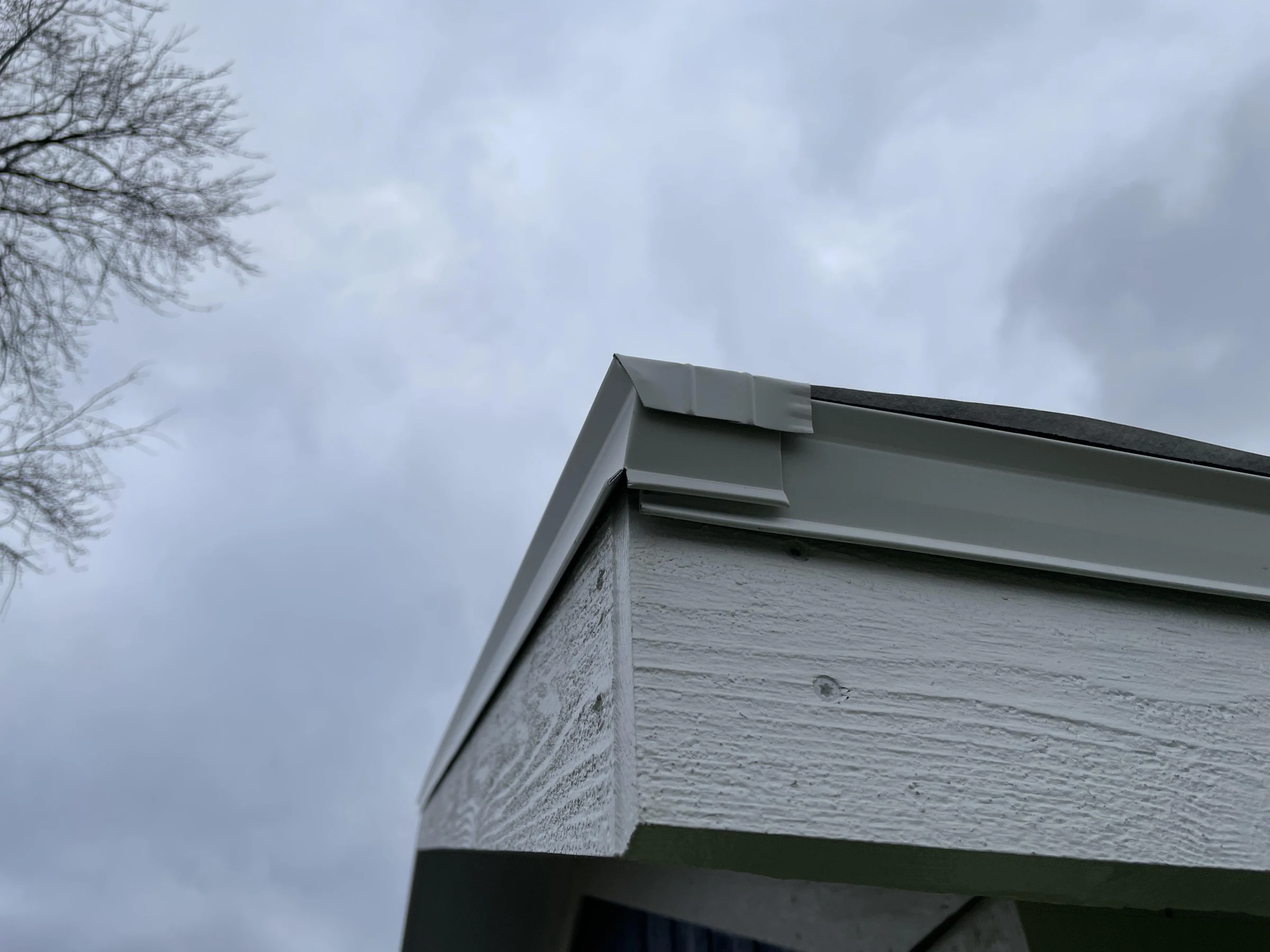
Ice dams form at drains, scuppers, and roof edges where meltwater refreezes faster than it can drain, backing water up under the membrane at the exact points where the roof is most vulnerable — flashing details, edge metal seams, drain bowls. On built-up and modified bitumen roofs, common on Flint's older industrial and manufacturing buildings, that backed-up water finds seams that a properly draining roof would never expose to standing moisture.
The damage often isn't visible until well after the freeze event, once trapped moisture has worked its way through insulation and shown up as an interior stain weeks later. That lag is exactly what makes causation hard to establish without documentation from close to the actual event.
Freeze-Thaw Cracking Versus Age-Related Wear
Genesee County's freeze-thaw cycle runs hard from late fall through early spring, and it stresses membrane seams and flashing every time the temperature crosses freezing. A single hard freeze-thaw event can crack an already-brittle seam that had years of prior stress on it, which raises the question every winter claim eventually runs into: did this winter's event cause the failure, or did it just finish off a seam that was already compromised?
We document both the acute damage and the surrounding condition of the membrane, so that distinction is on record rather than left for an adjuster to guess at from a single site visit weeks after the event.
Drain and Scupper Backups
Roof drains and scuppers are the first thing to fail during a heavy snow event, since ice buildup at the drain bowl or scupper opening blocks the one path water has to leave the roof. Ponding water behind a blocked drain adds structural load on top of the snow load already sitting on the deck, which is a combination that matters both for the immediate claim and for whether the roof needs a broader inspection afterward.
What We Document for a Winter Claim
- Dated, location-tagged photos of ice dam locations and any resulting membrane damage
- Drain and scupper condition, including any ice blockage found at the time of inspection
- Interior water staining mapped back to its probable roof-level source
- Pre-existing membrane condition alongside the acute freeze-thaw damage
- A written repair scope tied to the documented findings, not a generic winter-damage estimate
Meeting the Adjuster After a Winter Event
When an adjuster visits after snow melt, we're there to walk the roof and explain what a specific crack or seam failure pattern indicates about cause and timing. We keep that conversation technical and specific rather than arguing for a particular outcome — the goal is an accurate record, not a bigger number.
Snow and Ice Claim Questions
Does insurance cover ice dam damage?
It can, depending on the policy and whether the damage is determined to be a covered weather event rather than gradual deterioration. That's the insurer's determination, informed by the documentation available.
Why does ice dam damage show up so much later than the freeze event?
Water backed up under a membrane can take weeks to work through insulation and reach a point where it's visible as an interior stain, which is part of why documenting the roof-level cause close to the actual freeze event matters.
Will you negotiate my claim with the insurer?
No. We're your roofing contractor, not a public adjuster — we document and substantiate the roof damage so you and your adjuster work from an accurate scope, but the negotiation itself is between you and your insurance company.
Can a roof have both storm damage and normal winter wear at the same time?
Yes, and that's common on older membranes. We document both so the claim reflects what's actually storm-caused rather than assuming everything found is new.
What should I do first if I suspect ice dam damage?
Get a roof-level inspection scheduled as soon as it's safe, ideally before the next freeze-thaw cycle adds to whatever damage is already there.
Related
Ready to review the roof scope?

Let’s Talk About Your Commercial Roof
Share the building, roof history, known leaks or damage, access constraints, and schedule. We’ll start with the roof condition and the facility below it.