
Wind and Storm Damage Insurance Claims for Flint Commercial Roofs
Wind and Storm Damage Insurance Claims for Flint Commercial Roofs
Severe thunderstorms move through Genesee County most summers with enough wind to test edge metal and membrane seams across the county, and every few years a derecho-style line of storms does the same thing over a much wider area at once. Either way, wind damage on a commercial roof tends to start small — a lifted seam, a piece of coping that shifted — and the claim depends on documenting it before it spreads or before the next storm makes the original cause harder to isolate.
We document wind and storm damage as a roofing contractor. We don't file claims, negotiate settlements, or promise what an insurer will pay; we build the technical record an adjuster needs and stand behind what we find.
Where Wind Damage Actually Starts
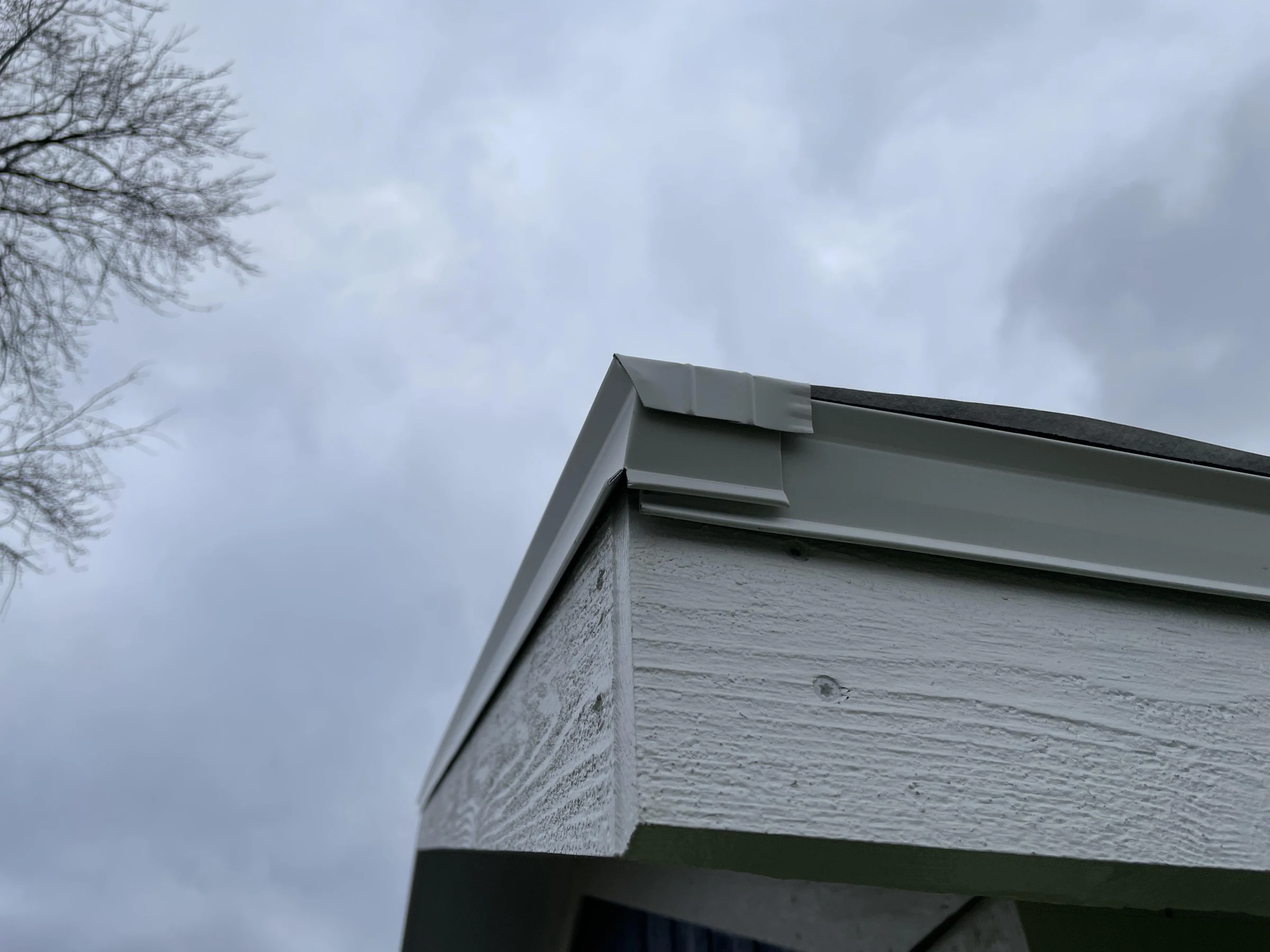
Wind uplift almost always begins at an edge — parapet coping, roof edge metal, a corner where pressure concentrates — rather than in the middle of the roof field. Once wind gets under a membrane edge, it can peel back a much larger section than the original failure point, which is why a proper wind-damage inspection covers the full perimeter rather than only the spot where a leak was reported.
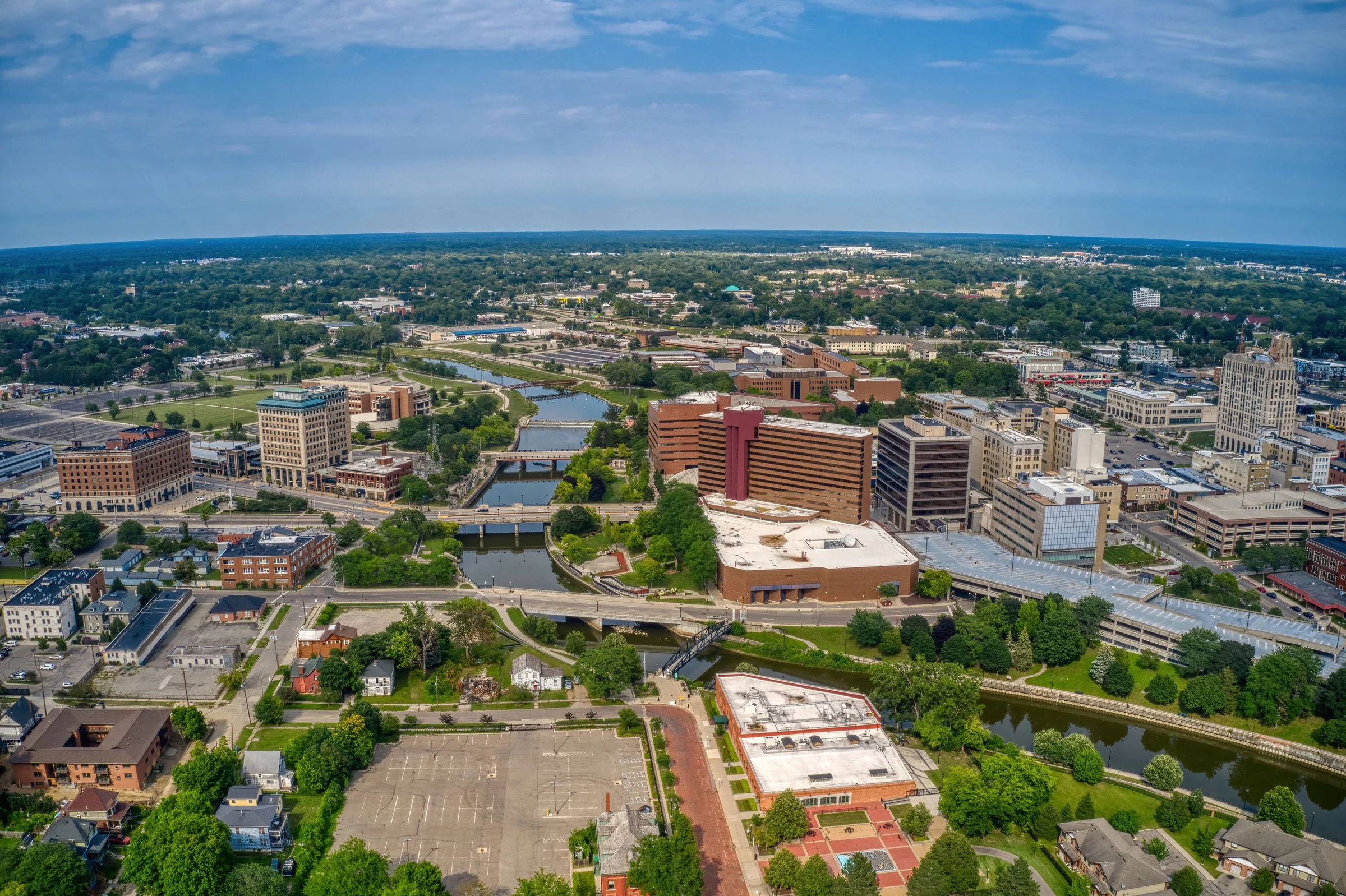
Buildings along more exposed corridors — industrial and logistics sites near US-23, I-75, and the roads feeding Bishop Airport, where there's less windbreak from surrounding structures — tend to see this pattern more than buildings tucked between other buildings downtown.
Derecho and Severe Line Events
A fast-moving line of severe thunderstorms can put straight-line wind gusts on a roof for a shorter duration than a sustained windstorm but at higher peak speed, which shows up differently in the damage pattern: more concentrated edge and corner failures, sometimes debris impact damage layered on top of the wind uplift itself. We document both mechanisms separately when a single event produced both, since an insurer's review often treats them as distinct causes.
Distinguishing Storm Damage From Aging Membrane
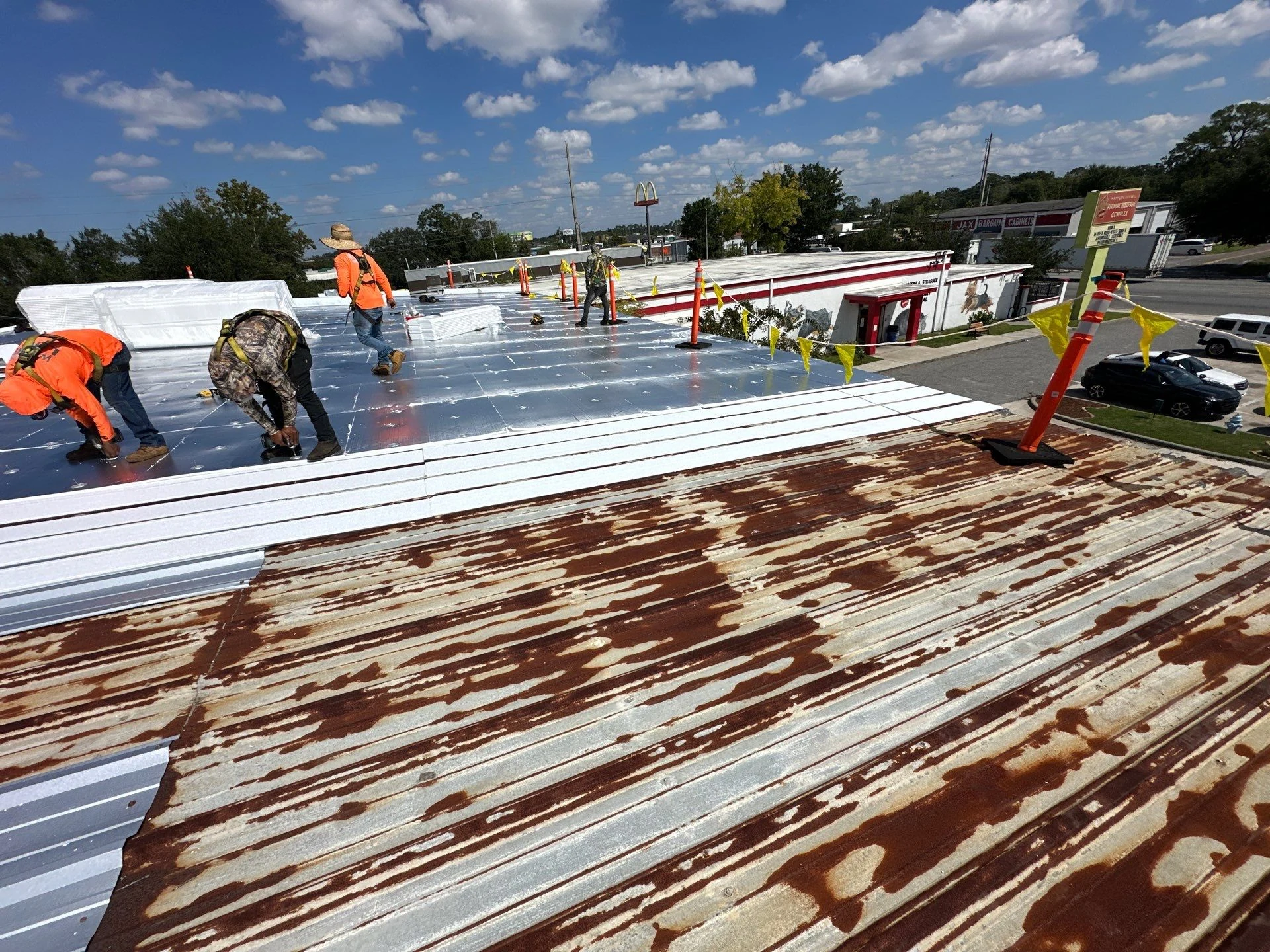
A lot of Flint's commercial roof stock includes older TPO, EPDM, and built-up systems on buildings tied to the area's manufacturing history, some of them decades past their original install. Wind can expose a seam that was already failing from age, and telling that apart from a genuinely storm-caused failure is central to how a claim gets evaluated. We document the surrounding membrane condition alongside the specific wind-damage finding so that distinction is on record, not left to an adjuster's single site visit.
What Gets Documented for a Wind Claim
- Dated, location-tagged photos of every wind-damage finding, perimeter and field
- Edge metal and coping condition specifically, since these are the most common failure origin
- Membrane condition beyond the immediate damage point, to establish pre-loss context
- A written scope tied to the documented findings, including any code-required upgrades to edge attachment
- Manufacturer wind-resistance specifications where the installed system's rating is relevant to the claim
Working the Roof With an Adjuster
We meet adjusters on site after wind events and walk the perimeter and field with them directly, pointing to specific findings and explaining what a manufacturer's spec says about expected wind resistance for the system that's installed. That conversation stays factual and roofing-specific — we're not there to argue for a bigger scope than the damage supports, only to make sure nothing legitimate gets missed.
Wind and Storm Claim Questions
Does insurance cover wind damage to a commercial roof?
Often, yes, depending on the policy and whether the damage is determined to be storm-caused rather than pre-existing wear. That determination belongs to the insurer.
Why does wind damage sometimes look worse than it is, or better than it is?
Surface-level lifting can look dramatic without being structurally significant, while a small edge separation can indicate a much larger uplift risk underneath. A roof-level inspection sorts out which is which.
Will you negotiate with my insurance company?
No. We're your roofing contractor, not a public adjuster — we document and substantiate the roof damage so you and your adjuster work from an accurate scope.
How soon after a windstorm should the roof be inspected?
As soon as it's safe. Wind damage at the edges can worsen with the next weather event, and documenting it close to the original storm strengthens the causation record.
Can one storm damage roofs across several of my buildings at once?
Yes, and insurers evaluate each building separately. We document each roof on its own with its own dated record even when the storm event and damage pattern are similar across sites.
Related
Ready to review the roof scope?
Let’s Talk About Your Commercial Roof
Share the building, roof history, known leaks or damage, access constraints, and schedule. We’ll start with the roof condition and the facility below it.