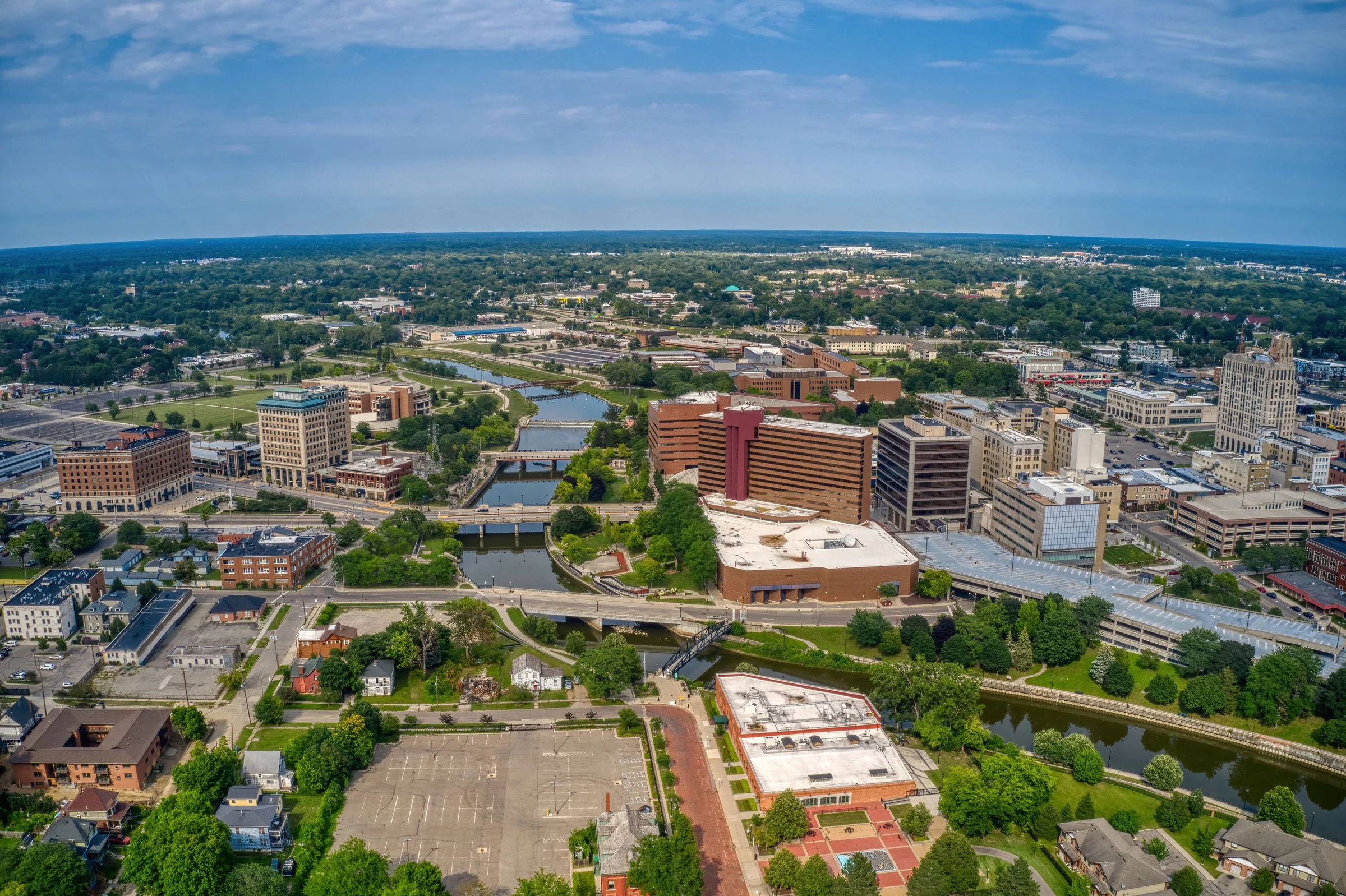

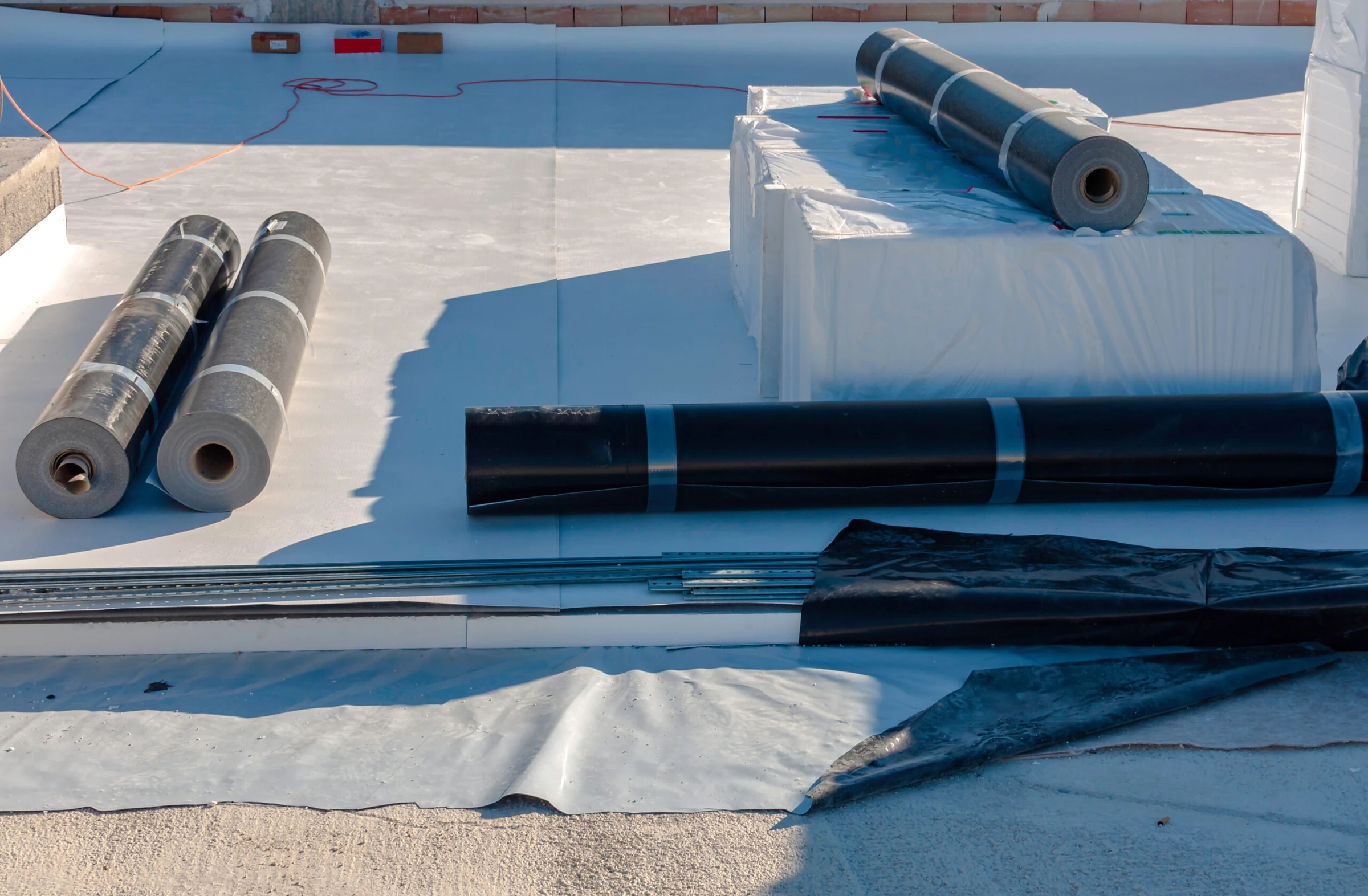
PVC Roofing in Flint, MI
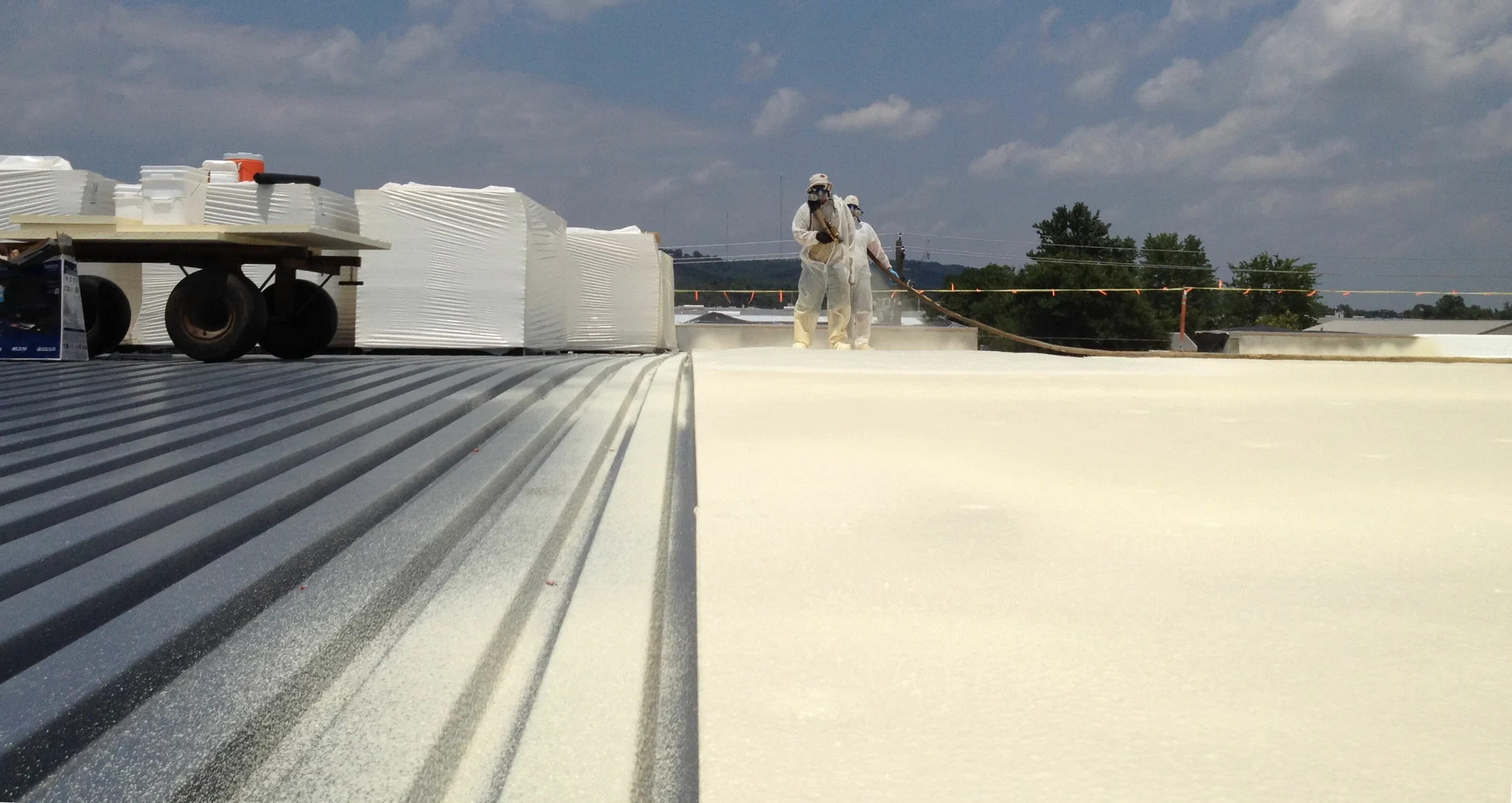
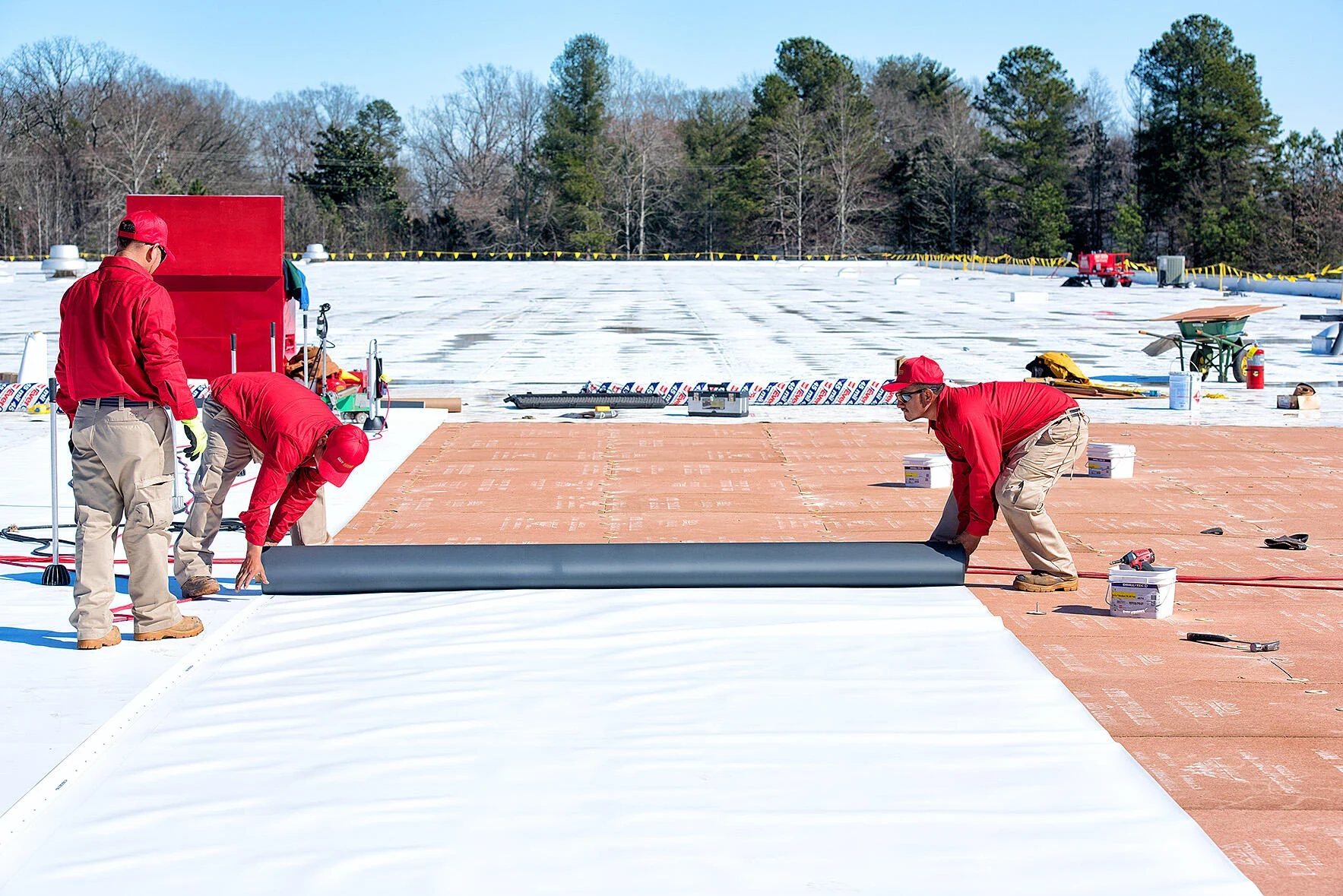
PVC Roofing Where Grease, Chemicals, or Exhaust Are Part of the Job
Most single-ply decisions in Genesee County come down to TPO or EPDM, but PVC earns its place on a specific slice of buildings — restaurant roofs near kitchen exhaust, food-service buildings along the Birch Run and Frankenmuth retail corridors, and any structure where rooftop equipment vents grease, oil, or chemical byproducts onto the membrane. PVC's chemical resistance is the reason it goes on those roofs instead of the cheaper alternatives.
Why Chemical Resistance Matters More Than Price Here
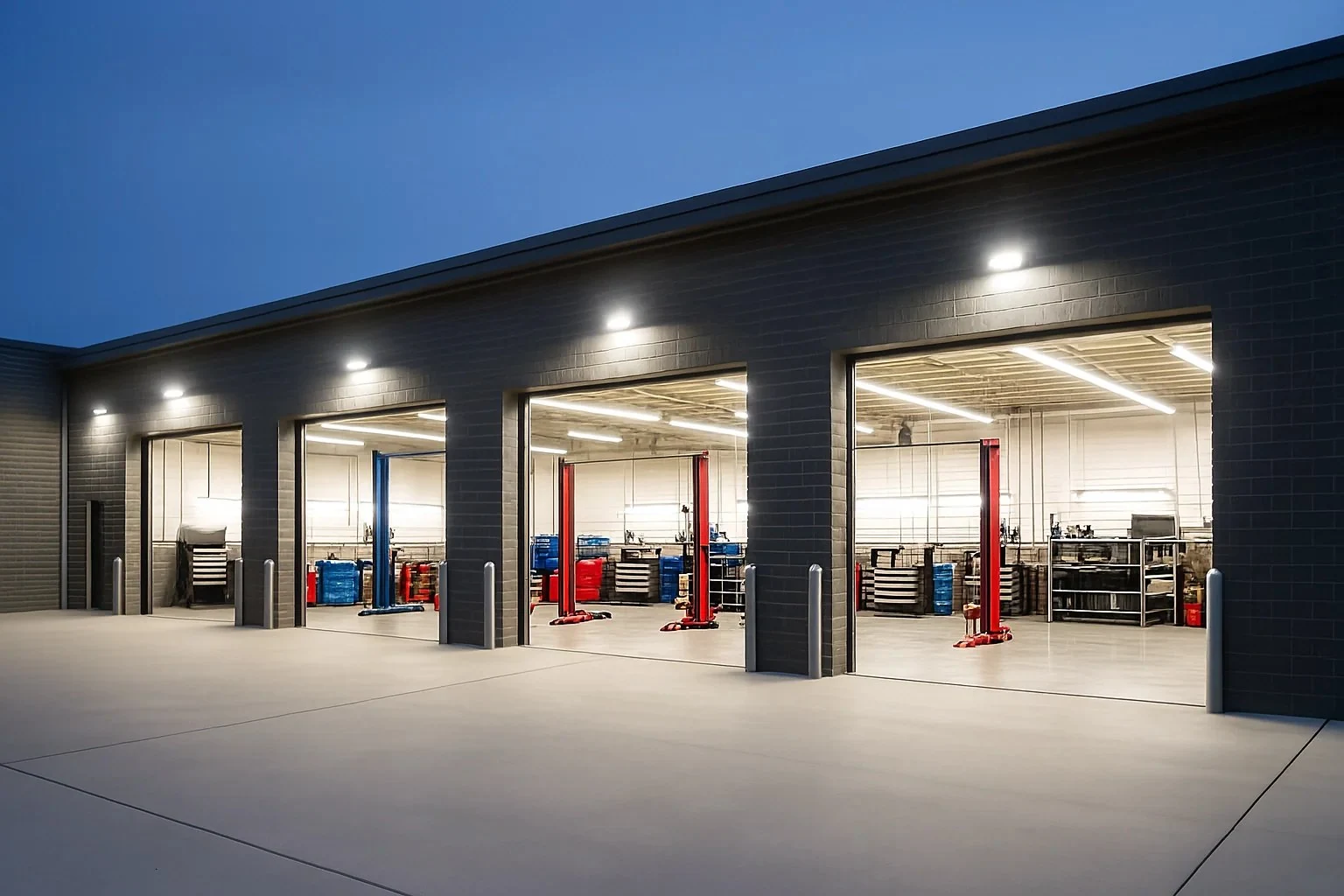
EPDM and TPO both degrade when they're in sustained contact with petroleum-based grease and certain chemical exhausts. A restaurant roof under a kitchen exhaust fan, an auto-service building venting solvents, or a food-processing facility running fryer or grill exhaust across the deck will chew through the wrong membrane in a fraction of its rated life. PVC's formulation resists that kind of exposure, which is why we specify it on kitchen-adjacent roofs even when it costs more up front than TPO. Paying more once for the right material beats replacing a degraded membrane again in five years.
We see this most around Frankenmuth and Birch Run, where restaurant and food-retail density is high, and on scattered auto-service and light-industrial buildings elsewhere in the county where rooftop exhaust carries something other than plain air. If a building has kitchen or process exhaust venting across the roof deck, that's the first question we ask before recommending a membrane.
Heat-Welded Seams and Winter Installation
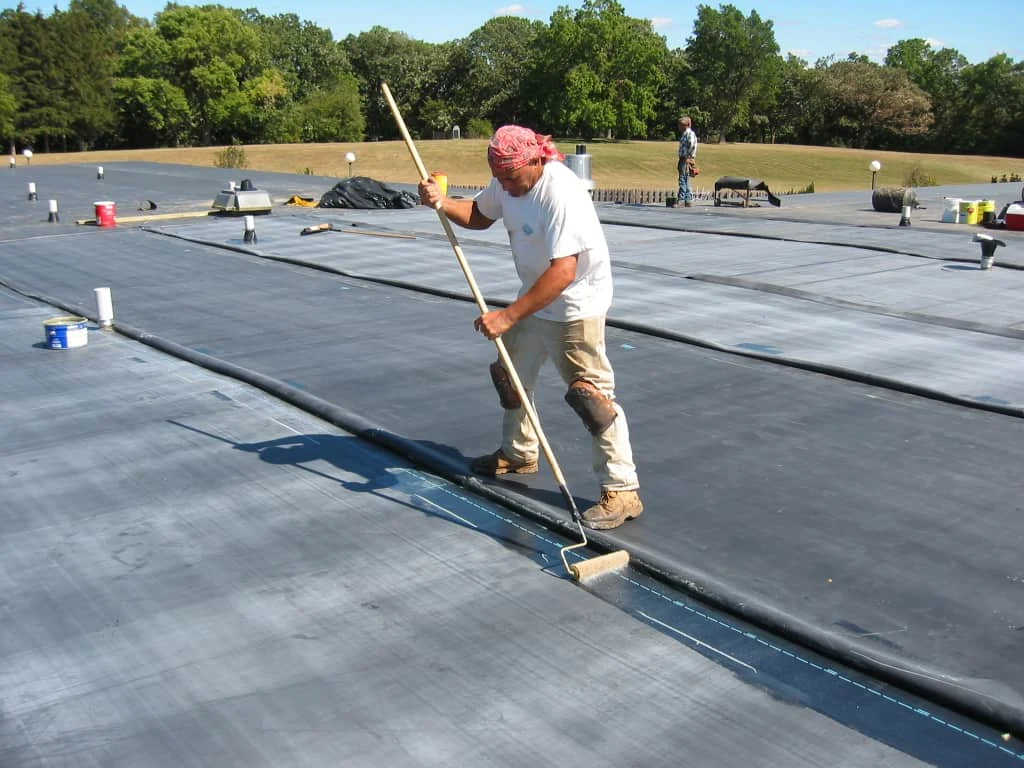
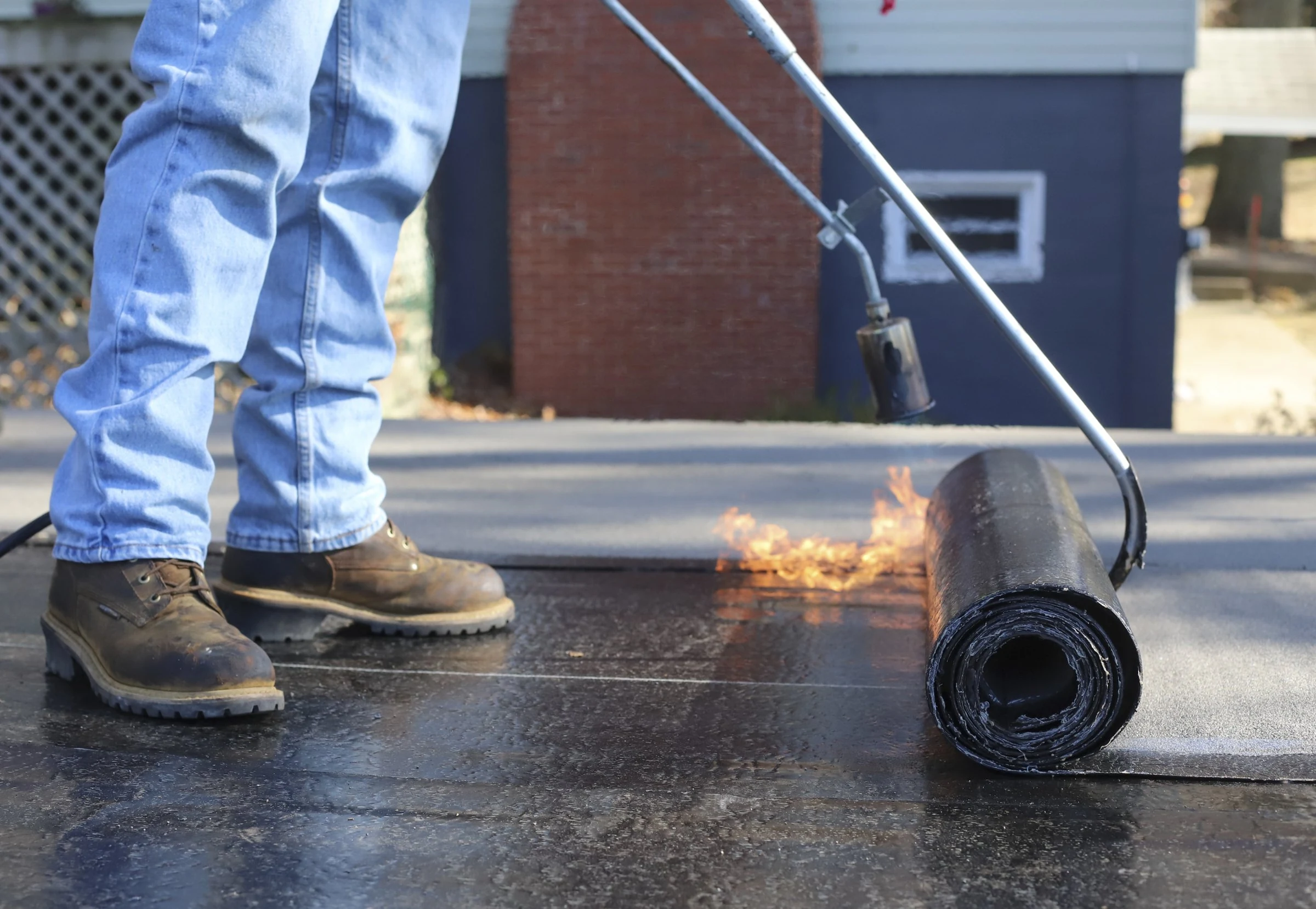
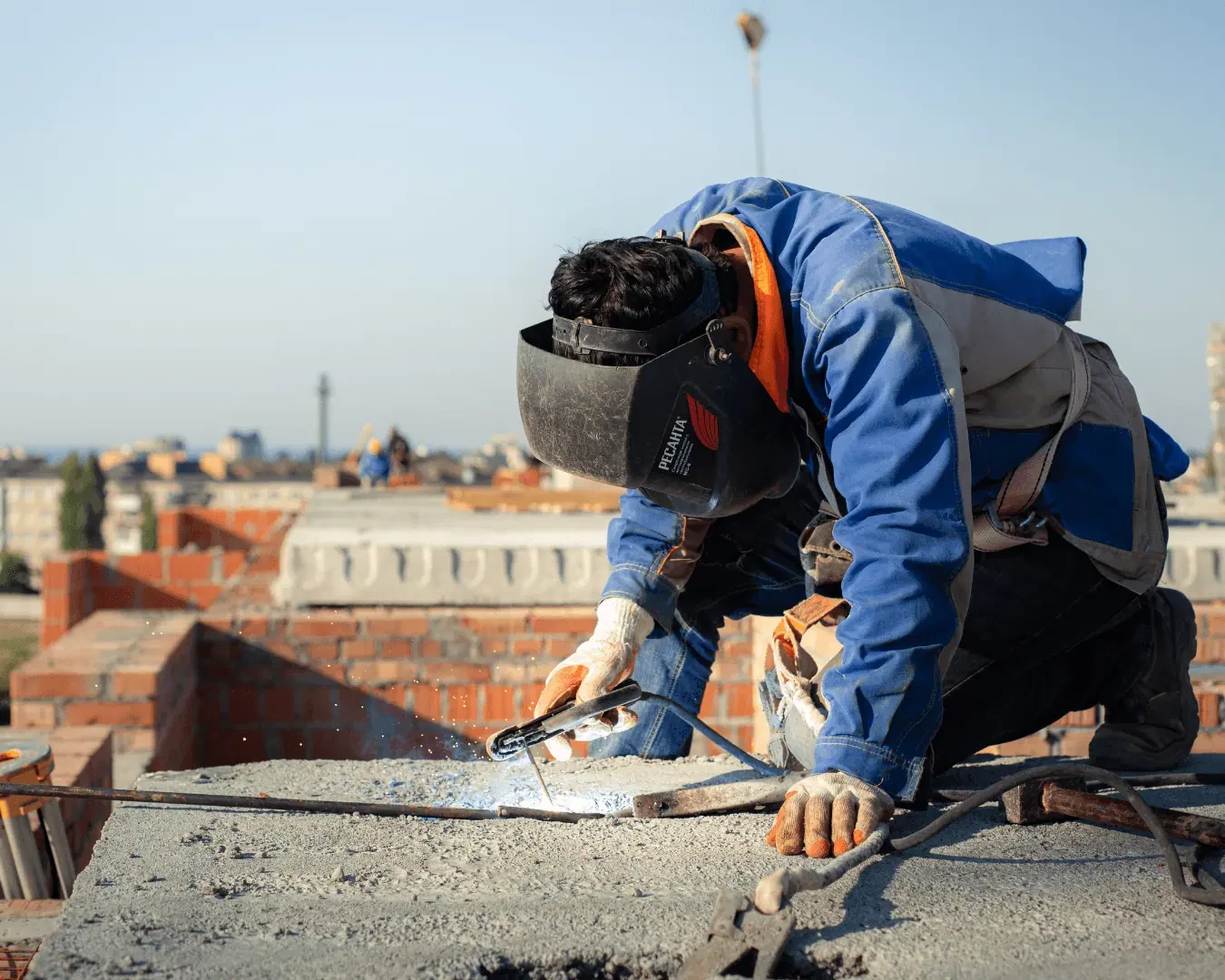
PVC seams weld the same way TPO seams do, with hot air fusing overlapping sheets into a continuous membrane rather than relying on adhesive. That weld is only as good as the conditions it's made in, and Genesee County's shoulder-season weather — cold mornings, warmer afternoons, sudden temperature drops — means we plan installation windows carefully on late-fall and early-spring jobs. We test welds as we go rather than at the end of a run, because a weak weld found after the crew has moved on costs far more to fix than one caught immediately.
Once installed, welded PVC seams handle Michigan's freeze-thaw cycling better than adhered laps, since the seam is fused into essentially one continuous sheet of material rather than two sheets held together by adhesive that can lose grip over repeated expansion and contraction. That's part of why PVC roofs on demanding buildings here tend to hold up at the seams even after a decade or more of hard winters.
Flashing Around Kitchen Exhaust Curbs
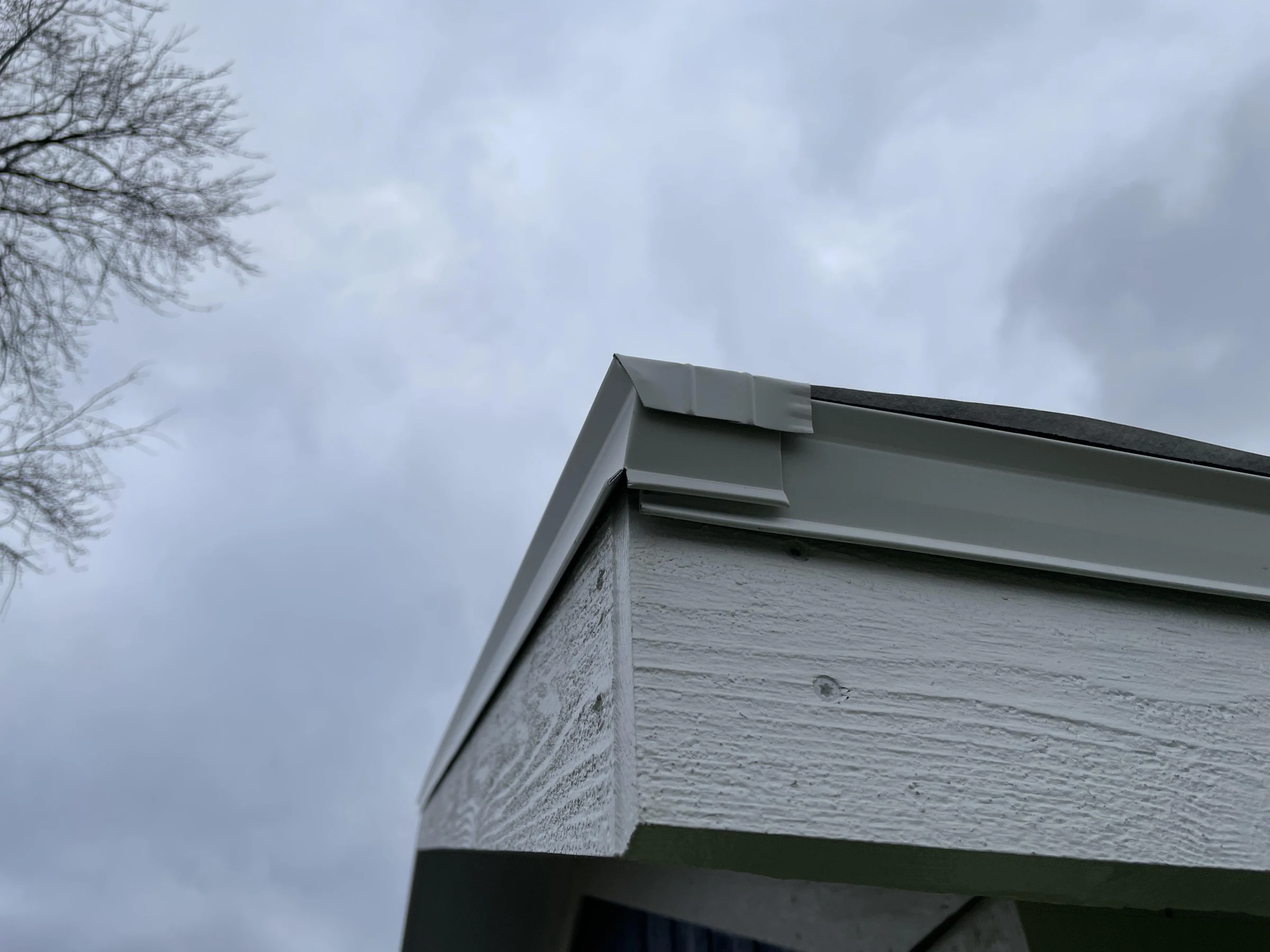
The roughest detail work on a restaurant PVC roof usually isn't the field membrane, it's the flashing around exhaust fan curbs and grease-duct penetrations. These curbs see direct grease and heat exposure that ordinary flashing sealants don't handle well over time, and around Frankenmuth and Birch Run's dense concentration of restaurant and food-retail buildings we see this as the most common isolated failure point on an otherwise sound PVC roof. We detail these curbs with PVC-compatible flashing membrane welded directly into the field sheet rather than relying on caulk or mastic, which holds up far longer under sustained grease exposure.
Where PVC Makes Sense in This Market
- Restaurant and food-service buildings with rooftop kitchen exhaust
- Buildings with rooftop chemical or solvent venting from process equipment
- Municipal and school buildings where budget favors long-term low-maintenance membranes
- Retail buildings near Birch Run and Frankenmuth's food and hospitality cluster
- Roofs with heavy annual foot traffic for equipment servicing
Inspecting an Existing PVC Roof
PVC ages differently than EPDM or TPO. Plasticizers in the membrane can migrate out over many years, which shows up as a slight stiffening or surface chalking rather than the cracking or seam-lift patterns we look for on rubber roofs. We check for that, along with standard items — seam integrity, flashing condition at penetrations, and any areas where grease or chemical exposure has visibly attacked the membrane surface despite the material's resistance. Roofs under heavy, sustained exhaust exposure still need periodic inspection even with the right membrane installed.
If a PVC roof is showing isolated seam or flashing failure but the field membrane is otherwise sound, targeted repair is almost always the right call rather than replacement. We document what we find with photos so an owner isn't guessing at the scope, and we compare that against a straightforward inspection if it's just time for a routine check rather than a known problem area.
PVC Roofing Questions From Flint Building Owners
Why would I pay more for PVC instead of TPO?
If your roof has kitchen exhaust, chemical venting, or other grease and solvent exposure, PVC's chemical resistance protects the membrane in a way TPO isn't built for. Without that exposure, TPO is usually the more cost-effective choice.
Does PVC handle Michigan winters as well as other single-ply systems?
Yes. Heat-welded seams resist the freeze-thaw movement that stresses adhered laps on other systems, and the membrane itself is rated for a wide temperature range.
How do I know if my building has enough exhaust exposure to justify PVC?
Any rooftop equipment venting cooking grease, oils, or process chemicals is a reason to consider it. We'll look at what's actually venting onto your roof and the current membrane's condition before making a recommendation either way.
Can PVC be installed over an existing membrane?
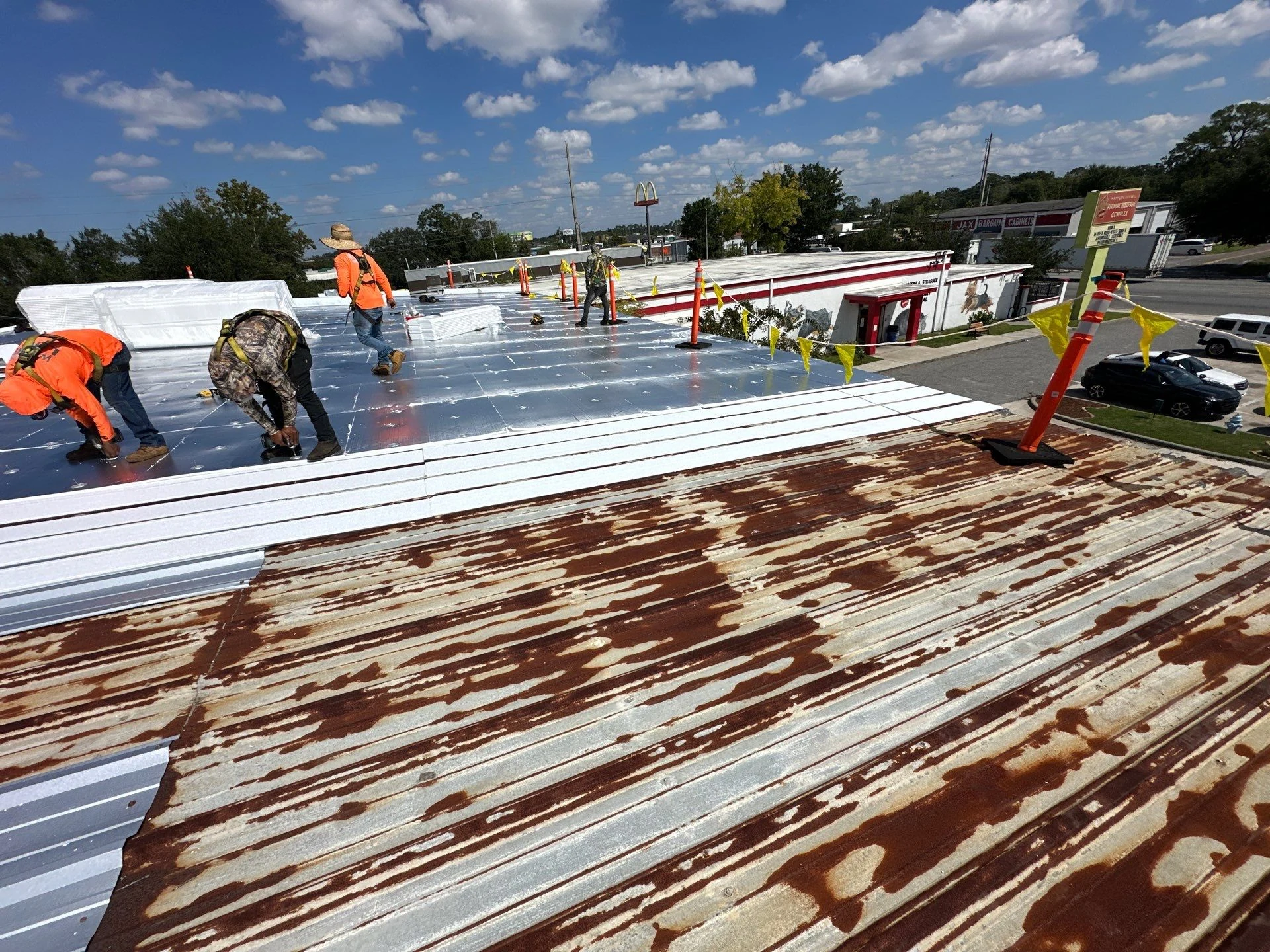
Sometimes, depending on the condition and compatibility of what's already there. We evaluate the existing roof's moisture content and structure before recommending a recover instead of a tear-off.
What's the typical lifespan of a PVC roof here?
Well-installed PVC commonly runs 20 years or more, and in chemical or grease-exposed applications it significantly outlasts membranes that weren't built for that exposure.
Related
Ready to review the roof scope?
Let’s Talk About Your Commercial Roof
Share the building, roof history, known leaks or damage, access constraints, and schedule. We’ll start with the roof condition and the facility below it.