
Modified Bitumen Roofing in Flint, MI
Modified Bitumen on the Buildings That Already Have It
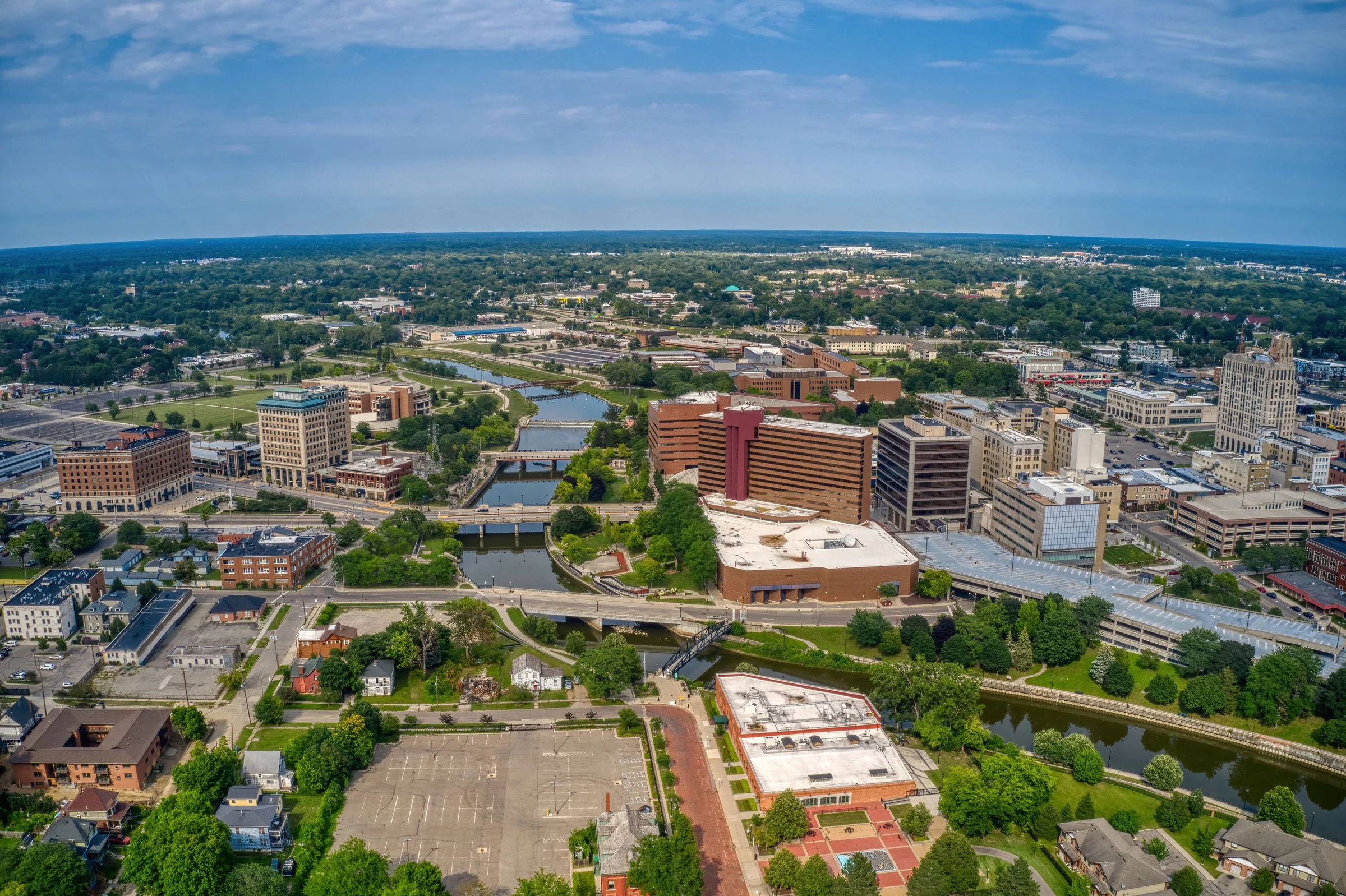
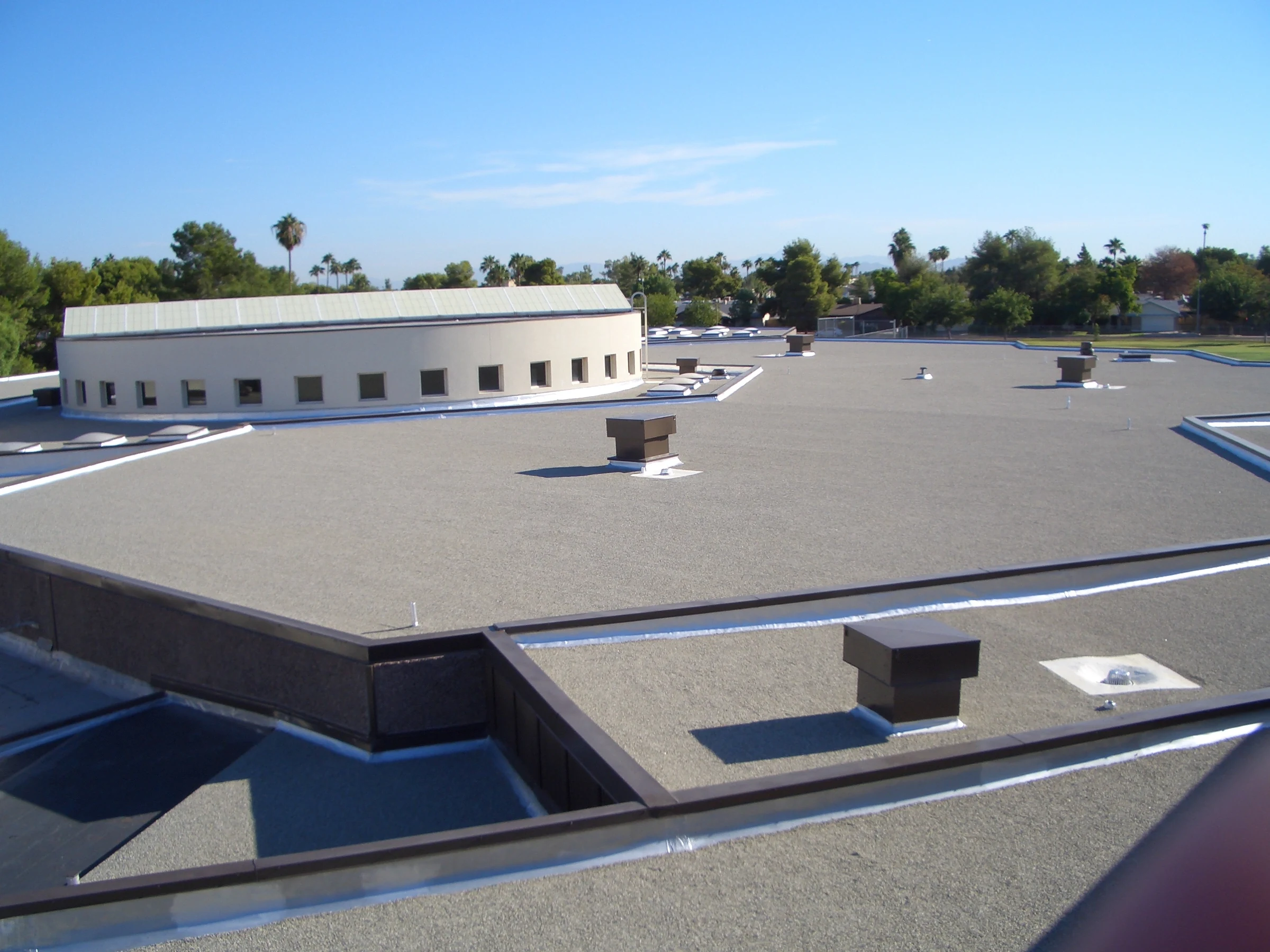
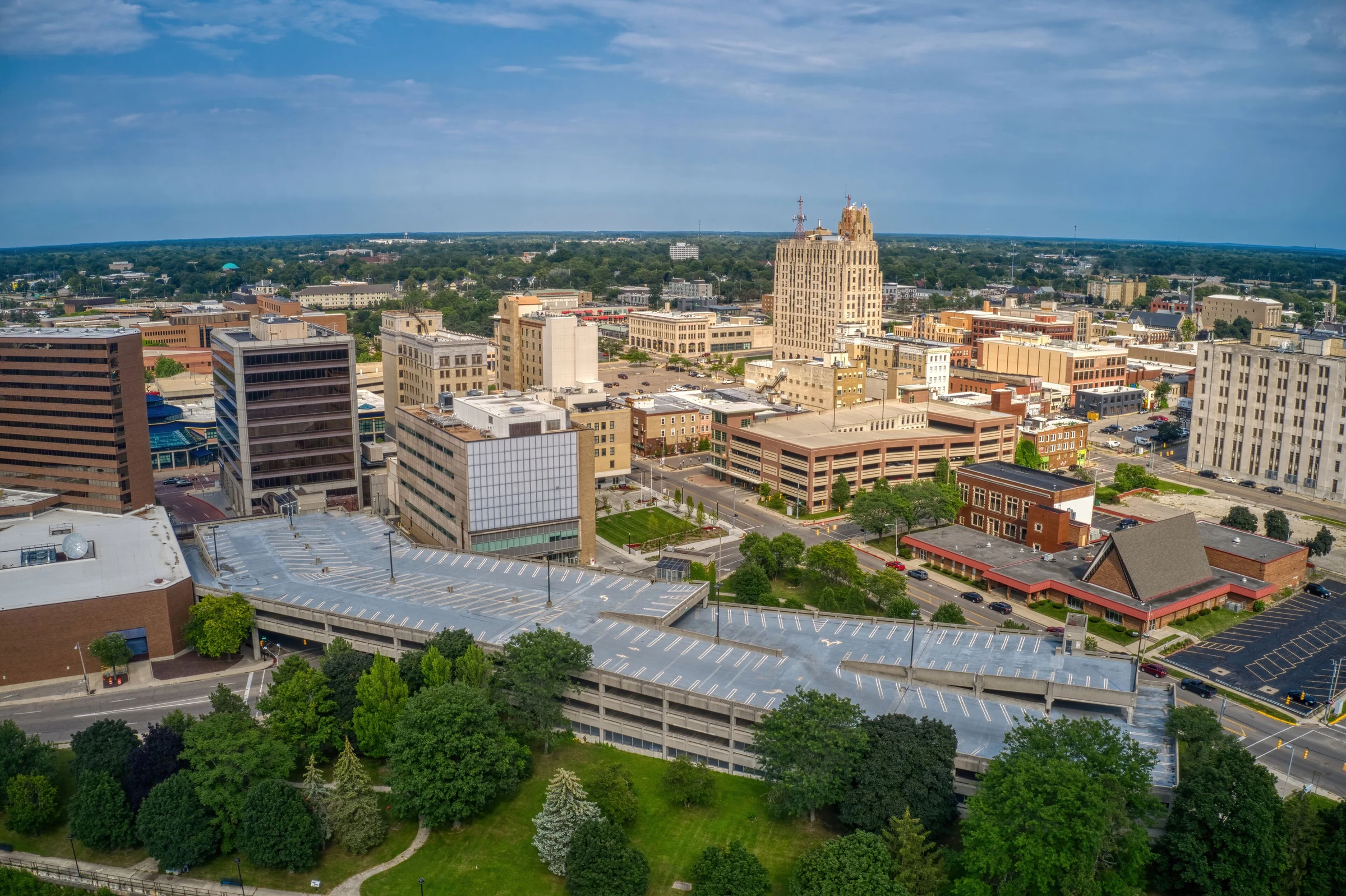
Modified bitumen shows up constantly across downtown Flint and the older commercial corridors in Owosso and Durand, usually as a system that replaced an original built-up roof sometime in the 1980s or 90s and is now itself due for attention. Because it's already so common on this building stock, most of our modified bitumen work is repair, targeted recover, or in-kind replacement rather than introducing the system somewhere new.
Why Mod Bit Stuck Around on Older Buildings
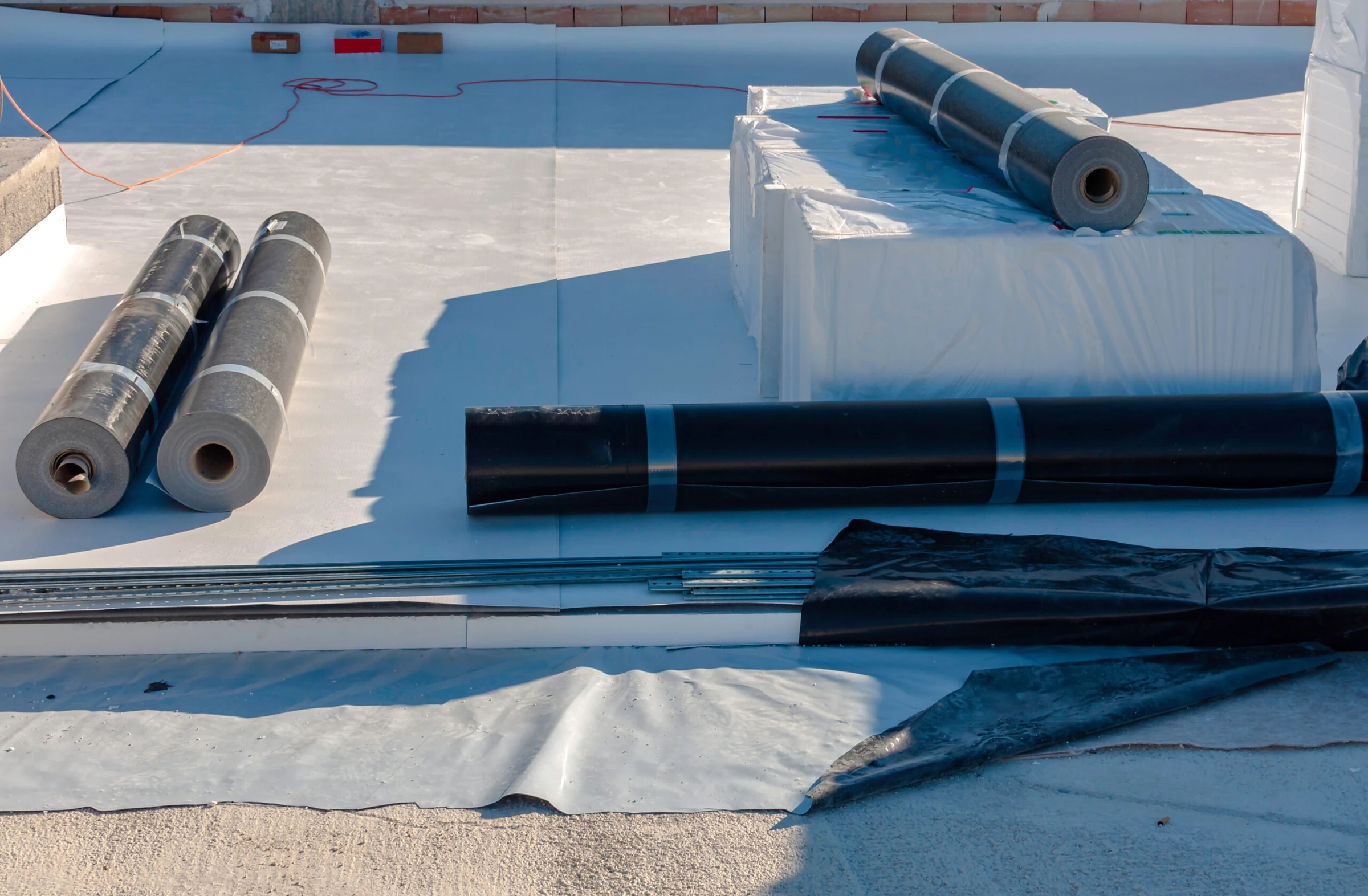
Modified bitumen was the natural next step for buildings that had been roofed in tar and gravel for decades — it kept the multi-ply redundancy contractors and owners in this area trusted, while cutting installation labor and improving flexibility over the older asphalt-only systems. On a lot of downtown Flint office buildings and older manufacturing-adjacent structures in Owosso, that combination of familiarity and multi-ply protection is exactly what building owners wanted when they replaced failing BUR roofs, and it's why so much of the modified bitumen out there is now twenty to thirty years old itself.
The multi-ply nature of the system is its real advantage in this climate. A cap sheet failure over a base sheet that's still intact doesn't necessarily mean water gets into the building — the base ply is a second line of defense. That redundancy matters on a system that's absorbing thirty-plus freeze-thaw cycles a winter, where a single-layer membrane has no backup if the top surface cracks.
Torch-Applied Versus Cold-Applied on Older Roofs
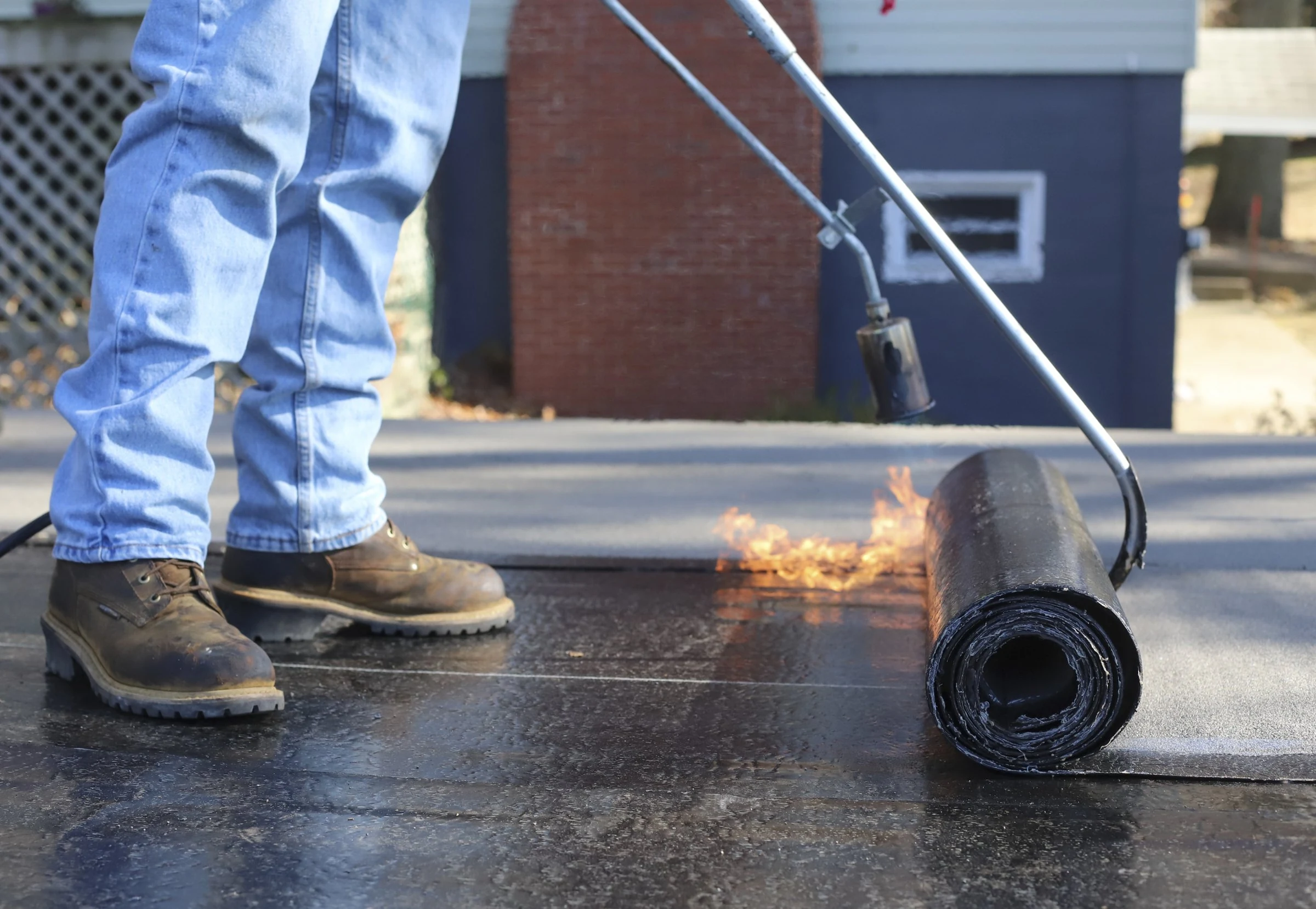
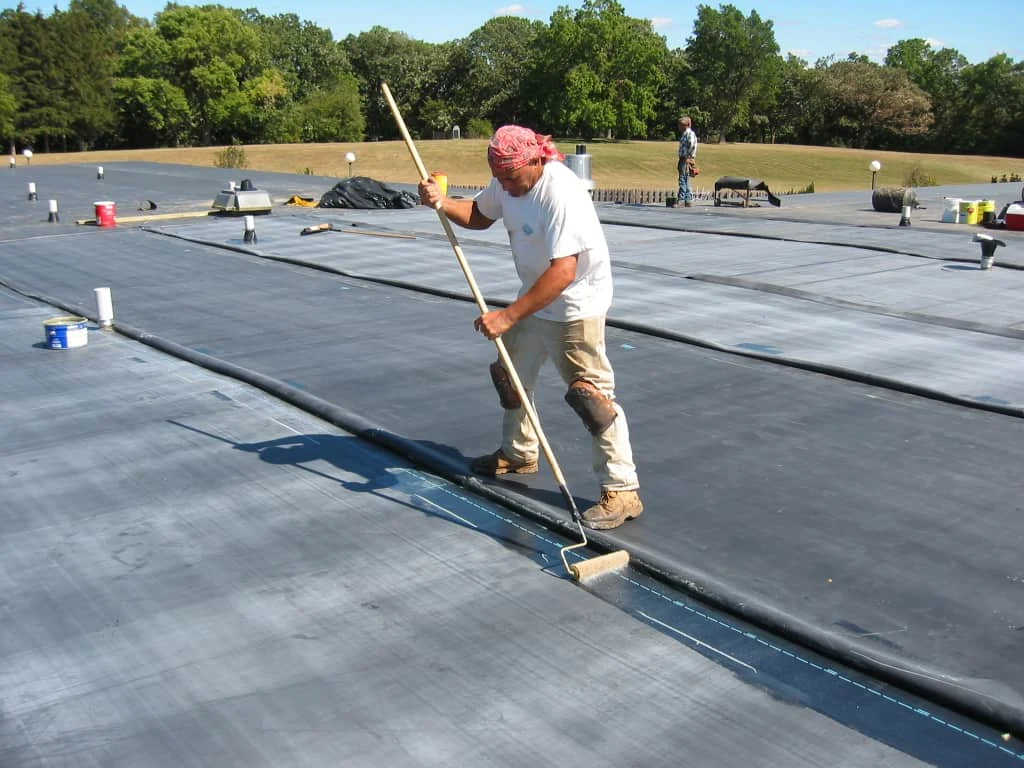
A lot of the modified bitumen installed in this area in past decades was torch-applied, which bonds well but requires open-flame work that's not always practical on an occupied building or one with sensitive tenants below. We use cold-applied and self-adhered modified bitumen products for a lot of repair and recover work now, particularly on downtown buildings with tenants in place, since it avoids the fire risk and odor of torch application while still achieving a comparable multi-ply result.
When we're matching into an existing torch-applied system for a partial repair, we're careful about compatibility between old and new ply materials rather than assuming any modified bitumen product bonds cleanly to what's already there. Mismatched systems are a common cause of repairs that fail again within a season.
What Freeze-Thaw Does to Mod Bit Specifically
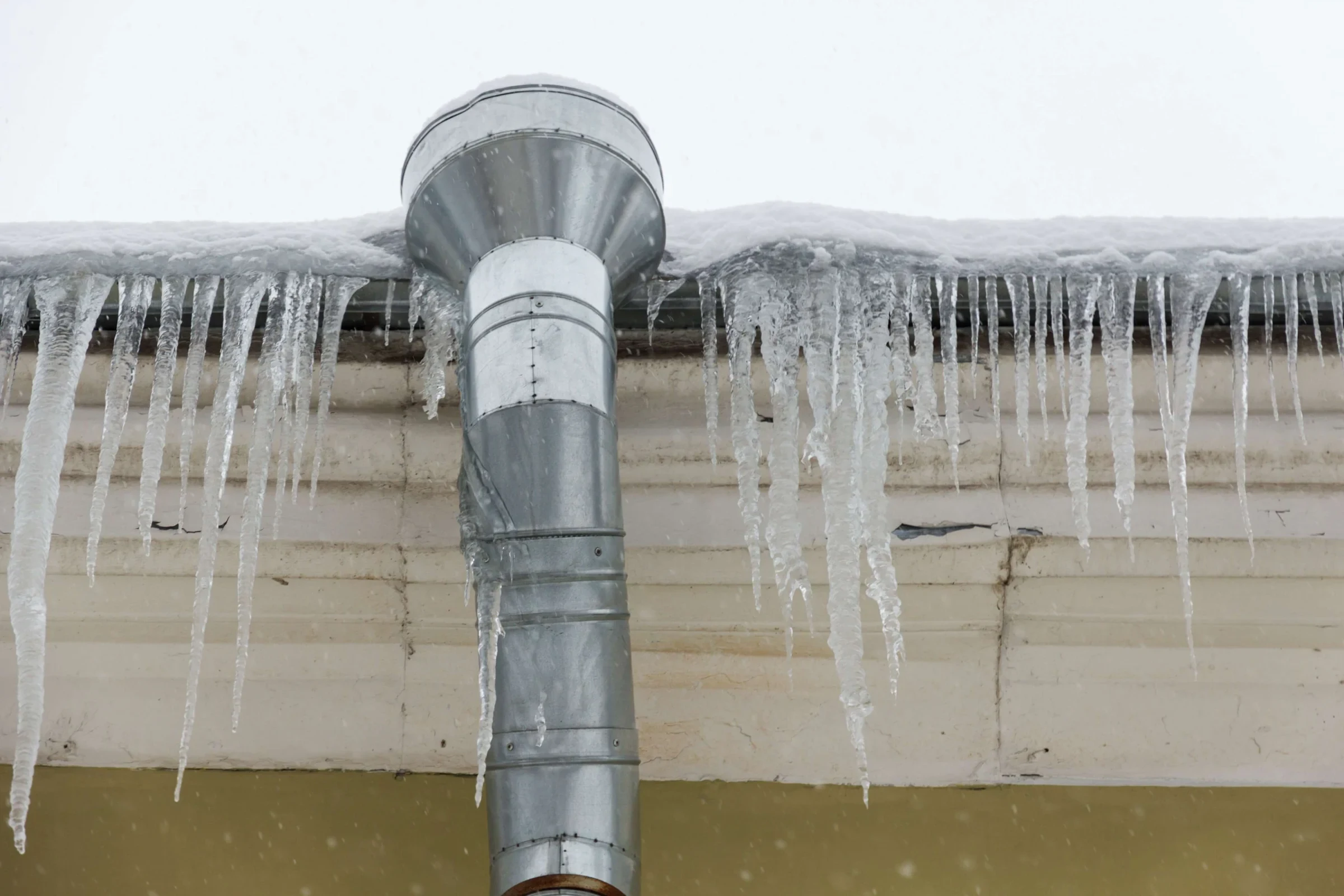
Modified bitumen's asphalt base makes it more susceptible to surface cracking (called "alligatoring") as it ages and loses flexibility, and that cracking accelerates once freeze-thaw cycling starts working water into the surface. We see this most on south- and west-facing roof sections, where daily thermal cycling is more extreme than shaded areas, and at flashings and seams where the material has less depth to absorb movement stress.
Ponding water is the other major stress point. Older modified bitumen roofs, especially ones on buildings that have settled slightly over decades, often have low spots that hold water for days after a storm or snowmelt. Standing water accelerates granule loss on the cap sheet and, combined with freeze cycling, is one of the fastest ways to shorten remaining service life on an otherwise sound roof.
What We Check on a Modified Bitumen Inspection
- Cap sheet granule loss and surface cracking, especially on sun-exposed sections
- Seam and lap condition between plies
- Ponding areas and whether drainage can be corrected without a full replacement
- Flashing condition at parapets, curbs, and penetrations
- Base ply integrity where cap sheet damage has occurred
- Compatibility of any prior patch materials with the original system
Repair, Recover, or Full Replacement
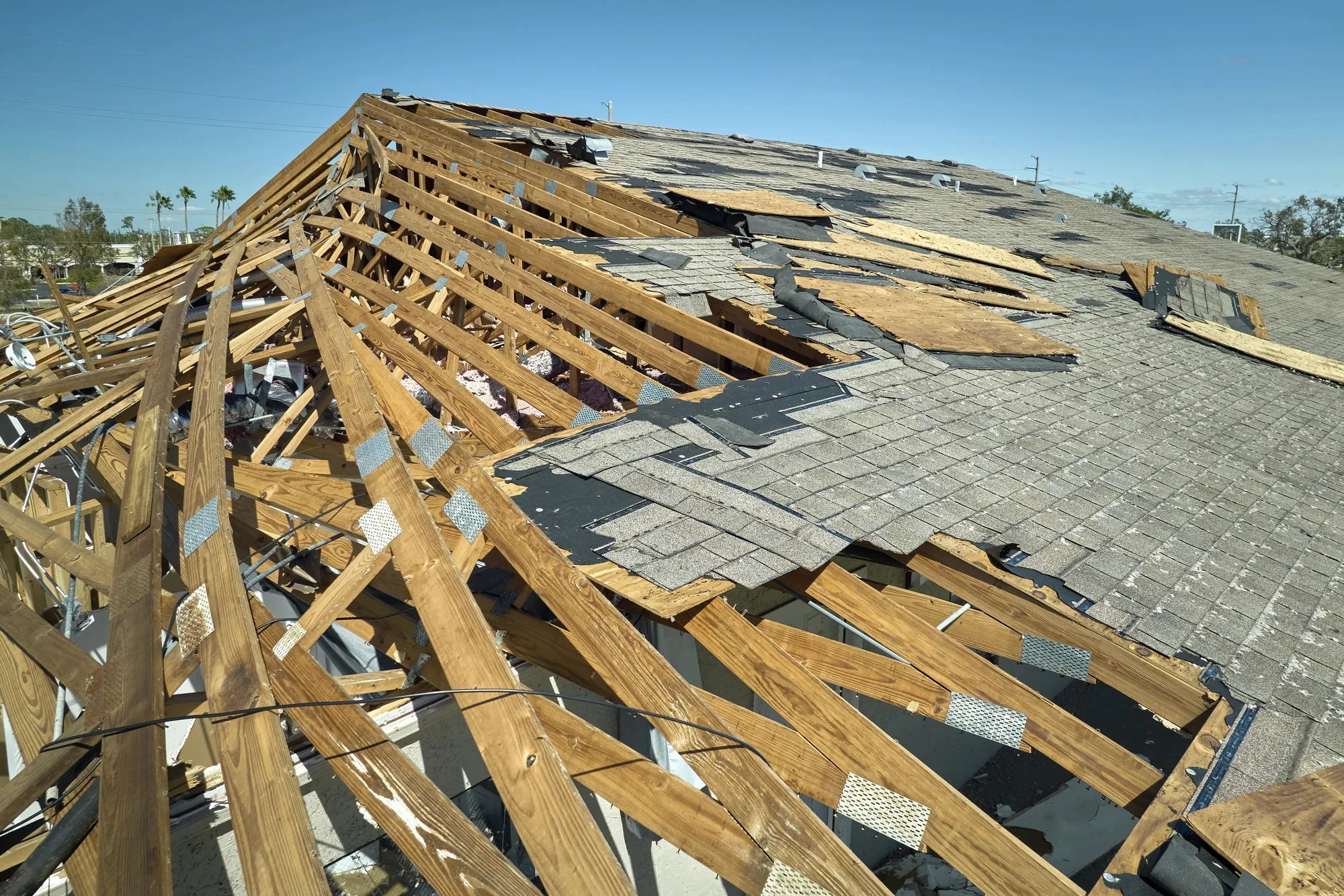
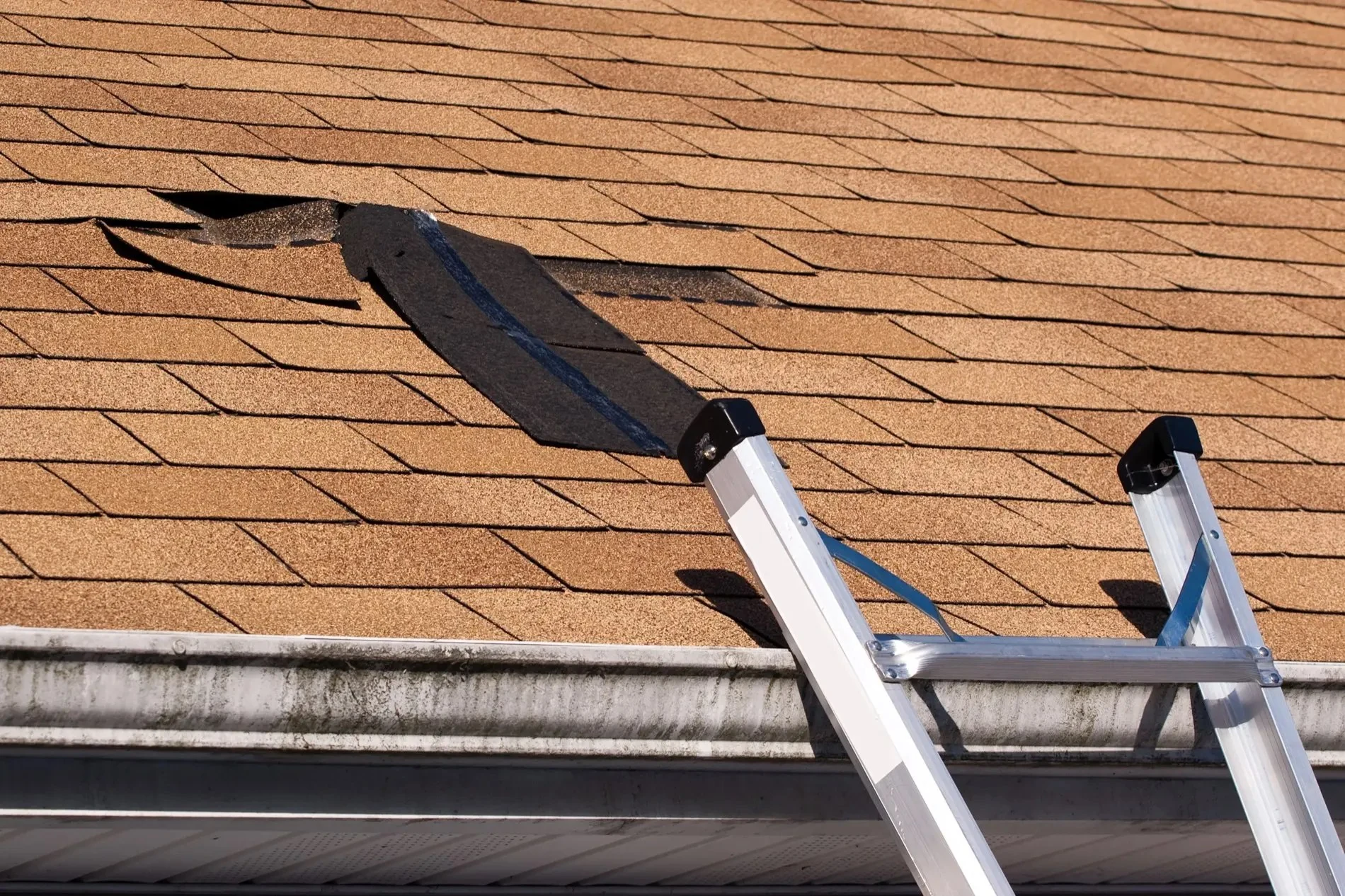
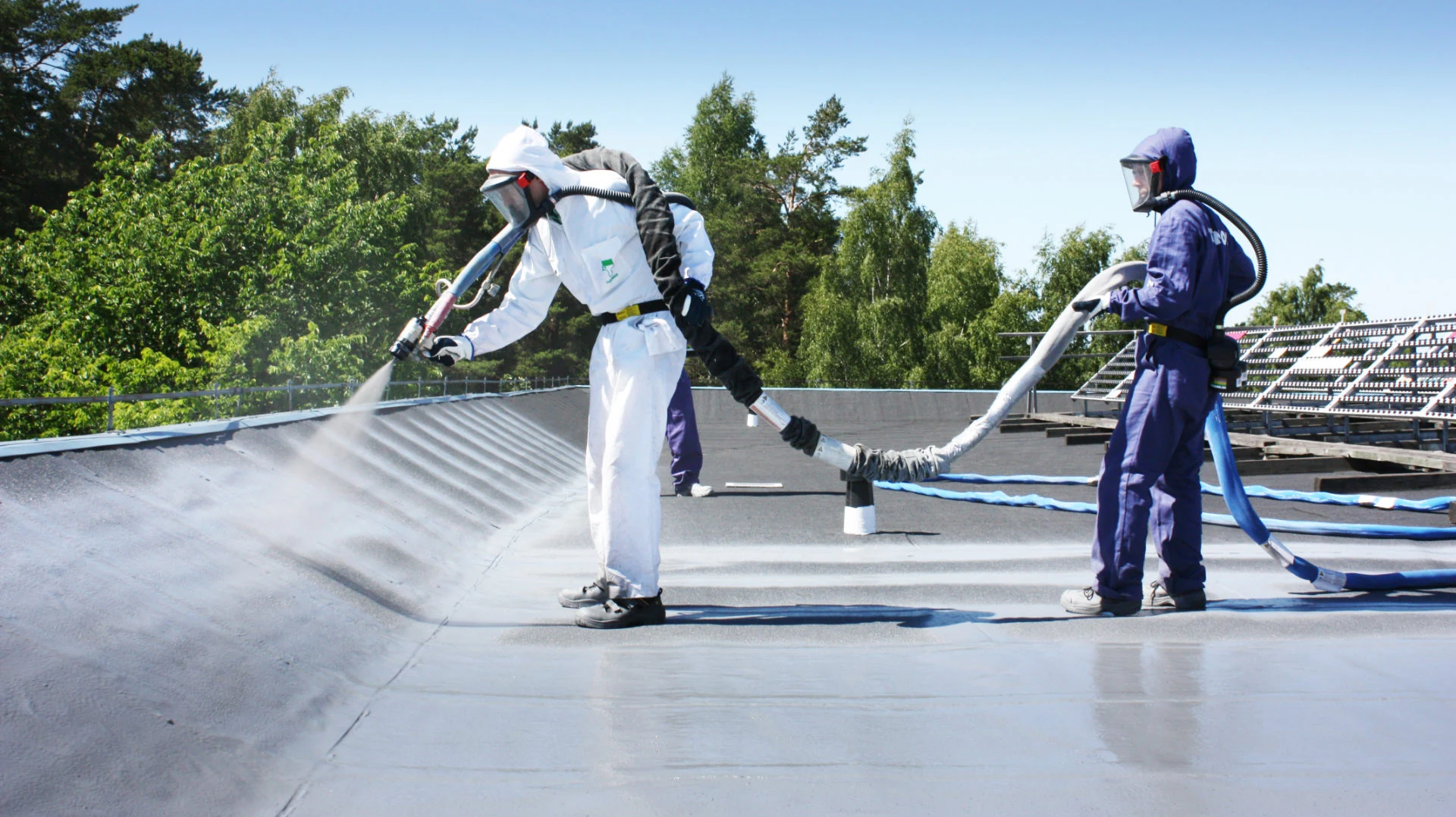
A modified bitumen roof with a sound base ply and isolated cap sheet damage is usually a good repair candidate — cutting out the damaged section and welding in new cap sheet material ties back into the existing system cleanly. A roof with widespread alligatoring, multiple ponding areas, and base ply exposure in several spots is past the point where patching makes financial sense, and we'll say so rather than stringing an owner along with repeated small repairs. In some of those cases a silicone coating over a still-sound but aging surface can extend service life at a fraction of tear-off cost, which we discuss as an option when the roof qualifies.
Modified Bitumen Questions We Hear Often
Is my old tar-and-gravel roof actually modified bitumen or something else?
Not always. A lot of downtown Flint buildings had their original built-up roofs replaced with modified bitumen decades ago, but some still have true BUR systems. We identify the system on site before recommending any repair approach, since the two require different materials and methods.
Can you repair modified bitumen without matching the original brand?
Compatibility matters more than brand matching in most cases. We check what's already installed and use materials that bond correctly to it, whether or not that's the identical product originally used.
How much does ponding water actually shorten the roof's life?
Significantly, especially combined with freeze-thaw cycling. Correcting drainage — adding a drain, tapering insulation, or clearing a blocked scupper — often does more to extend a modified bitumen roof's life than any membrane repair alone.
Is torch-applied repair safe on an occupied building?
It can be done safely with the right precautions, but we default to cold-applied or self-adhered products for occupied buildings and tenant spaces whenever the repair scope allows it.
How long can a well-maintained modified bitumen roof realistically last?
With regular inspection and prompt repair of cap sheet damage, 20 to 25 years is realistic for a properly installed system, sometimes longer with a coating applied partway through its service life.
Related
Ready to review the roof scope?
Let’s Talk About Your Commercial Roof
Share the building, roof history, known leaks or damage, access constraints, and schedule. We’ll start with the roof condition and the facility below it.