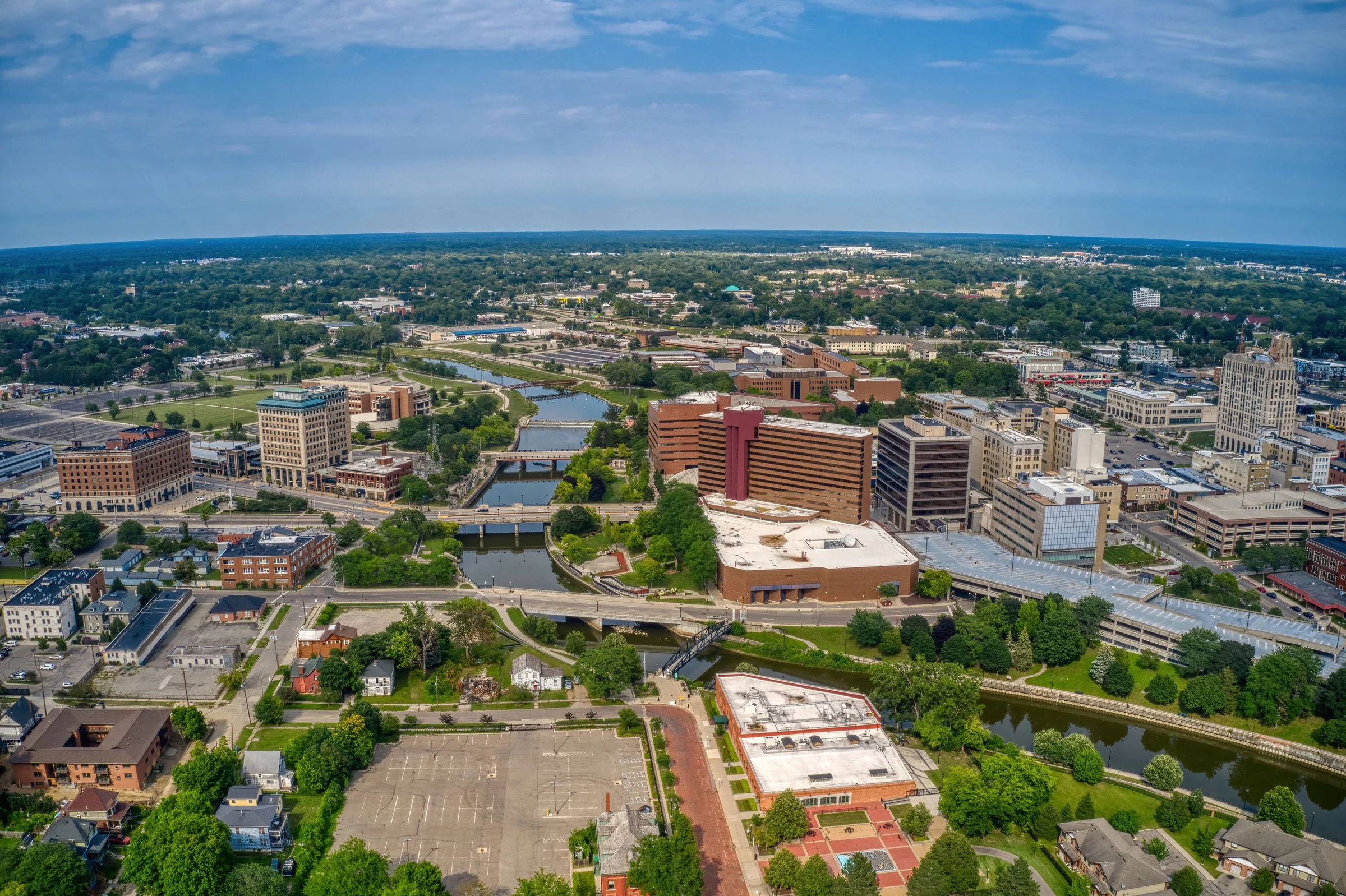

EPDM Commercial Roofing in Flint, MI
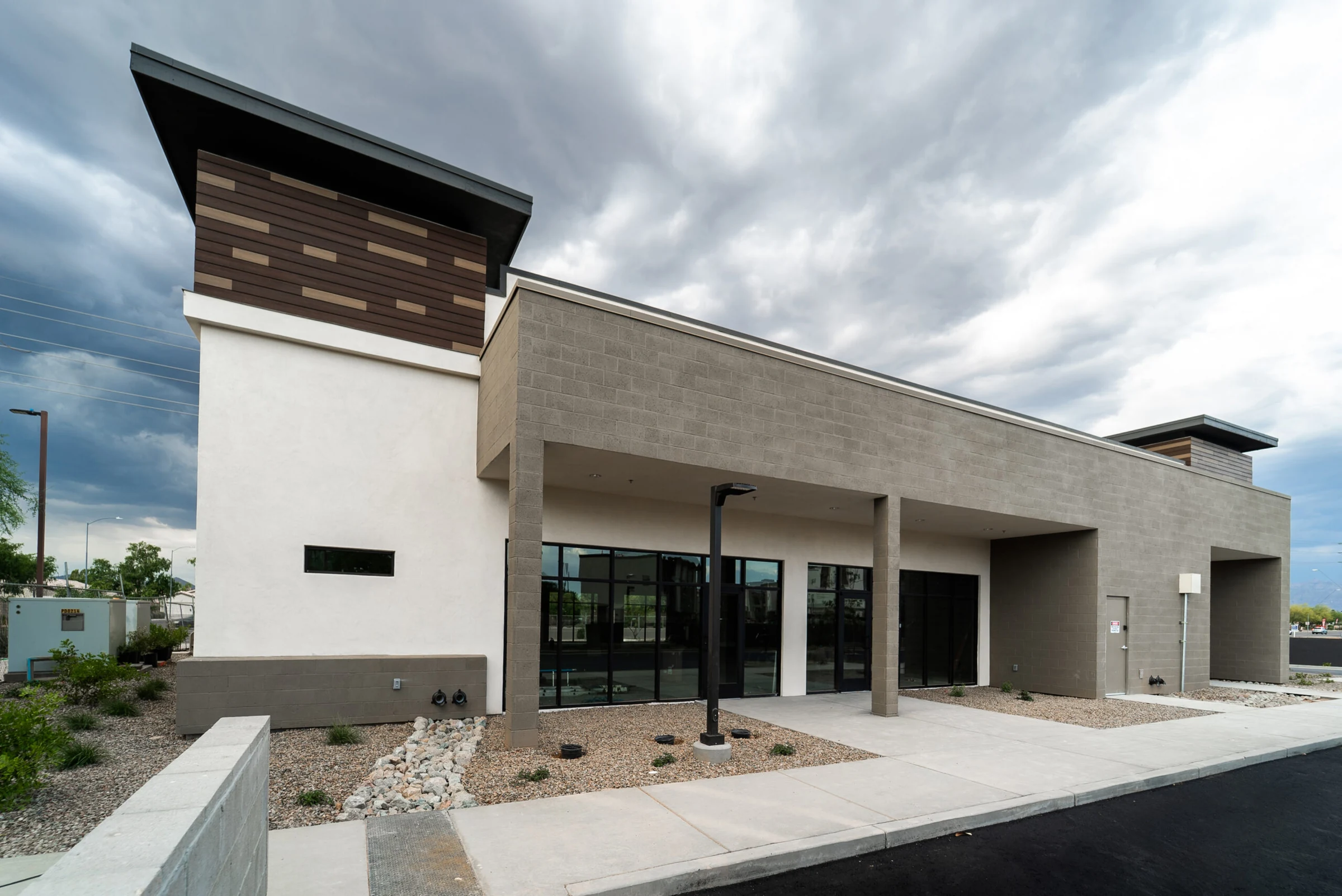
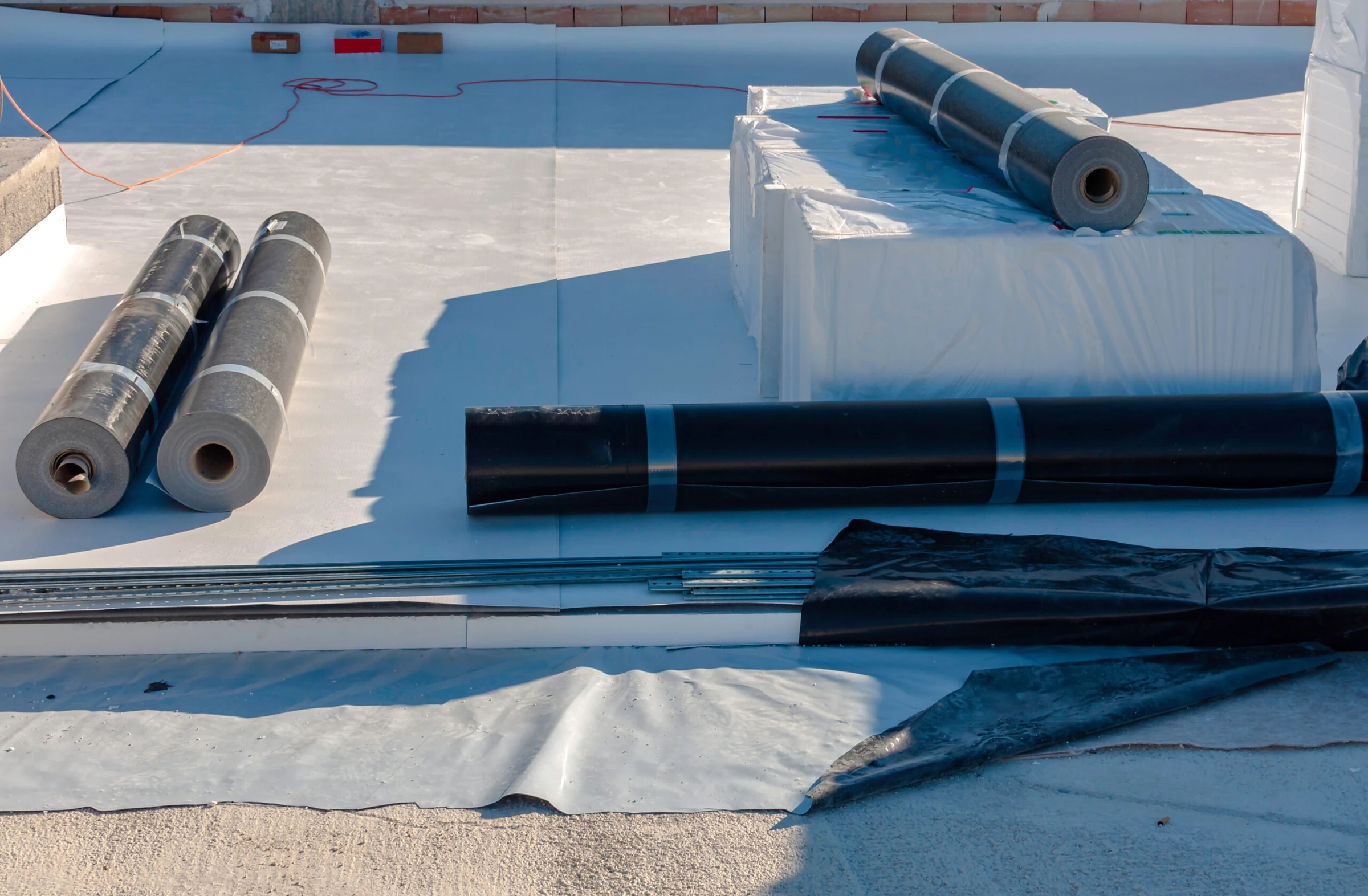
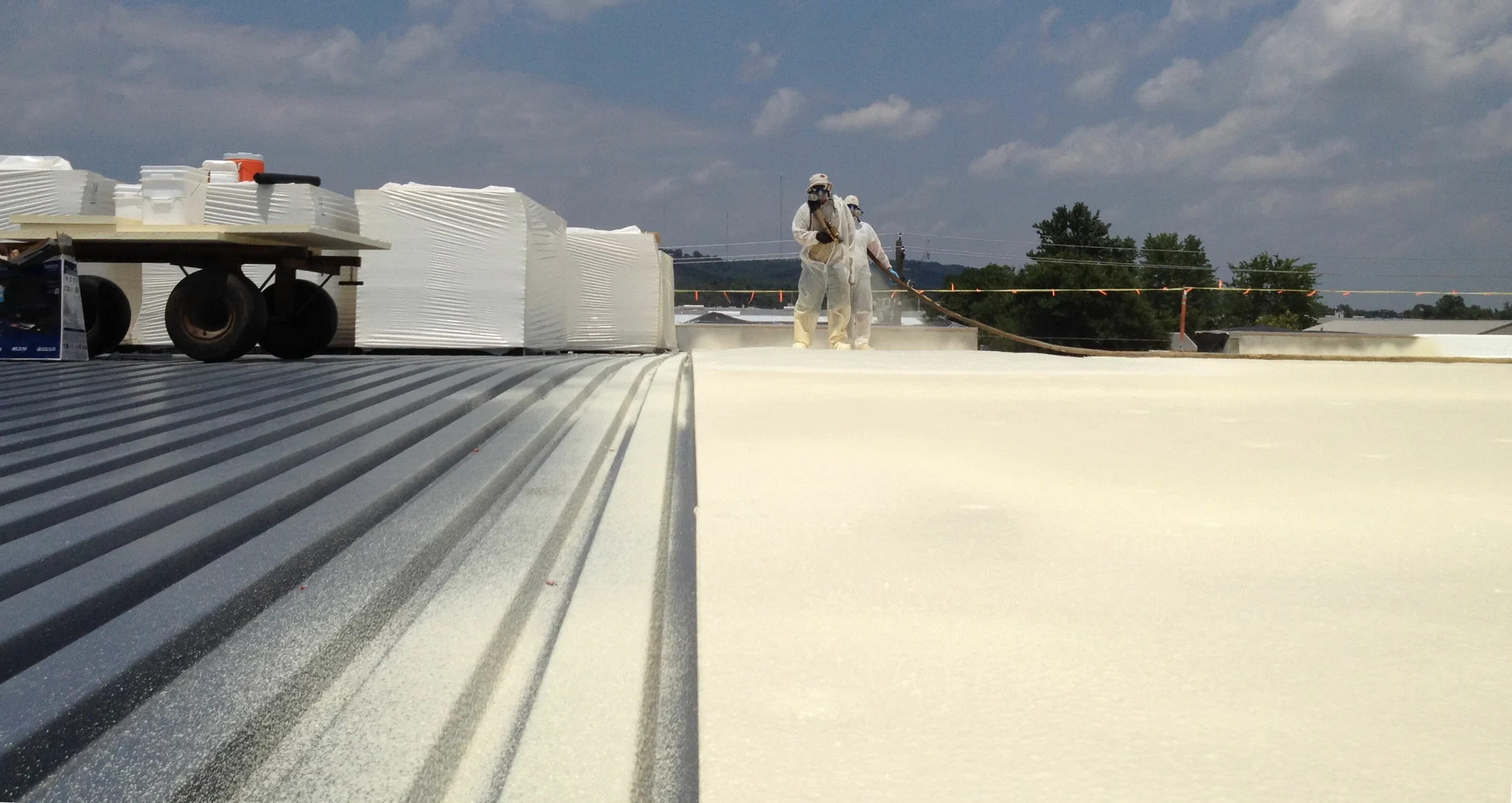
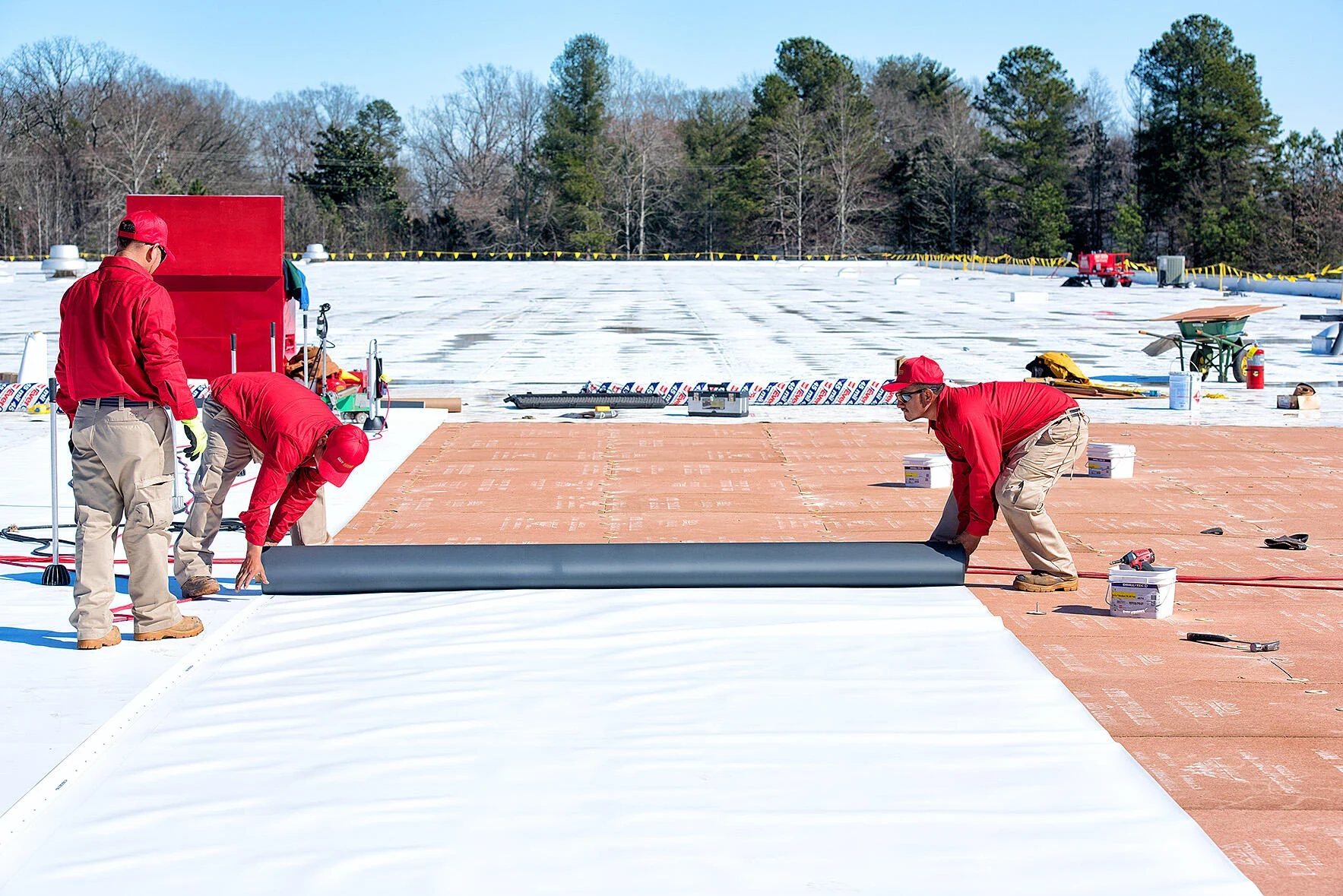
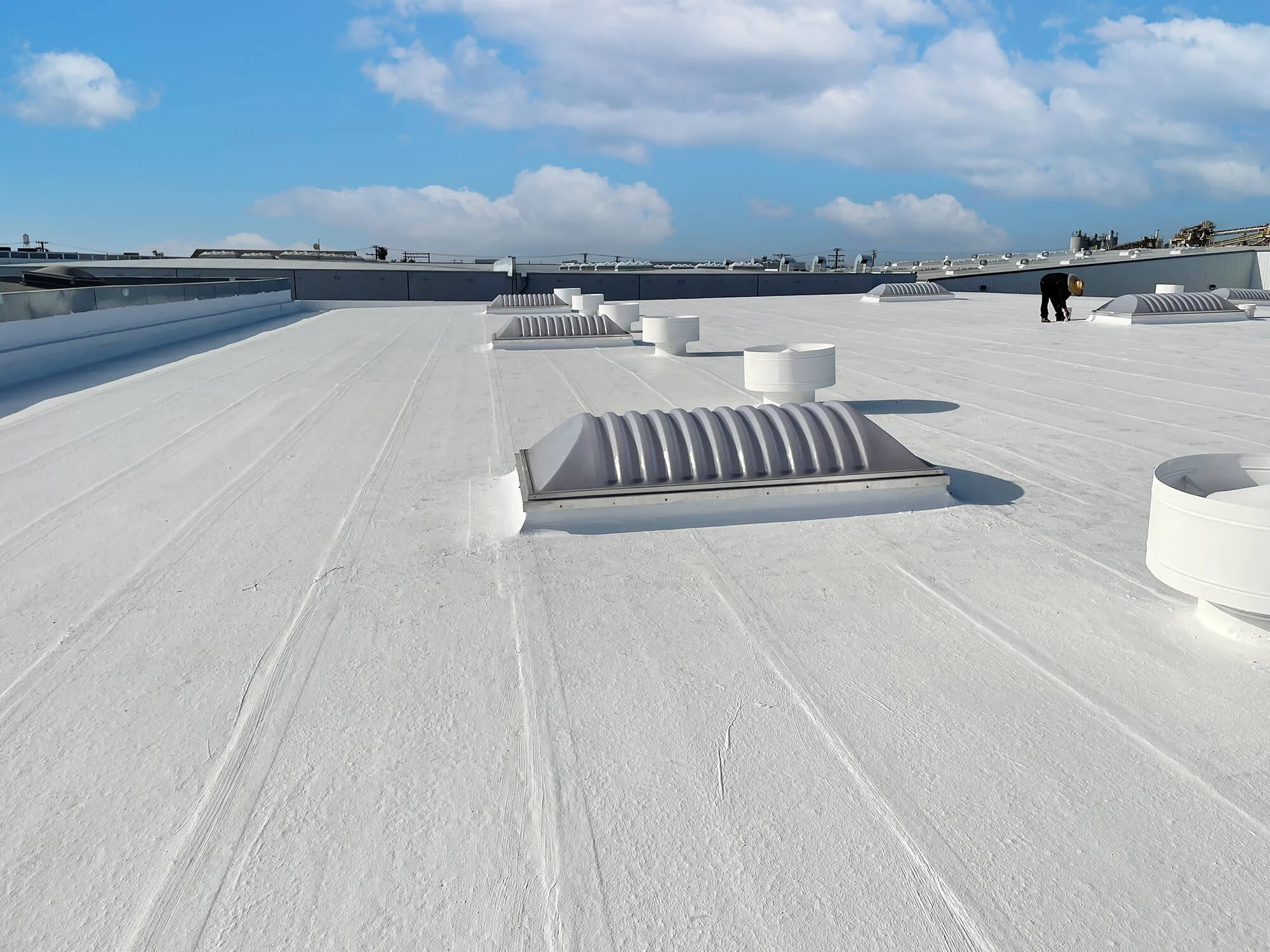
EPDM Rubber Roofing for Flint's Older Retail and Office Buildings
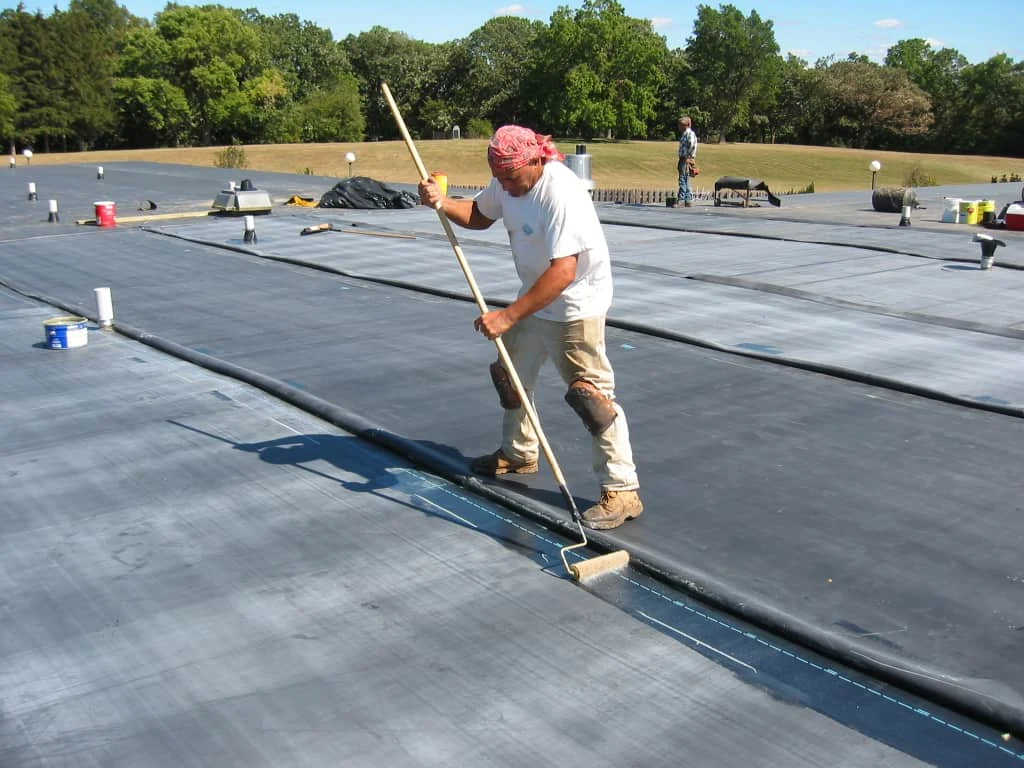
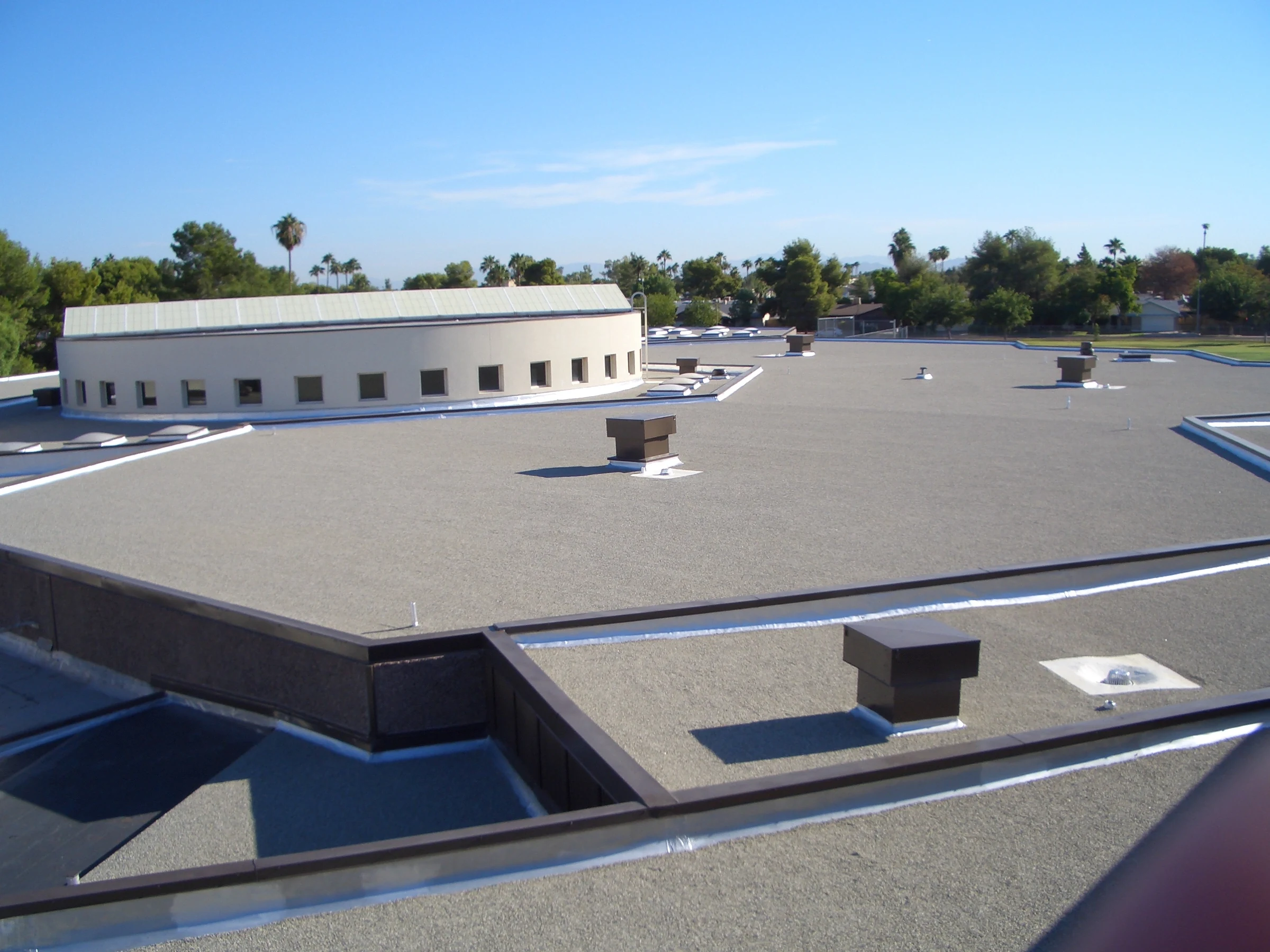
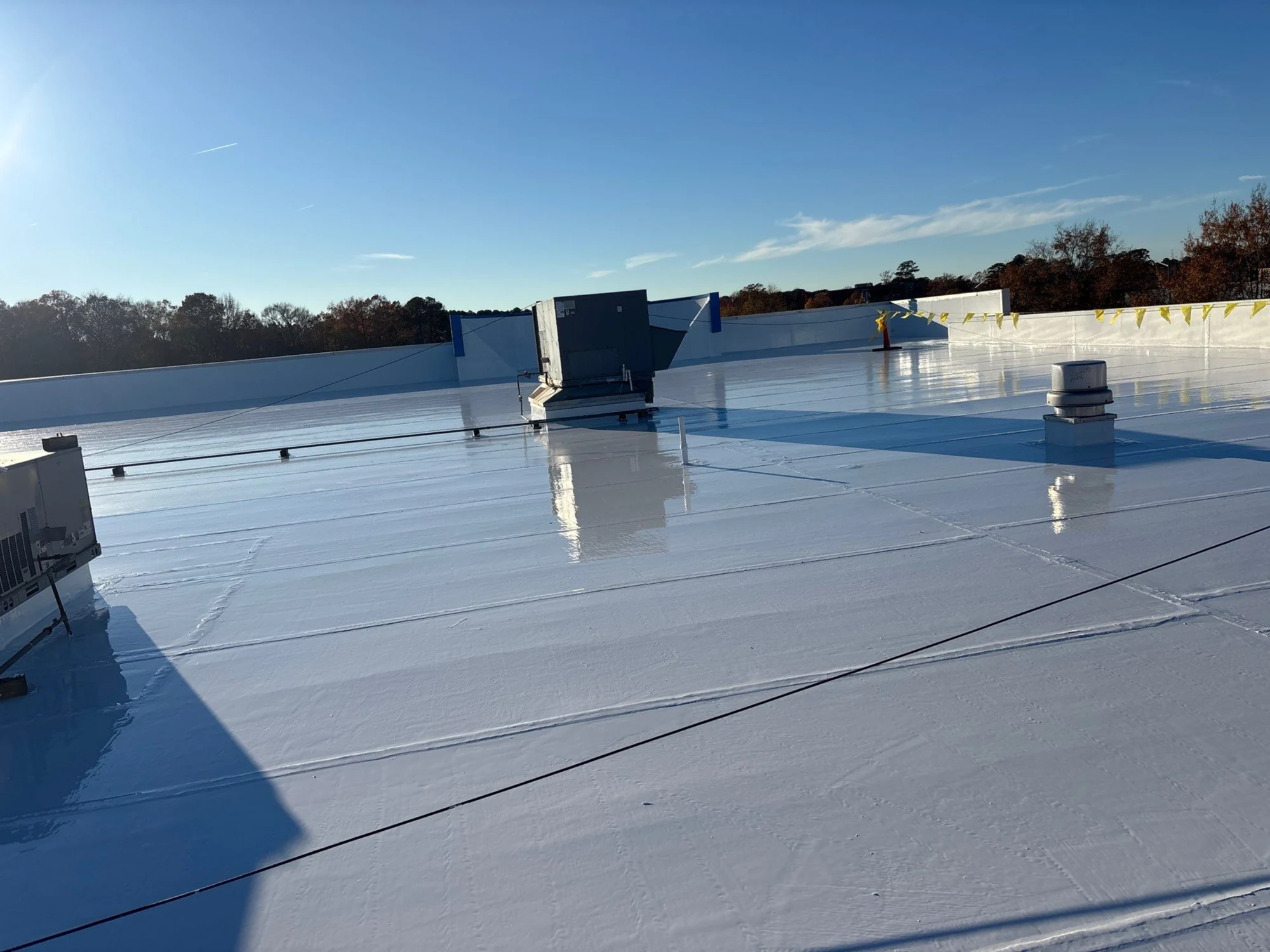
EPDM has been on Genesee County roofs long enough that we regularly work on membranes installed twenty-plus years ago, still functioning, patched here and there, on retail strips along Dort Highway and Miller Road and on smaller office buildings scattered through Burton and Flint Township. It remains one of the most cost-effective single-ply options for owners who need a durable field membrane without the premium of PVC or the labor intensity of built-up roofing.
Why EPDM Fits an Older, Restoration-First Market
A lot of commercial roofing work in this area is repair and restoration rather than ground-up new construction, and EPDM's field-repairable nature matches that reality well. A punctured membrane, a failed seam, or flashing pulled loose by wind can usually be cut out and patched without disturbing the rest of the roof, which keeps small problems small instead of forcing a premature full replacement. On buildings where the ownership group is watching capital spend closely — older strip retail, small office buildings, buildings between tenants — that repairability matters more than any other single factor.
Black EPDM also absorbs more solar heat than a white membrane, which speeds daytime snowmelt in winter. That's a mixed blessing here: faster melt during the day followed by refreeze overnight is part of what drives ice buildup at parapets and drains, so we design drainage paths and flashing details around that cycle rather than assuming the dark membrane is simply an advantage.
Seams Are Where EPDM Fails First
Most EPDM problems we find aren't in the field membrane, which holds up well for decades — they're at seams, where adhesive-bonded laps degrade with age and with repeated freeze-thaw movement. A seam that's been through twenty Michigan winters has absorbed a lot of expansion and contraction, and older adhesive systems weren't always as forgiving of that movement as the tape-based seam technology used today. We check lap seams first on any inspection, looking for lifted edges, cracked seam tape, and adhesive that's gone brittle.
Flashing at penetrations — drains, pipe boots, HVAC curbs added after original install — is the second common failure point. On buildings that have changed tenants or use over the years, it's common to find flashing details that were patched by whoever was up there last, sometimes with materials that don't match the original EPDM system. We reseal those with compatible materials rather than layering incompatible patches that fail again within a season or two.
Perimeter Edge Metal and Membrane Shrinkage
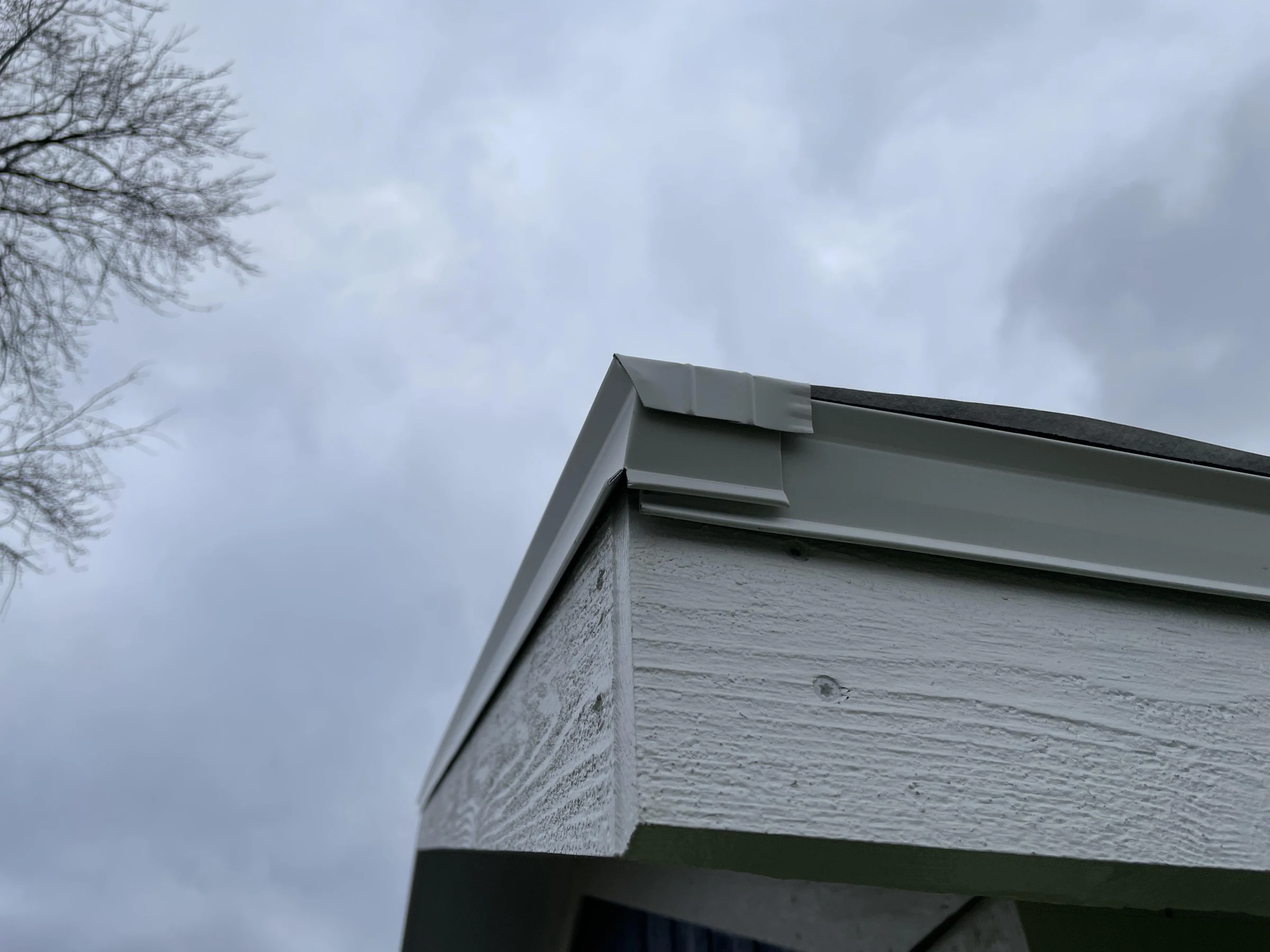
EPDM shrinks slightly over its service life as the rubber loses plasticizers, and on older roofs that shrinkage can pull the membrane away from perimeter edge metal enough to open a gap at the termination bar. That's a slower-developing problem than a seam or flashing failure, which means it's easy to miss on a quick walk-through inspection, but it's a real leak risk at the roof's most vulnerable edge. We check termination bar tightness and membrane tension at the perimeter on every EPDM inspection alongside the field seams, because a shrunk membrane pulling loose at the edge can undo an otherwise sound roof.
What We Look For on an EPDM Inspection
- Lap seam condition and adhesive integrity along the full seam run
- Flashing at drains, scuppers, and roof penetrations
- Membrane shrinkage pulling away from perimeter edge metal
- Ponding water areas that stress seams over repeated freeze cycles
- Patch history and whether prior repairs used compatible materials
- Ballast displacement on ballasted EPDM systems after wind events
Repair, Reseam, or Replace
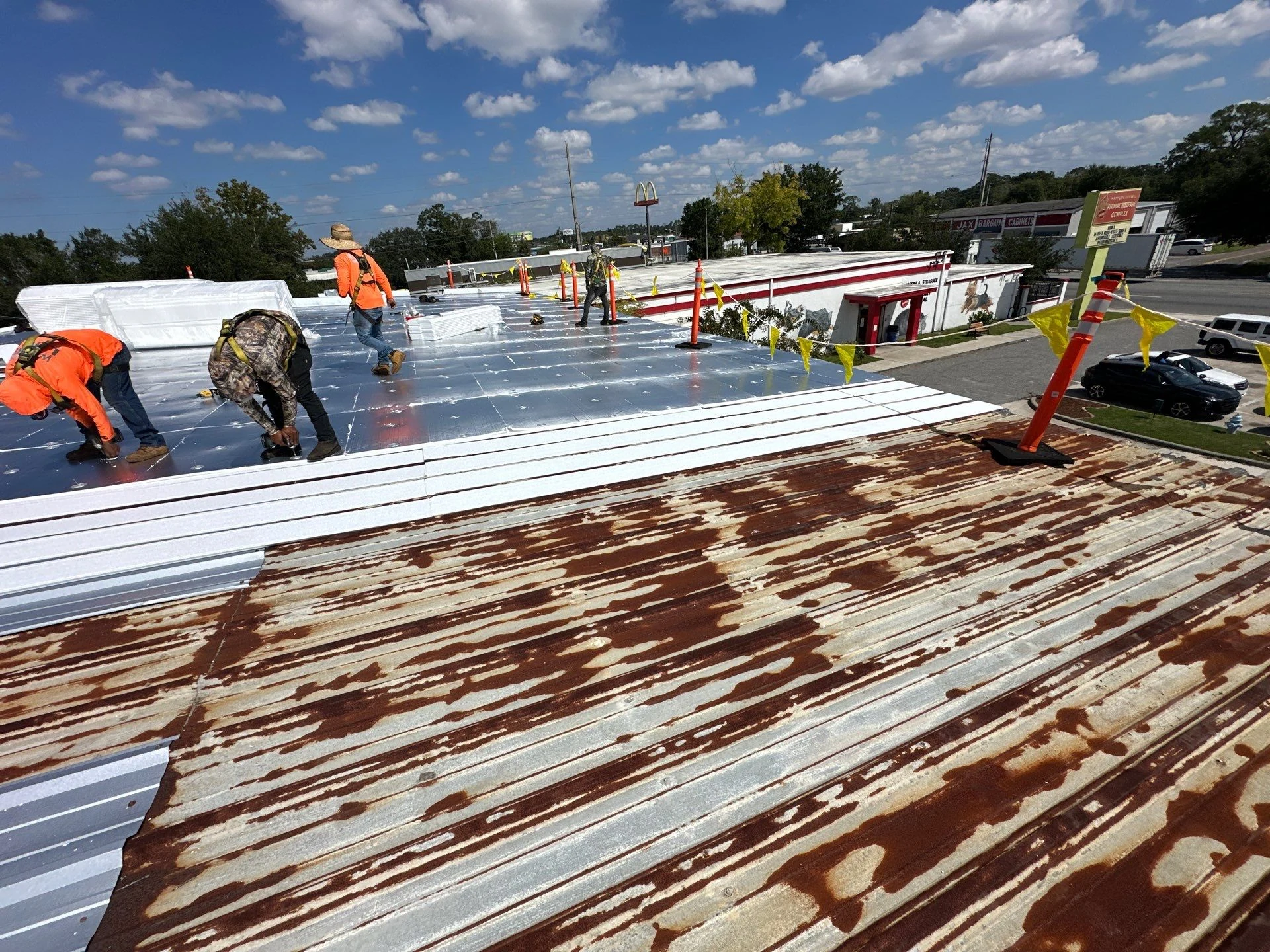
The call on an aging EPDM roof usually comes down to how much of the failure is isolated to seams versus spread through the field membrane. A roof with sound field rubber and a handful of failing seams is a strong candidate for a full reseam — going over every lap with new seam tape and primer — which extends service life at a fraction of replacement cost. A membrane that's shrunk significantly, cracked in the field, or been patched so many times the original layout is hard to trace usually needs a tear-off. We walk owners through that assessment with photos of what we actually found rather than a blanket recommendation, and for buildings where a full replacement isn't in the current budget, a coating option can sometimes buy additional years.
Common EPDM Questions in Flint
How long does EPDM actually last in this climate?
Field membrane commonly runs 20 to 25 years or more when the seams are maintained. Seam failures, not membrane wear, are what usually end an EPDM roof's service life here, which is why regular seam inspection extends the useful life significantly.
Can a failing seam be fixed without replacing the whole roof?
In most cases yes. Isolated seam failures get cut, cleaned, and reseamed with new tape. Widespread seam failure across the roof is usually more cost-effective to address as a full reseam pass rather than chasing individual failures as they appear.
Does ballasted EPDM hold up to Michigan wind?
Ballast systems generally perform well, but wind events can displace stone at the perimeter and corners where uplift pressure concentrates. We check ballast distribution after any significant wind event and redistribute or add ballast where it's thinned out.
Is black EPDM a problem for ice buildup?
It's a factor we account for, not a reason to avoid the system. Faster daytime melt followed by overnight refreeze is part of why we pay close attention to drain and parapet flashing detail on black EPDM roofs specifically.
What's the difference between fully adhered and mechanically attached EPDM?
Fully adhered systems bond the membrane directly to the substrate and tend to perform better in high-wind conditions with fewer seams overall. Mechanically attached systems use fasteners and plates, which install faster but concentrate stress at fastener rows — a detail worth understanding before choosing between them on a replacement.
Related
Ready to review the roof scope?
Let’s Talk About Your Commercial Roof
Share the building, roof history, known leaks or damage, access constraints, and schedule. We’ll start with the roof condition and the facility below it.