
Industrial Flex Space Roofing in Flint, MI


Roofing for Flint's Multi-Tenant Flex and Light Industrial Buildings
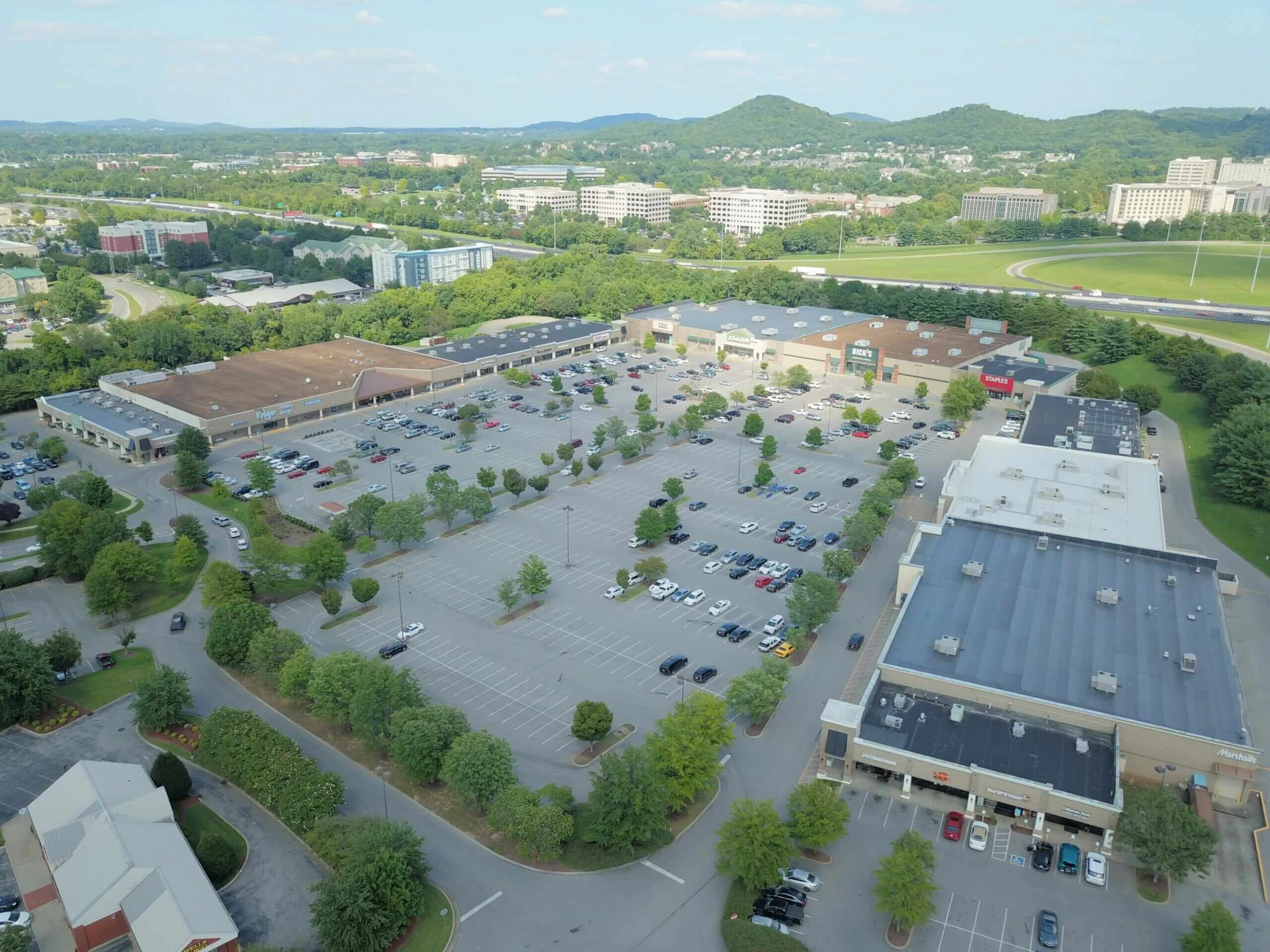
Flex buildings along Dort Highway, Bristol Road, and the industrial parks around Flint Township and Burton present a specific roofing problem: one continuous membrane covering multiple tenant spaces, each with its own equipment, its own maintenance habits, and often its own idea of who's responsible when something leaks. We work with property managers and owners to treat these roofs as the single system they actually are, even when the building below is divided into six or eight separate units.
One Roof, Many Tenants, Different Priorities
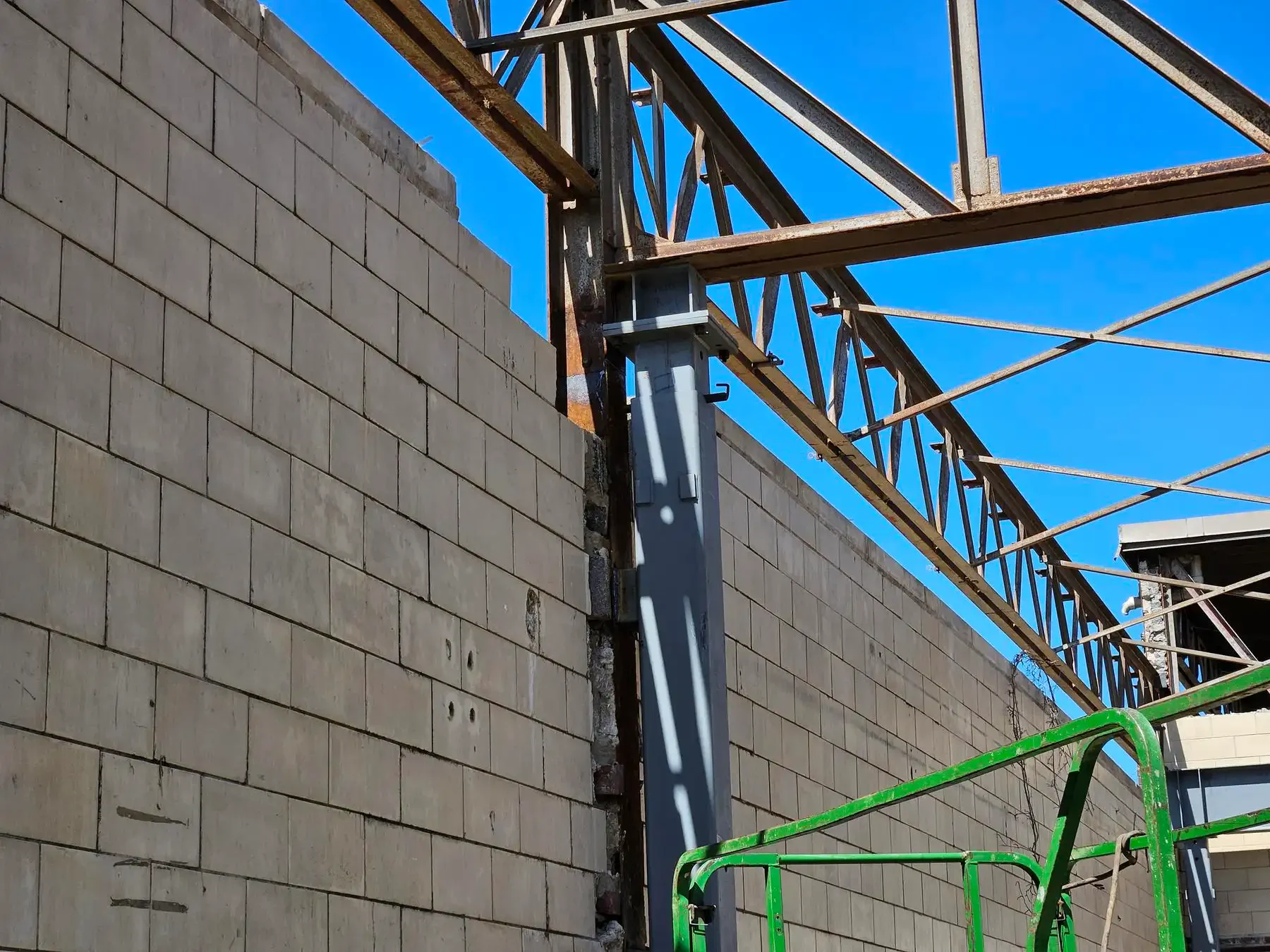
A flex building might have a showroom-and-office tenant on one end and a machine shop or distribution operation on the other, all sharing a single roof membrane. Each tenant's rooftop needs are different, and each one has typically added equipment or made repairs over the years without much coordination with the others. That patchwork history is usually visible the moment we get on the roof: different vintages of pitch pans, mismatched patch materials, and penetrations that were clearly done by whoever happened to be doing HVAC work for that particular unit at the time.
Turnover on these buildings tends to run higher than on single-tenant industrial properties, and each new lease often comes with its own build-out that touches the roof in some way, whether that's a new exhaust fan for a different use or a satellite dish mount added without much thought to the membrane underneath. We keep a running record of what we find building by building so an owner isn't starting from zero at every inspection.
Rooftop Equipment That Accumulates Unit by Unit
Because flex spaces get leased and re-leased to different tenants over a building's life, rooftop equipment tends to accumulate rather than get planned as a whole. New RTUs get added when a unit changes tenants, old curbs get abandoned rather than removed, and exhaust or venting for one unit's specific use — a paint booth, a kitchen, a light manufacturing process — gets added without much thought to how it interacts with the roof system as a whole. We map all of that during an inspection so an owner sees the full picture rather than unit-by-unit fragments.
Parapet walls dividing one unit's roof section from another sometimes complicate drainage in ways that aren't obvious from the ground, since water shed by one unit's roof section can end up ponding against a division wall rather than reaching a drain designed for the whole roof. We map those drainage boundaries as part of any flex-building inspection.
What Changes on a Flex Roof, Unit by Unit
- RTU count and age, which often varies significantly between units on the same roof
- Abandoned equipment curbs left in place from previous tenants
- Specialty exhaust or venting added for a specific tenant's operation
- Patch and repair quality, which reflects whoever a given tenant hired at the time
- Foot traffic patterns near units with more active rooftop equipment servicing
Whose Responsibility Is It — Landlord vs. Tenant Maintenance
Lease language on flex buildings often splits maintenance responsibility between landlord and tenant in ways that don't map cleanly onto how a roof membrane actually works. A tenant might be responsible for their own RTU maintenance while the landlord owns the membrane itself, but a bad RTU curb seal can damage membrane the landlord is on the hook for. We document findings in a way that separates equipment-level issues from membrane-level issues, which we've found helps owners and property managers sort out responsibility before a dispute over a repair bill turns into something bigger.
Lease renewal and turnover periods are often the best time to address roof issues tied to a specific unit, since an incoming tenant's build-out gives an opportunity to remove abandoned equipment or correct a poorly flashed penetration as part of the same project rather than as a separate roofing call later.
Keeping One Tenant's Repair From Becoming Everyone's Leak
Because the membrane is continuous, a bad repair or a deferred issue in one unit's section of roof can eventually show up as a leak in a completely different tenant's space. We flag that risk specifically when we find isolated damage during an inspection, since a small, cheap fix now on one unit's section often prevents a much larger claim involving multiple tenants later. Coordinating access across several active tenant spaces is its own scheduling challenge, and we work directly with property management to sequence that access without disrupting business operations across the building.
We've also found it useful to help owners set aside a standing roof reserve tied to the building's age and history rather than budgeting roof repairs unit by unit as complaints come in, since that reactive approach tends to cost more over time than planned maintenance across the whole membrane.
Property Managers Ask Us About Flex Buildings
Can you inspect the whole roof even if only one tenant reported a leak?
Yes, and we recommend it. A leak reported in one unit is sometimes originating from a different section of roof entirely, especially on buildings with continuous membrane across several tenant spaces.
How do you handle equipment left by a previous tenant?
We identify abandoned curbs and penetrations during inspection and recommend proper removal or capping, since orphaned equipment openings are a common source of leaks that get missed.
Can you document findings in a way that clarifies landlord vs. tenant responsibility?
Yes. We separate membrane-level findings from equipment-level findings in our reports specifically so that distinction is clear for lease enforcement purposes.
Do you coordinate access across multiple active tenants?
Regularly. We work with property management to schedule roof access that doesn't interrupt any individual tenant's operations more than necessary.
What's the most common issue you find on flex building roofs?
Abandoned or poorly flashed penetrations from equipment changes over multiple tenant turnovers, more often than membrane failure itself.
Related
Ready to review the roof scope?
Let’s Talk About Your Commercial Roof
Share the building, roof history, known leaks or damage, access constraints, and schedule. We’ll start with the roof condition and the facility below it.