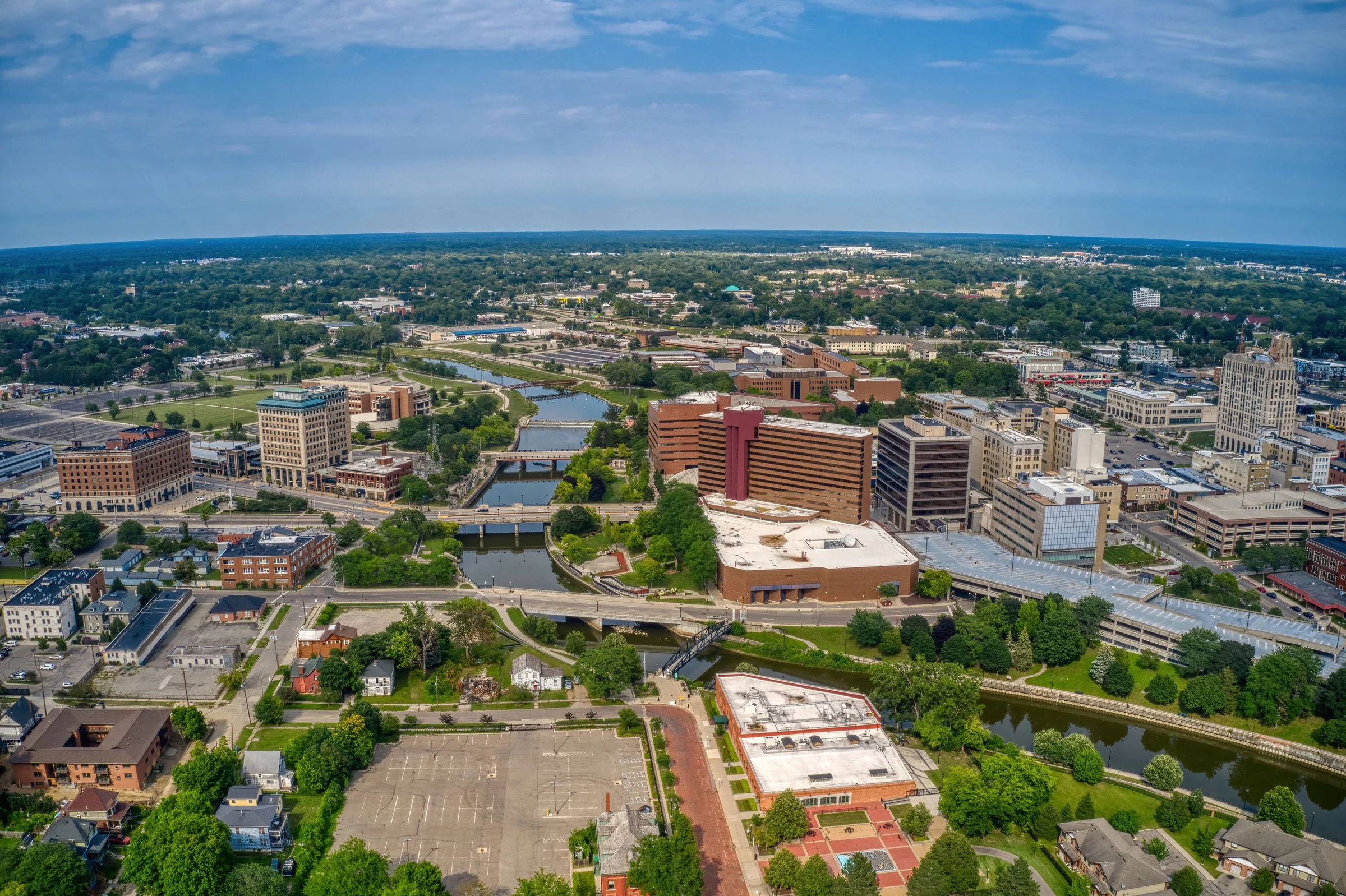

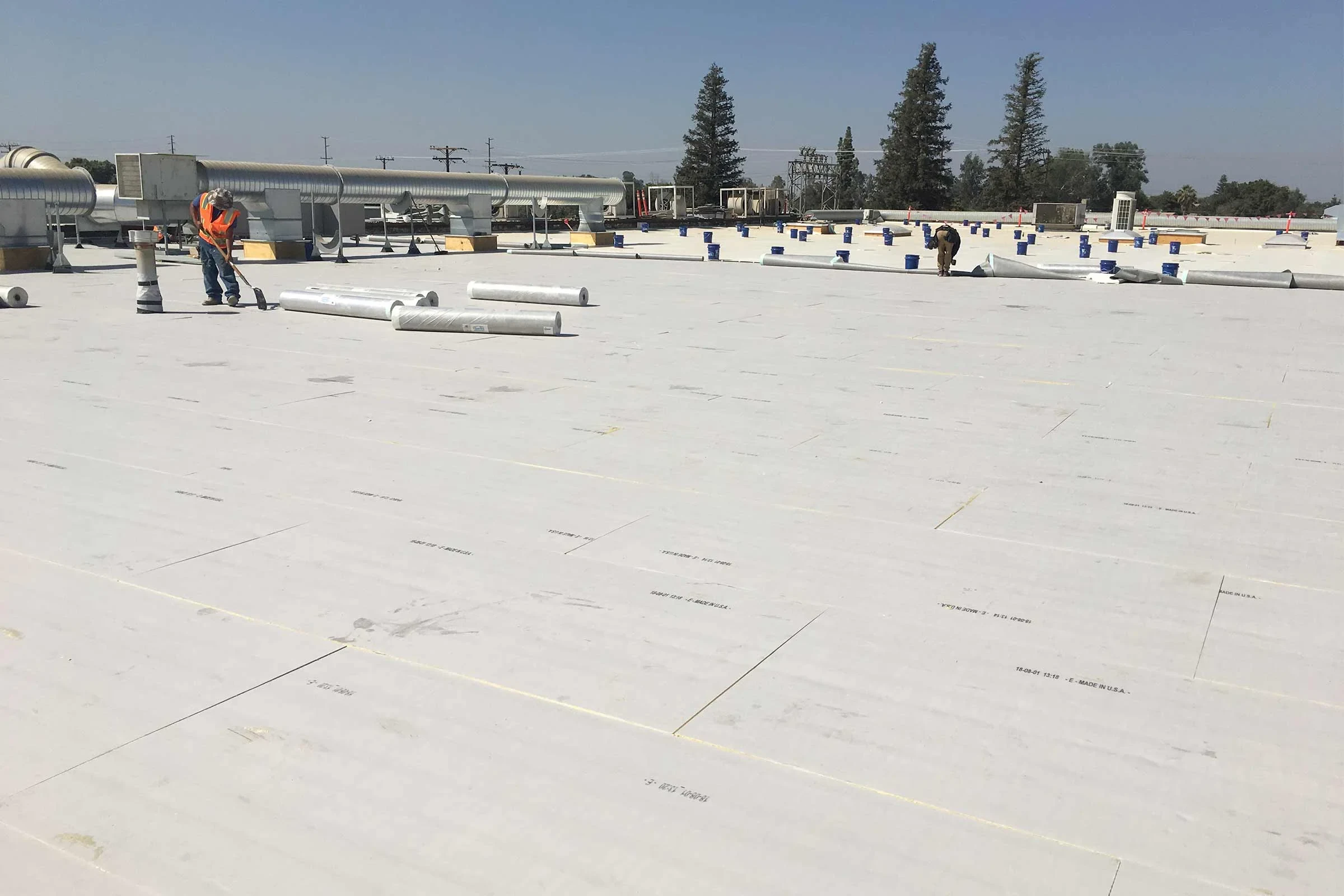
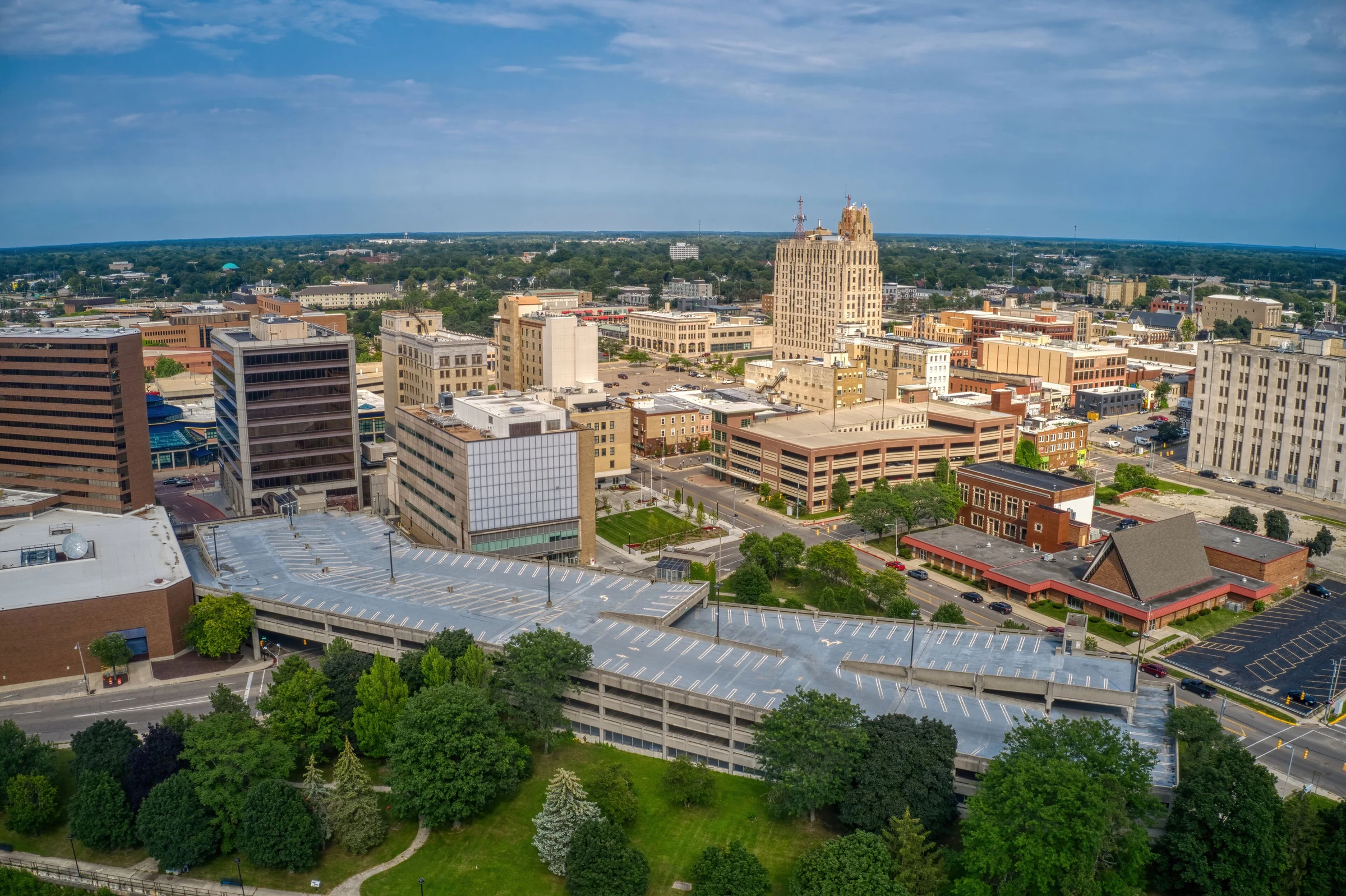
Carlisle SynTec Roofing Systems in Flint, MI
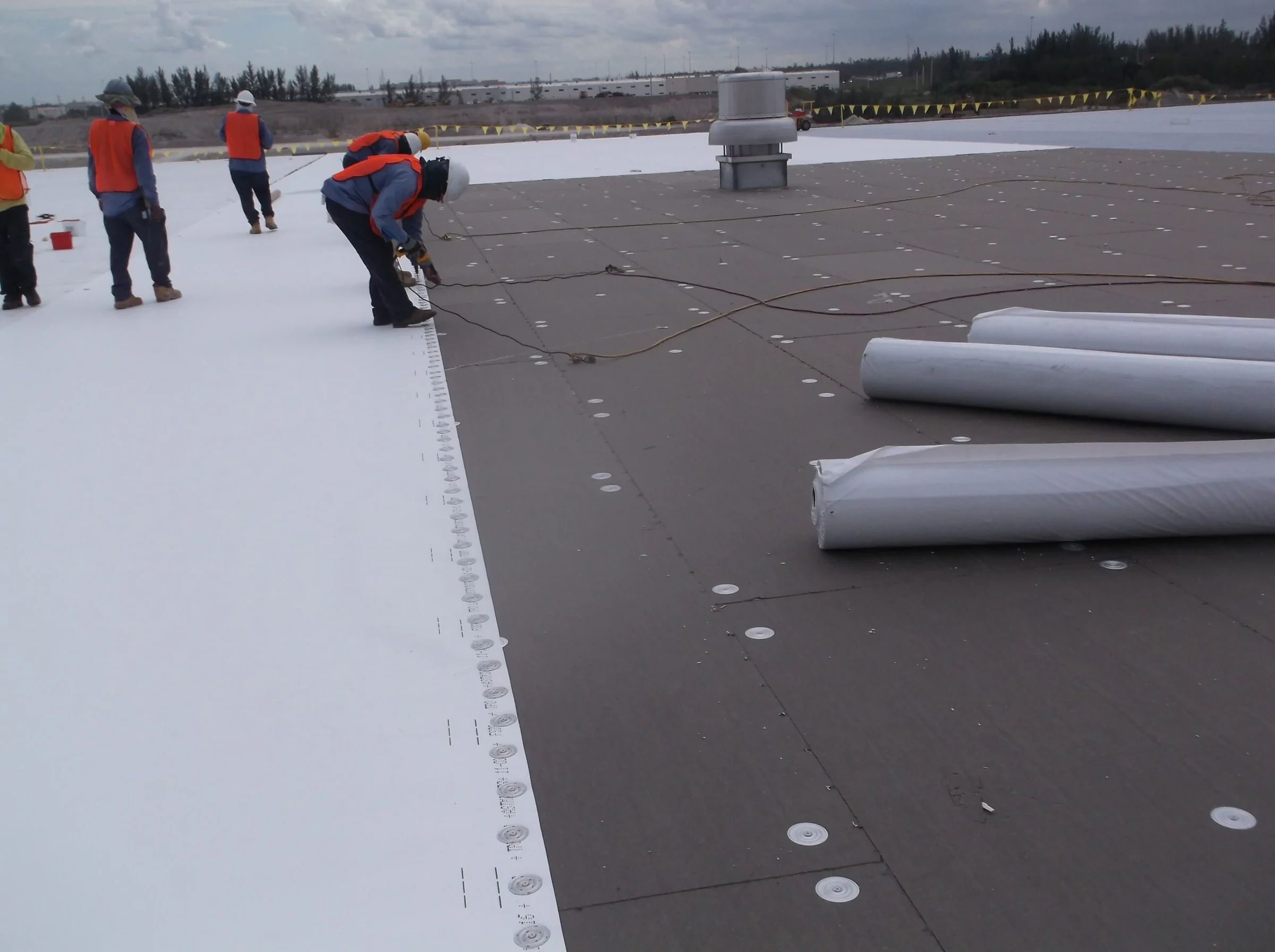
Carlisle SynTec: A Broad Enough Product Line to Match Older Building Quirks
Carlisle SynTec makes EPDM, TPO, and PVC membrane in multiple thicknesses and attachment styles, along with the insulation, cover board, and fastening components that go into a complete low-slope assembly. We spec from their line when the building's deck, drainage, or attachment requirements point toward a specific product in their range.
Where Carlisle's EPDM Line Fits
Carlisle is one of the longer-established names in EPDM manufacturing, offering black and white rubber membrane in multiple thicknesses along with fully adhered, mechanically attached, and ballasted attachment options. On Flint's older commercial roofs, several of which we've inspected still carrying original or early-generation EPDM decades old, that depth of attachment options gives us more ways to match a recover assembly to a deck that wasn't designed with modern attachment methods in mind.
That matters most on buildings converted from manufacturing use to office or retail space, where the original deck and structure predate the current tenant by decades and a recover assembly has to work with what's actually there rather than what a newer building would offer.
TPO and PVC Product Range
Carlisle's TPO line spans standard and fleece-backed membrane in the common gauge range, and their PVC offering covers similar ground for buildings where chemical resistance is the driving requirement. Fleece-backed membrane in particular gets specified on roofs where the substrate has some irregularity, since the fleece backing adds a layer of cushioning and puncture resistance over an imperfect deck.
We see the fleece-backed option come up most on recover jobs over older built-up roofs around Flint's smaller commercial buildings, where the existing surface has enough texture and old patch history that a standard sheet would telegraph every ridge and seam through to the new membrane's surface over time.
Insulation and Cover Board Components
Beyond membrane, Carlisle manufactures polyiso insulation and cover board products designed to work as a matched assembly with their membrane lines. Using components engineered to work together, rather than mixing membrane from one manufacturer with insulation from another, is one of the factors that keeps an assembly's warranty terms straightforward at closeout.
On a hail-exposed roof, we also look at Carlisle's higher-density cover board options rather than defaulting to standard polyiso across the whole field, since Michigan's spring storm season can put real impact stress on a roof that a softer cover board wouldn't spread evenly.
Attachment Options for Irregular Decks
A lot of Flint's plant-era buildings have decks that have been modified more than once, patched steel deck sections, filled-in skylights, added structural support under old crane rails repurposed for HVAC. Carlisle's range of fully adhered, mechanically fastened, and ballasted systems gives us more paths to match an assembly to whatever that deck actually looks like today, rather than forcing one attachment method onto a substrate it wasn't designed for.
Ballasted systems in particular come up on some of the older industrial roofs where the structure can carry the added dead load and the owner wants an attachment method that doesn't add fastener penetrations to an already-modified deck.
- Membrane thickness and attachment method match to deck type
- Insulation R-value against the building's target assembly
- Cover board density relative to hail and impact exposure
- Fastening pattern engineered to the wind-uplift requirement
- Fleece-backed option where substrate irregularity is a concern
- Detail drawing match at every flashing and termination
Detail Drawings and Assembly Documentation
Like every major manufacturer, Carlisle publishes detail drawings covering standard flashing and termination conditions, and those drawings are what we build to on any project specifying their products. Matching the installed detail to the published drawing is what a manufacturer's field inspection checks before a warranty issues, regardless of which product line the roof uses.
We keep the assembly documentation, membrane type, thickness, insulation, and attachment method, as part of every project file, since that record is what an owner or an adjuster would need if a warranty question or a storm damage claim ever comes up later.
How We Decide Between Manufacturer Product Lines
No single manufacturer is the automatic right answer for every Flint building. We compare Carlisle's product range against what a project actually needs, deck condition, attachment requirements, chemical exposure, budget, and current material lead times, the same way we'd evaluate any other manufacturer's line, and we tell owners plainly when a different manufacturer's product is the better technical fit for their specific roof.
That comparison happens before we write a proposal rather than after, since a quote based on the wrong manufacturer's product line for a given deck or budget usually gets revised once the real conditions are on the table.
Questions About Carlisle SynTec Products
Do you only install Carlisle products?
No. We work with several major manufacturers and recommend based on what a specific roof needs, deck condition, attachment requirements, budget, and lead times, not a fixed preference for one product line.
What's the advantage of fleece-backed TPO on an older building?
The fleece backing adds cushioning and puncture resistance over a substrate that isn't perfectly smooth, which is common on Flint's older recover candidates where the deck has decades of prior repairs underneath it.
Does using one manufacturer's full assembly matter for the warranty?
Generally yes. Membrane, insulation, and cover board engineered to work together as a matched system tends to keep warranty terms and closeout inspection more straightforward than mixing components across manufacturers.
How do I know which Carlisle membrane thickness my building needs?
It depends on rooftop traffic, equipment load, and how long you plan to hold the building. We walk the roof and make a specific recommendation rather than defaulting to one thickness across every job.
What documentation do I get after a Carlisle system is installed?
A full assembly record: membrane type and thickness, insulation and cover board specs, attachment method, and the manufacturer's field inspection sign-off, kept as part of your project file.
Related
Ready to review the roof scope?
Let’s Talk About Your Commercial Roof
Share the building, roof history, known leaks or damage, access constraints, and schedule. We’ll start with the roof condition and the facility below it.