
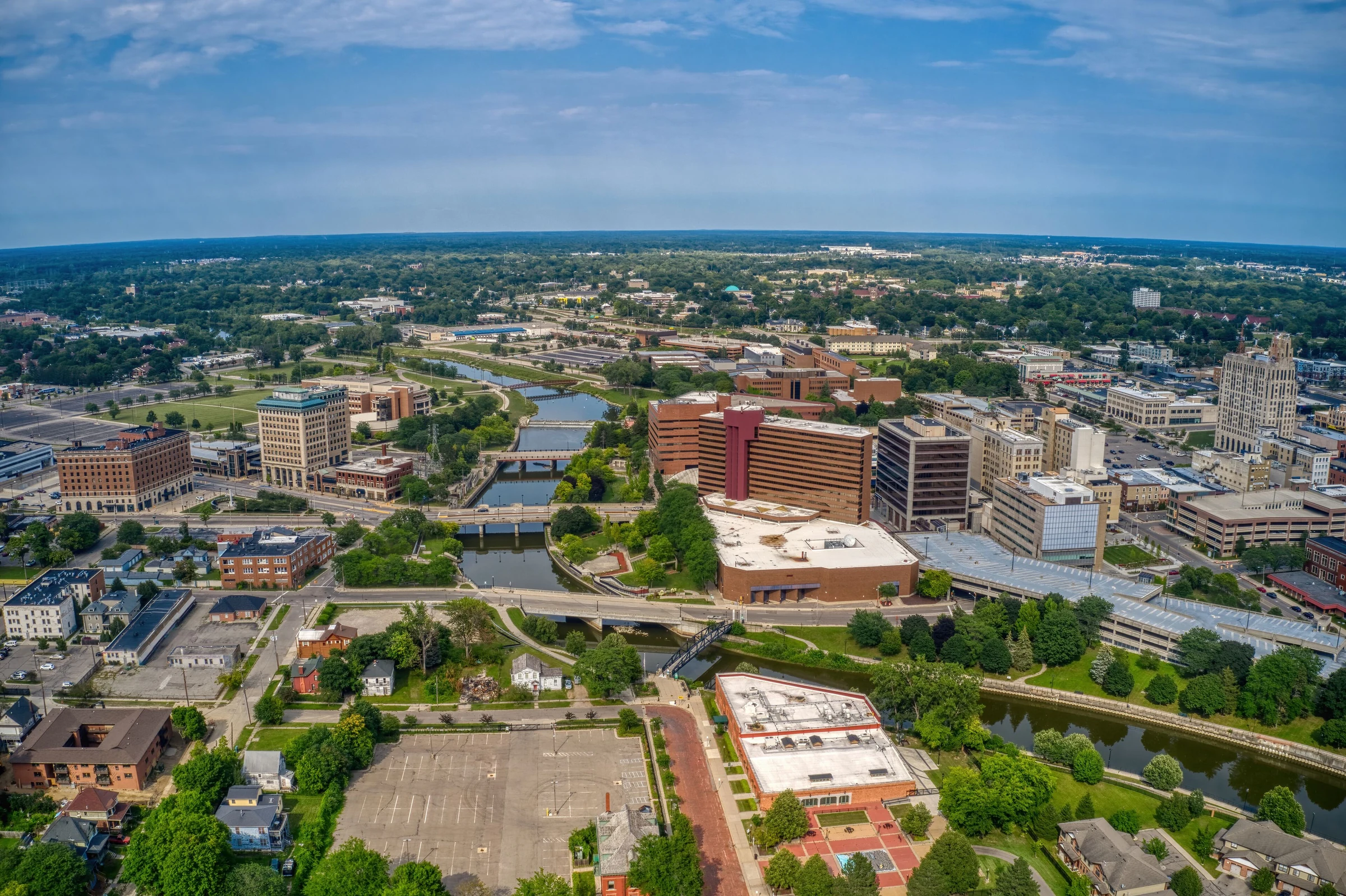
Commercial Roofing Contractors Otisville, MI
Commercial Roofers in Otisville
A practical commercial roofing plan for Otisville properties separates urgent leak control from repair, coating, maintenance, and replacement decisions supported by photos and condition findings. Otisville is a small rural village in northeast Genesee County, and its commercial building stock is honestly modest: a village hall, a school, a church or two, a farm supply or hardware building, and a handful of small retail storefronts along the main road. We size the job to the building, not the other way around.
The Village's Small Commercial Core
Otisville does not have a large commercial district, and most of the buildings we see here are single-story structures with flat or low-slope roofs, a hardware or farm supply store, a gas station or convenience building, a diner or two. These are typically older built-up or modified-bitumen roofs, sometimes with a metal-roofed addition tacked on at some point.
Because there are so few commercial buildings in Otisville, most owners know their roof's history well, even without formal records, and that local knowledge is often more useful during a roof walk than a paper trail would be.
A number of these buildings also double as the only option in town for their category, the one hardware store, the one gas station, so a roof failure that forces a temporary closure has an outsized effect on the people who rely on it. We factor that into how quickly we move on an active leak here.
Village and School Buildings
The village hall and the local school carry two of the larger roof areas in Otisville, and both tend to be public buildings with budget cycles and approval processes that private storefront owners do not have to deal with. We build scope reports for these buildings with that process in mind, clear photos, a defined repair-versus-replace recommendation, and a cost range tied to specific conditions.
School roofs in particular mix gym or auditorium steep-slope sections with flatter classroom-wing roofing, and those transition points are usually where the active leaks are, not in the middle of an open field membrane.
Both buildings also tend to be the largest structures for miles in any direction, which means their roof condition report often becomes the reference point local officials use when they talk about capital needs for the village as a whole.
Farm Supply and Rural Service Buildings
Otisville's farm supply and rural service buildings tend to be metal-frame structures with standing seam or R-panel roofing over wide, open spans. These roofs take heavier snow load than a typical small storefront because of their size, and fastener backout from thermal cycling on long panel runs is one of the more common repair calls we get from this part of town.
These buildings also see equipment and vehicle traffic on the ground that can kick up dust and debris onto lower roof sections, which accelerates coating wear over time compared with a roof set farther back from working areas.
Realistic Roof Priorities for a Village This Size
With so few commercial buildings in Otisville, we focus the roof walk on what actually matters for a village-scale building:
- Confirming the roof's real age and layer history from the owner and from core cuts
- Checking drainage on flat sections that were never designed for much roof area
- Flashing condition at every transition, especially on additions
- Snow load risk on wide-span metal buildings
- A repair plan sized to what a small business or public budget can absorb
- Documentation the owner can use for insurance or budget approval
A village this size does not need a corporate-scale roof program. It needs a straight answer about what is wrong and what it will take to fix it.
Weather and a Rural Setting
Otisville sits farther from Flint's urban heat and windbreak than the townships closer to the city, which means more exposed wind loading on roof edges and slightly harder freeze-thaw cycling through the winter months. A roof that would hold up fine in a sheltered downtown block can wear faster out here simply from more direct wind and weather exposure.
We factor that exposure into how we talk about roof life expectancy with Otisville owners, since a system rated for a certain service life in general conditions may not hit that number in a more exposed rural setting.
Tree cover near some of these buildings adds a second factor: shifting shade patterns and dropped debris can trap moisture on a roof section long after the rest of the field has dried out.
What Otisville Building Owners Ask Us
Is it worth getting a professional assessment for such a small building?
Yes. A small roof still has real failure points, and a short visit can catch a problem while it is still a repair instead of a full replacement.
How do public buildings like the village hall handle roof budgeting?
We provide a written scope and cost range tied to specific conditions so the request can move through whatever approval process the village uses.
Do rural buildings wear roofs faster than in-town buildings?
Often somewhat, yes, mainly from more direct wind exposure with less windbreak from surrounding buildings and trees.
What roof systems work best for a farm supply building here?
Standing seam or R-panel metal roofing handles the wide spans and snow load well, and it holds up to the dust and debris that ground-level equipment traffic can kick up.
Can a storefront with an unknown roof history still get an accurate assessment?
Yes. Core cuts and a visual inspection tell us what we need to know even without paper records, and owner knowledge of past leaks usually fills in the rest.
Related
Ready to review the roof scope?
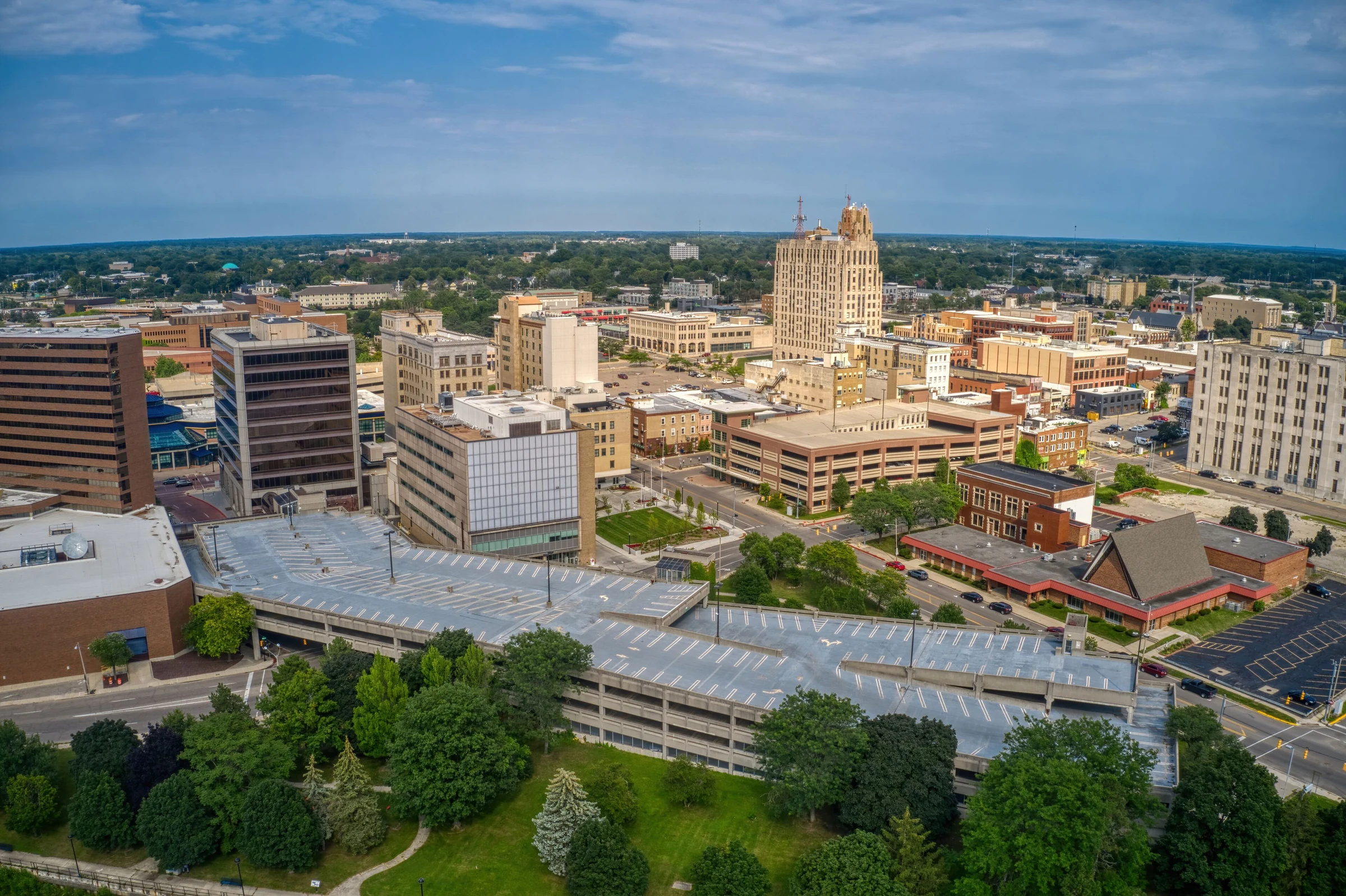
Let’s Talk About Your Commercial Roof
Share the building, roof history, known leaks or damage, access constraints, and schedule. We’ll start with the roof condition and the facility below it.